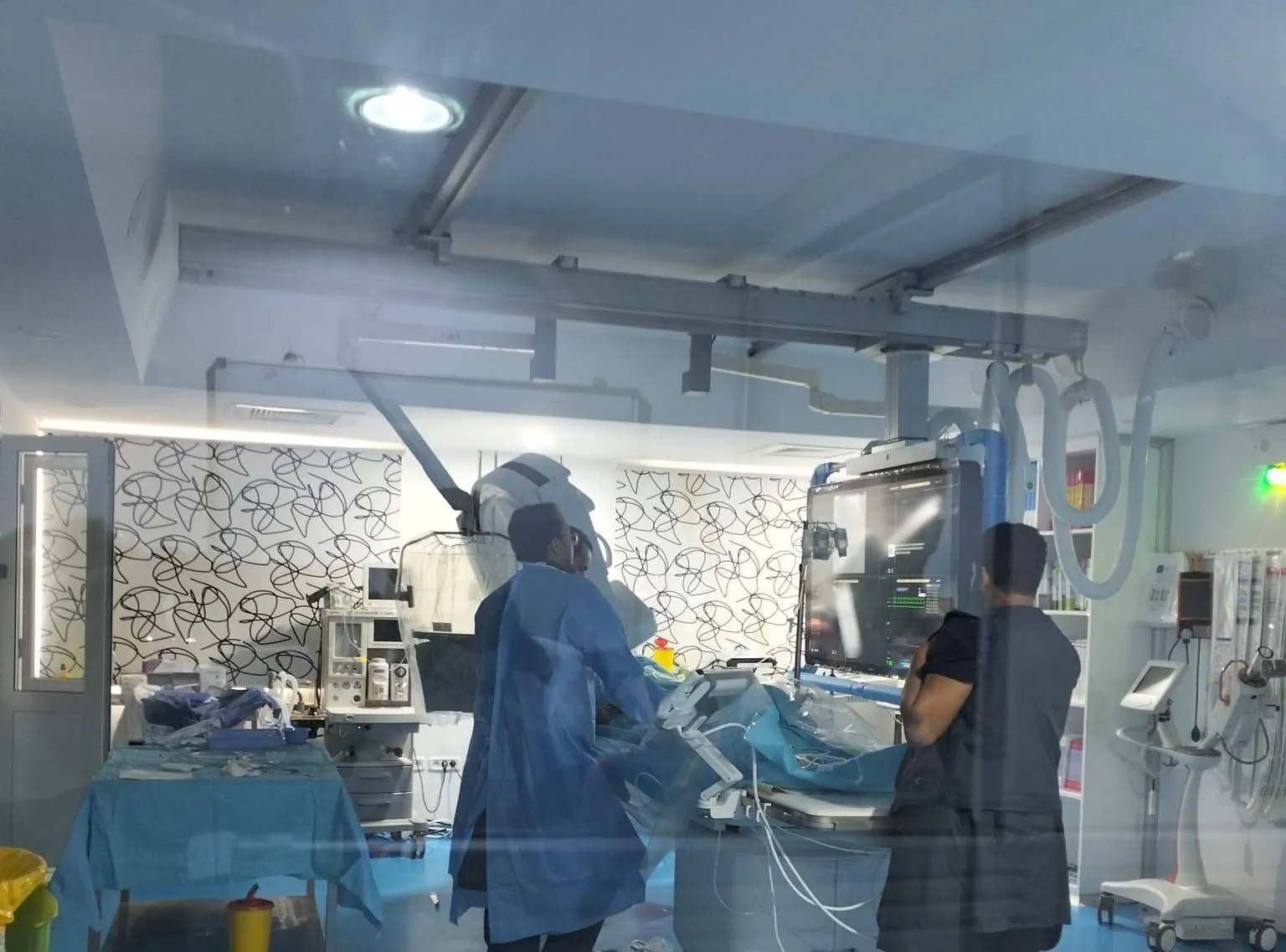
Tunisia's Minister of Health, Mustafa Al-Ferjani, announced a new project to develop hospital infrastructure across the country. The initiative involves building catheterization rooms and installing magnetic resonance imaging (MRI) machines in all governorates. The project is being implemented in partnership with and financed by the World Bank. This development aims to enhance healthcare services in Tunisia.
The Minister of Health emphasized that Tunisia is striving to improve its digital hospital services to provide better healthcare. The project is part of a broader effort to upgrade existing healthcare facilities and complete stalled projects. Al-Ferjani cited the King Salman Hospital as an example of a facility making progress. The hospital's development is expected to significantly improve healthcare outcomes in the country.
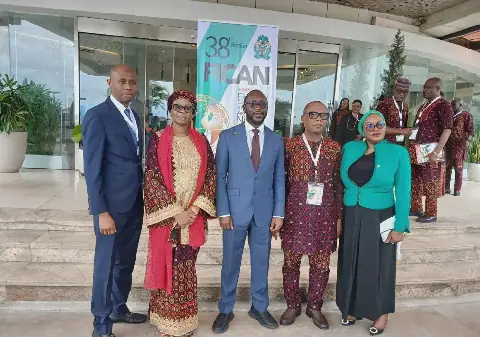
The announcement was made on the sidelines of the "TeleHealth Connect Tunisia 2026" international conference. The event, which took place on September 30, brought together experts and representatives from around 35 countries and international organizations. The conference focused on digital health solutions and their applications in improving healthcare services.
The Tunisian Health Ministry is also launching the "October Pink" national campaign. The initiative, which began on September 30, aims to promote early detection of breast cancer. The campaign includes awareness-raising activities and screenings on Habib Bourguiba Street in the capital city.
The project to develop hospital infrastructure is part of Tunisia's efforts to strengthen its healthcare system. The World Bank's financing will support the construction of catheterization rooms and the installation of MRI machines. This equipment will enable healthcare professionals to diagnose and treat patients more effectively.
The "TeleHealth Connect Tunisia 2026" conference highlighted the importance of digital health in improving healthcare outcomes. The event provided a platform for experts to share knowledge and best practices in telemedicine and digital health. The conference also showcased innovative solutions in healthcare technology.
The Tunisian government is committed to improving healthcare services and infrastructure. The Ministry of Health's efforts to develop hospital infrastructure and promote digital health solutions are expected to have a positive impact on healthcare outcomes in the country. The projects are also likely to enhance the quality of life for Tunisian citizens.
Key points
- The project aims to improve healthcare services in Tunisia by developing hospital infrastructure and promoting digital health solutions.
- The World Bank is financing the project to build catheterization rooms and install MRI machines nationwide.
- The "TeleHealth Connect Tunisia 2026" conference brought together experts and representatives from around 35 countries and international organizations.