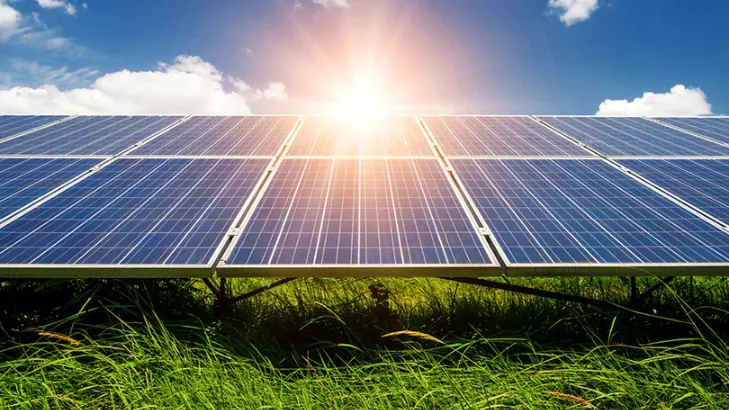
The Tunisian government has announced plans to develop a 120-megawatt solar power station in the Ramada West region of Tataouine. The project, which is expected to cost around €80 million, will be built on a 200-hectare site. The station will be connected to the national electricity grid via a 225 kV high-voltage overhead power line. The project aims to increase Tunisia's renewable energy capacity and reduce its reliance on fossil fuels.
The solar power station is expected to produce approximately 260 GWh of electricity per year, which is equivalent to the annual consumption of around 200,000 people. The project will also help reduce carbon dioxide emissions by around 130,000 tons per year. The station will create a significant number of jobs during the construction phase and around 10-15 permanent jobs once operational.
The project is part of Tunisia's strategy to reduce its energy deficit and improve its energy independence. The government aims to increase the share of renewable energy in the national electricity mix. The project will be implemented in accordance with international standards and best practices in the field of renewable energy.
A study on the environmental and social impact of the project has been conducted, and the findings have been presented to stakeholders. The study considered the potential environmental and social benefits of the project, including its contribution to sustainable development and its impact on local communities.
The project is expected to be completed within 15-18 months, with construction scheduled to start in the second quarter of 2027. The project will be financed by international partners, although the exact details of the financing arrangements have not been disclosed. The government has emphasized its commitment to transparency and accountability in the implementation of the project.
The Wali of Tataouine, Amir Al-Berenji, has emphasized the importance of the project in achieving Tunisia's energy goals. He noted that the project will help reduce the country's energy deficit and improve its energy independence. The project is seen as a key component of Tunisia's strategy to develop its renewable energy sector.
The project is expected to be completed by the end of 2028. Once operational, the solar power station will make a significant contribution to Tunisia's renewable energy capacity. The project will also serve as a model for future renewable energy projects in the country.
Key points
- The project aims to reduce Tunisia's energy deficit and improve its energy independence.
- The solar power station will produce approximately 260 GWh of electricity per year.
- The project will help reduce carbon dioxide emissions by around 130,000 tons per year.