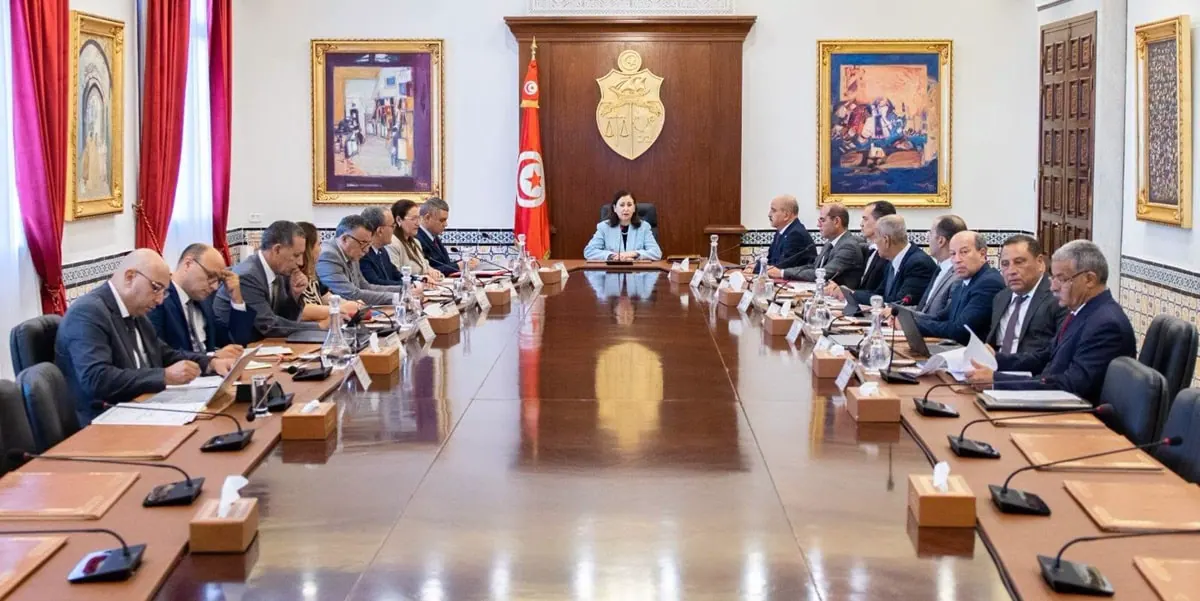
The Tunisian government has unveiled a plan to enhance its electricity production capacity and accelerate renewable energy projects to secure the country's power supply. The plan, presented during a restricted ministerial council on October 9, aims to add 250 MW to the existing power plants and integrate 300 MW of renewable energy by summer 2027. This move is expected to improve the country's energy security, particularly during peak consumption periods.
The plan involves several interventions to upgrade the existing power plant fleet. The installation of air cooling systems at the entrance of turbines is expected to improve the performance of units in service, generating an additional 250 MW of capacity. The state-owned electricity company, STEG, also plans to commission a third gas turbine of 300 MW in Borj El Amri, install gas engines totaling 200 MW, and restore the full capacity of Kchabta and Mateur power plants, estimated at around 190 MW.
Renewable energy will play a significant role in Tunisia's energy mix, with the plan aiming to connect around 300 MW of renewable energy projects before summer 2027. An additional 40 MW will be added through the fifth cycle of the authorization regime. Notable projects include the extension of the Sidi Daoud wind farm with 30 MW of additional capacity, a 50 MW photovoltaic power plant in Béni M'hira with 20 MWh of storage, and a 200 MW solar power plant in Tataouine with 100 MWh of storage.
A central battery storage system with a power of 300 MW and a capacity of 600 MWh is also part of the program. This system will help manage the balance between production and consumption more effectively. The plan also aims to reduce electricity demand by 300 MW during peak periods and improve the load shedding system. The modernization of the grid and the deployment of smart meters are among the announced orientations.
The plan is aligned with Tunisia's national objective of increasing the share of renewable energy in electricity production to 35% by 2030. The government has called for the acceleration of project implementation and monitoring on the ground. Prime Minister Sarra Zaâfrani Zenzri presided over the meeting, emphasizing the importance of meeting the targets.
The announced capacities are ambitious, but their effective contribution will depend on the implementation schedule and their connection to the grid. The plan combines improvements to existing installations and new equipment, aiming to meet the country's increasing demand, particularly during peak periods.
Tunisia's renewable energy sector has been growing steadily, with over 150,000 solar installations and 420 MW connected to the low-voltage grid. The new plan is expected to further boost the sector, creating opportunities for investors and contributing to the country's energy security.
Key points
- Tunisia aims to increase the share of renewable energy in electricity production to 35% by 2030.
- The plan includes the installation of 300 MW of renewable energy and the improvement of existing power plants.
- A central battery storage system with a power of 300 MW and a capacity of 600 MWh will be implemented to manage the balance between production and consumption.