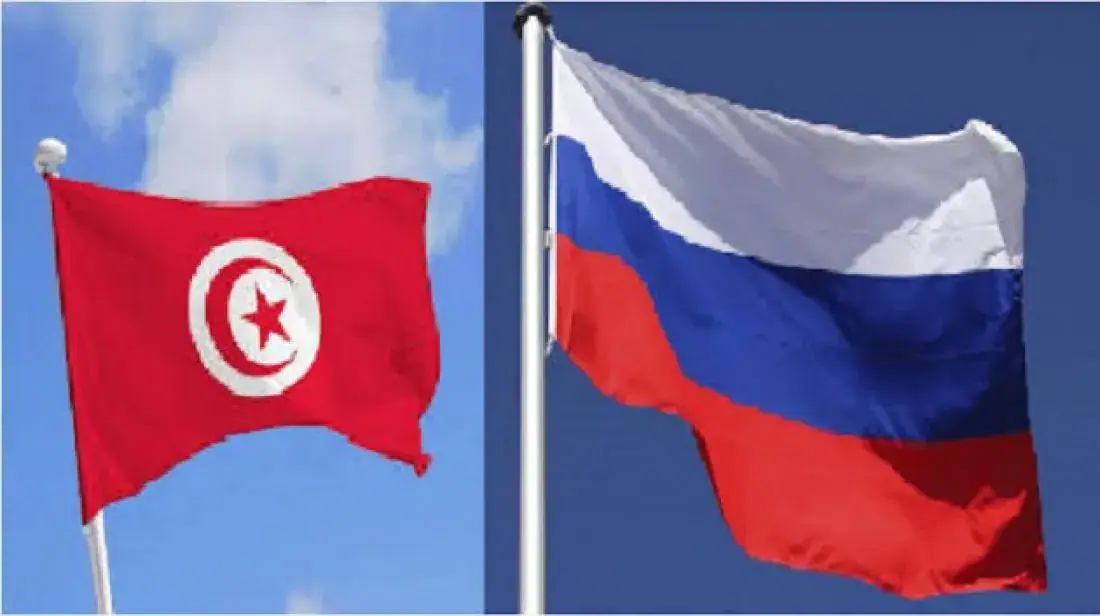
Tunisia is working to enhance its economic presence in the Russian market by exploring unexploited export opportunities worth approximately $27 million. The country aims to capitalize on these opportunities, particularly in the olive oil sector, which has an unexploited export potential of around $5 million. Other sectors, such as footwear and medical components and equipment, also offer export opportunities worth around $1.7 million.
The trade exchanges between Tunisia and Russia have recorded a 14% growth during the first nine months of 2026, reaching approximately 32.5 million dinars. The food industry currently accounts for around 70% of Tunisia's exports to Russia, with olive oil, dates, and tomato paste being among the top exports. To convert these opportunities into actual export contracts, Tunisian authorities are intensifying their promotional efforts.
Tunisia is participating in the third Russia-Africa Summit in Moscow, which is taking place on October 28-29, 2026. The summit aims to promote economic cooperation between Russia and African countries. Tunisia's participation in the summit includes a joint Tunisian pavilion and business meetings between Tunisian and Russian companies.
In the tourism sector, Tunisia is working to regain its Russian market share, which is considered a strategic market for the country. The Tunisian tourism product is diverse, including cultural heritage, local cuisine, desert tourism, and eco-tourism. The Russian tourist tends to stay for long periods, exceeding 10 nights on average, and prefers three- and four-star hotels.
After reaching a record 600,000 Russian tourists in 2019, the number of Russian tourists visiting Tunisia declined following the Russian-Ukrainian crisis. However, the sector has shown a gradual recovery in recent times. In 2025, Tunisia received 35,000 Russian tourists, thanks to direct flights operated by Nouvelair.
The number of Russian tourists visiting Tunisia has increased to 51,000 as of October 20, 2026, due to the entry of Pyramidz Airlines into the market and the resumption of direct flights from Belarus and Armenia. The availability of direct flights without stops is a key factor in Russian tourists' choice of destination.
To regain its 600,000 Russian tourists, Tunisia needs to increase its air transport capacity. Proposed measures include allocating seat quotas to tour operators on the national carrier and establishing a regular air link between the Russian market and Tunis Carthage airport.
Key points
- Tunisia aims to boost exports to Russia and regain 600,000 Russian tourists.
- The country's trade exchanges with Russia have recorded a 14% growth during the first nine months of 2026.
- The availability of direct flights without stops is a key factor in Russian tourists' choice of destination.