Tunisia's President Kais Saied recently met with Prime Minister Sara Al-Zafrani Al-Zanzeri and Central Bank Governor Zohair Al-Nouri to discuss the issue of soaring prices. The President stressed the need for a concerted effort to control prices and combat corruption. He also emphasized the importance of rationalizing imports and working tirelessly to address the challenges facing the country's economy. The meeting highlights the government's commitment to addressing the growing concerns of Tunisian citizens.
The government's efforts to control prices involve activating and strengthening mechanisms to regulate the market. One of the key strategies is to freeze or set prices for essential goods and sensitive products, as well as determine profit margins. Additionally, the government aims to intensify joint inspection campaigns to combat monopolistic practices, resist unfair speculation, and smuggling. These measures are designed to stabilize the market and protect the purchasing power of citizens.
To achieve these goals, the government is promoting a collaborative approach between the public and private sectors. This involves regular coordination between the Ministries of Agriculture and Trade to monitor market indicators and intervene as needed. The authorities are also working to develop a more proactive approach to addressing market imbalances, rather than simply reacting to seasonal fluctuations. This includes analyzing data on production, storage, distribution, and consumption to anticipate potential disruptions.
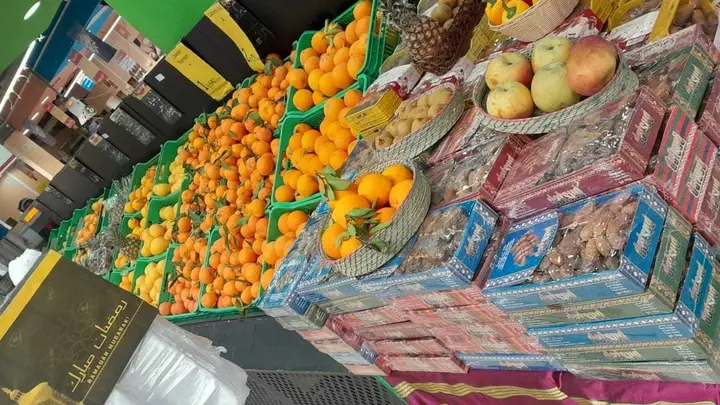
The government's strategy also involves establishing permanent and mobile sales points to sell products directly to consumers at differential prices. This aims to reduce the number of intermediaries and make essential goods more affordable for citizens. Furthermore, the authorities are working to encourage domestic production and promote exports, particularly for high-value-added products. This approach is designed to support the country's industrial fabric and economic dynamism.
The current context is challenging, with global economic changes and geopolitical tensions affecting the prices of certain products. The government's efforts aim to mitigate the impact of these changes and protect the purchasing power of citizens. The authorities are also working to support small and medium-sized enterprises, which are crucial to the country's economic growth. By promoting a more proactive and collaborative approach, the government hopes to achieve a more stable and prosperous economy.
The Ministry of Trade and Export Development is at the forefront of these efforts, working closely with other government agencies and stakeholders to monitor market trends and respond to emerging challenges. The authorities are committed to ensuring transparency in the distribution chain and protecting the interests of consumers and producers alike. By adopting a more proactive and data-driven approach, the government aims to stay ahead of potential disruptions and maintain economic stability.
As Tunisia navigates these complex economic challenges, the government's coordinated efforts aim to promote economic growth, protect the purchasing power of citizens, and ensure a stable supply of essential goods. The authorities are working tirelessly to address the concerns of Tunisian citizens and promote a more prosperous and stable future for the country.
Key points
- The Tunisian government is working to control prices and combat corruption through a coordinated approach involving various ministries and stakeholders.
- The authorities are promoting a collaborative approach between the public and private sectors to address market imbalances and protect the purchasing power of citizens.
- The government's strategy involves establishing permanent and mobile sales points to sell products directly to consumers at differential prices.