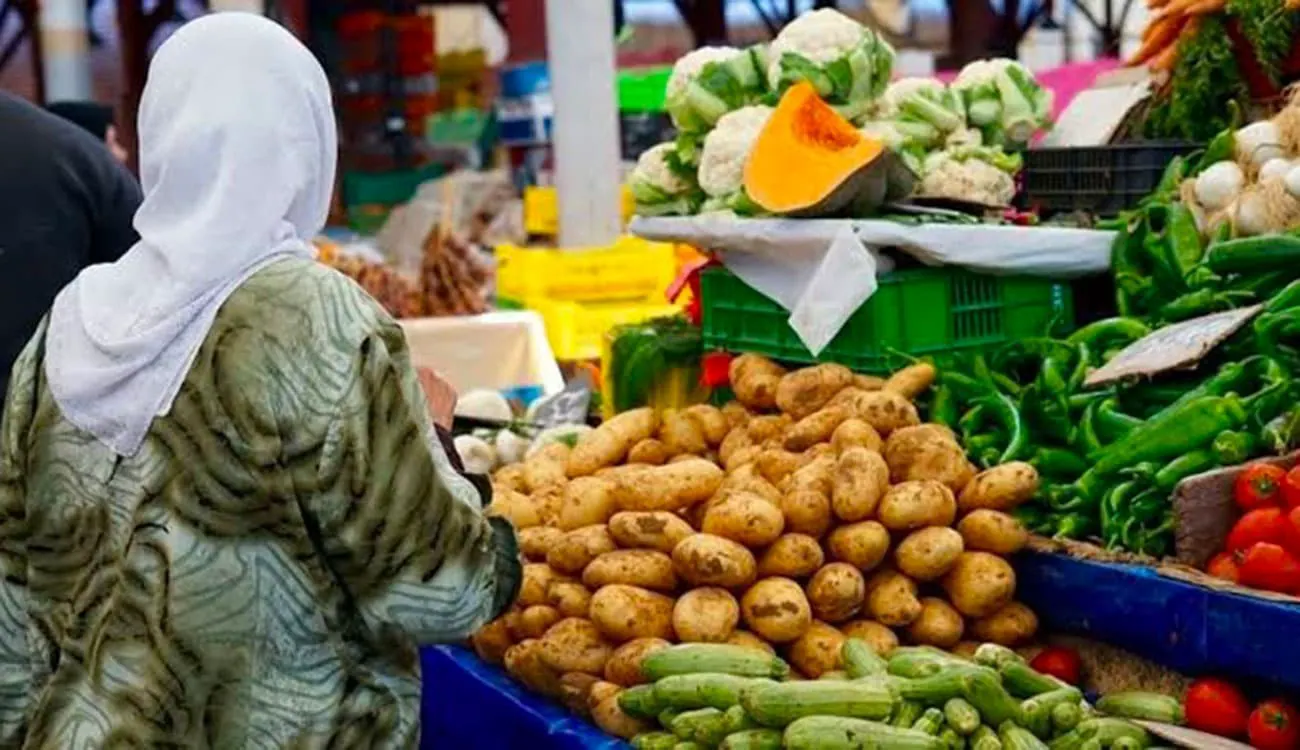
The Tunisian consumer continues to face significant challenges as prices for essential goods and services remain on an upward trajectory. Despite repeated assurances from authorities and numerous control operations aimed at curbing speculation and unfair commercial practices, the desired impact remains elusive. The prices of all products, whether food or non-food items, are experiencing sharp increases, leaving consumers searching for relief.
Many experts point to a malfunction in the system, suggesting that a mafia-like drift in the market is to blame for the rapid price escalation. This phenomenon began to take shape in 2011 and became more pronounced in 2015-2016. Today, it has become a harsh reality that consumers must contend with. The daily struggle for consumers is intensifying, with limited options available to mitigate the effects of these price hikes.
One common tactic employed by speculators involves creating artificial shortages of specific products, only to reintroduce them into the market at inflated prices. A recent example of this strategy was seen in the bottled water market, where many traders profited from the situation. These individuals, aware or unaware of the illegality of their actions, operate openly, often in plain sight of the public and authorities.
The issue of speculation and price gouging is not limited to a specific sector, as it permeates various aspects of commerce. Even products that are subsidized, such as flour, pasta, and sugar, are being sold at exorbitant prices by local traders. Official justifications for these price increases have failed to convince consumers, who feel that they are being taken advantage of.
According to data from the National Institute of Statistics (INS), the prices of fruits have been increasing by over 10% annually. In July 2016, the price hike was 11.1% compared to July 2015, and it reached 13.8% in July 2026 compared to July 2025. This translates to an approximate 110-130% increase in prices over the past decade. However, the actual increase has been even more pronounced, with some fruits experiencing dramatic price surges.
The prices of certain fruits, such as figs and pears, have reached unprecedented levels. For example, a kilogram of figs, which previously cost around 1.200-1.400 Tunisian dinars, now sells for significantly more. Similarly, pears, which cost around 700 millimes in the 2000s, now retail for 1.700 Tunisian dinars. While the impact of the bacterial fire blight disease on pear production is a factor, it does not justify the scale of the price increases.
To effectively address the issue of speculation and price gouging, there is a pressing need for the authorities to enforce existing laws and regulations. This requires not only strengthening the legal framework but also ensuring that law enforcement agencies have the necessary resources to take action against those engaging in unfair commercial practices. Additionally, public awareness and participation are crucial in supporting efforts to combat these economic crimes.
Key points
- The Tunisian government faces challenges in controlling price hikes and speculation.
- The issue of speculation and price gouging affects various sectors of commerce.
- Strengthening laws and regulations, as well as public participation, are essential in addressing the problem.