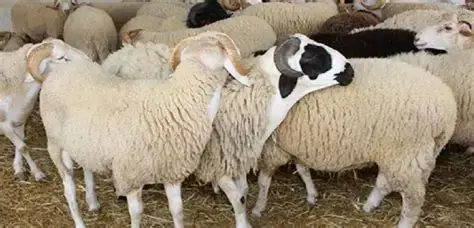
Tunisia's veterinary services have bolstered health vigilance and intensified monitoring of the national herd in response to regional disease outbreaks. The move aims to ensure early detection of animal diseases and enhance preventive interventions. According to the General Directorate of Veterinary Services, the decision was made to address emerging disease threats and maintain the health stability of the national herd.
The General Directorate of Veterinary Services recently convened a working session with regional services to enhance mobilization, health vigilance, and coordination of field interventions. The meeting ensured continuity of work and readiness to intervene during the weekend. Participants emphasized the need to continue monitoring the epidemiological situation of diseases such as foot-and-mouth disease and other animal diseases.
The veterinary services have called for the development of regional action plans based on risk analysis, prioritizing cattle fattening workshops, animal gathering points, and intensifying field visits to markets and monitoring animal movement. They also stressed the importance of providing necessary human and logistical resources to ensure continuous monitoring and intervention.
Recommendations have been made to strengthen bio-security measures within animal breeding facilities, particularly for individuals frequently moving between farms, such as veterinarians, vaccinators, and feed and livestock transporters. This includes adhering to strict cleaning, disinfection, and equipment sterilization protocols to minimize disease transmission risks.
The veterinary services have also recommended increasing awareness campaigns targeting breeders, fatteners, and livestock traders, urging them to avoid introducing or acquiring animals of unknown or non-compliant health status. They emphasized the importance of immediate reporting of suspected cases or unusual animal symptoms.
The measures are part of efforts to maintain the health stability of the national herd, enhance field readiness, and proactive prevention, while protecting animal wealth and preserving the results achieved under the national vaccination campaign. The veterinary services are working to limit the risks of disease spread and maintain regional coordination.
These developments underscore Tunisia's commitment to animal health and proactive disease prevention. The country's veterinary services continue to work closely with regional authorities and stakeholders to monitor animal movement and prevent the spread of diseases, ensuring the well-being of the national herd and the livestock sector as a whole.
Key points
- Tunisia's veterinary services enhance health vigilance and intensify national herd monitoring amid regional disease outbreaks.