Tunisia's Minister of Equipment, Housing, and Industry, Salah Zouari, recently highlighted the importance of coordination among stakeholders for the successful implementation of the ELMED electrical interconnection project with Italy. The project aims to create a energy bridge between Tunisia and Europe. Zouari made these remarks during the first meeting of the Steering Committee overseeing the project's execution. He urged all parties involved to work together to overcome potential challenges and ensure optimal working conditions.
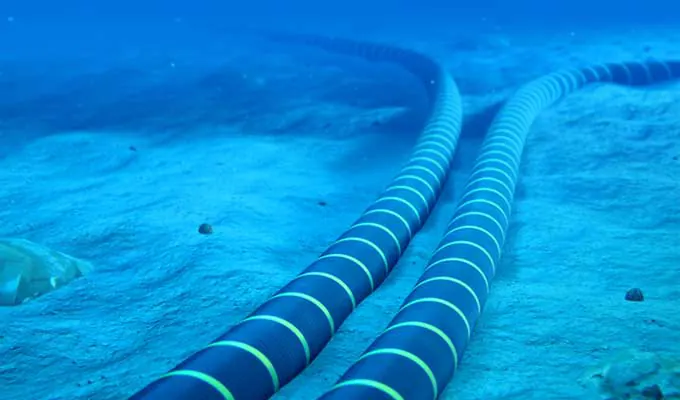
The ELMED project involves laying a 223 km undersea cable to connect the electrical networks of North Africa and Europe. The cable will have a capacity of 600 MW, enabling bidirectional transport with a voltage of up to 500 kV in high-voltage direct current (HVDC). This ambitious project is expected to significantly enhance energy exchange between Tunisia and Europe. Representatives from various Tunisian entities, including the STEG, Directorate General of Customs, and ministries of Defense, Economy, Agriculture, and Environment, attended the meeting.
The ELMED project is a major infrastructure development aimed at strengthening energy ties between Africa and Europe. By linking the electrical networks of the two continents, the project is expected to promote energy security, diversify energy sources, and support economic growth. The project's success is contingent upon effective coordination and collaboration among all stakeholders. Zouari emphasized the need for all parties to work together to ensure the project's timely completion.
The Steering Committee, established to oversee the project's implementation, brings together representatives from various government agencies, industry stakeholders, and other relevant parties. The committee's primary objective is to ensure that the project is completed in accordance with the established timeline. Zouari's call for coordination and cooperation reflects the government's commitment to ensuring the project's success.
The ELMED project has significant economic and strategic implications for Tunisia and the wider region. By enhancing energy exchange with Europe, the project is expected to contribute to Tunisia's economic growth and development. The project also underscores Tunisia's role as a key player in regional energy markets. Effective implementation of the project will require sustained efforts from all stakeholders.
The project's progress will be closely monitored by the Tunisian government, which has emphasized its commitment to ensuring the project's success. Zouari's remarks reflect the government's determination to overcome potential challenges and ensure that the project is completed on time. The project's success will depend on the ability of stakeholders to work together and address emerging issues.
The ELMED project is a critical component of Tunisia's energy strategy, aimed at enhancing energy security and promoting economic growth. The project's completion is expected to have a positive impact on Tunisia's energy sector and the broader economy. Key stakeholders will continue to work together to ensure the project's successful implementation.
Key points
- The ELMED project will create a 600 MW electrical interconnection between Tunisia and Italy.
- The project involves laying a 223 km undersea cable to connect North African and European electrical networks.
- Effective coordination among stakeholders is crucial for the project's timely completion.