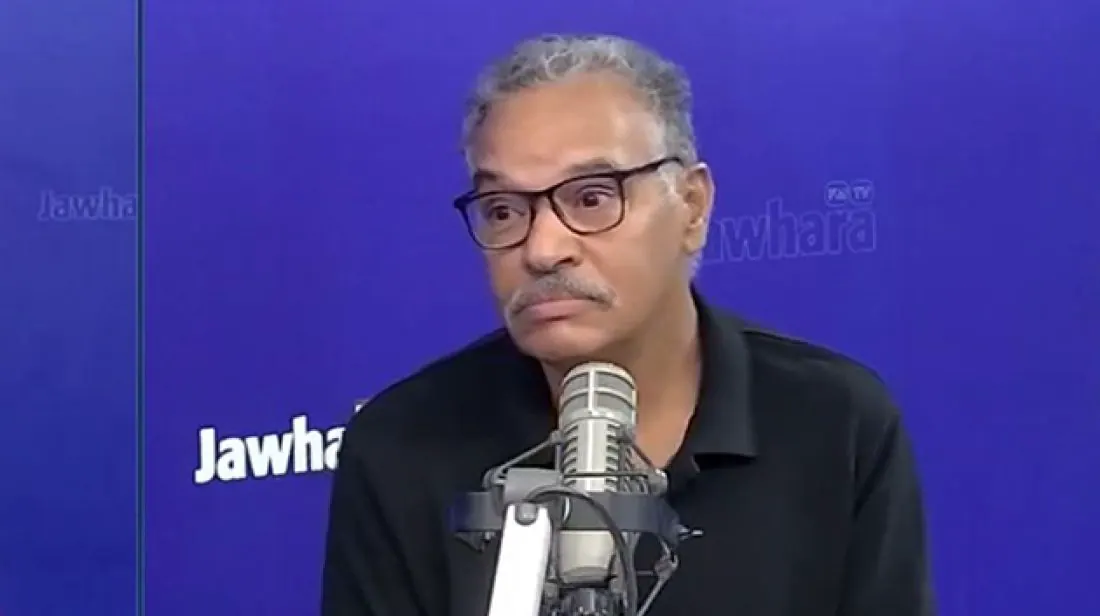
Tunisia's annual expenditure on household waste collection stands at approximately 450 million dinars. This revelation was made by environmental expert Hussein Al-Rahili during an appearance on a local radio program. Al-Rahili highlighted that the global approach to waste management has undergone a significant transformation since the 1992 Rio Earth Summit in Brazil. He noted that waste has evolved from being a pollution source and financial burden to a primary resource for wealth generation.
Al-Rahili expressed concern that Tunisia is moving in the opposite direction of this global trend. He pointed out that the country's waste recycling and valuation rates remain extremely low. The expert emphasized that Tunisia relies heavily on landfill disposal, unlike European countries that have achieved a "zero landfill" policy through selective sorting and waste valuation systems. This approach has enabled these countries to minimize waste disposal costs and maximize resource recovery.
The expert identified a structural flaw in Tunisia's municipal waste management system. He argued that the responsibility for effective waste management cannot be attributed solely to citizens. Instead, the government must provide modern and sustainable infrastructure to guide public behavior. Al-Rahili stressed that a well-designed waste management system would encourage citizens to adopt environmentally friendly practices.
Al-Rahili drew attention to the risks associated with certain types of waste, such as used mineral oils. He warned that a single liter of used oil can contaminate up to 1,000 cubic meters of water. This highlights the need for effective waste management strategies to mitigate environmental pollution. The expert called for the development of realistic, long-term plans to valorize various types of waste and exploit them economically.
According to Al-Rahili, the current waste management approach in Tunisia is not only costly but also environmentally damaging. He urged the government to adopt a more sustainable and economically viable strategy for waste management. This would involve investing in modern infrastructure, promoting recycling, and encouraging private sector participation in waste management.
The expert's comments come at a time when environmental concerns are increasingly gaining attention in Tunisia. The government has been under pressure to address issues related to waste management, pollution, and climate change. Al-Rahili's statements are likely to spark further debate on the need for a comprehensive waste management strategy in Tunisia.
The issue of waste management is a pressing concern for Tunisia, with implications for the environment, public health, and the economy. The government's response to this challenge will be closely watched by citizens, environmental groups, and international organizations. A sustainable and effective waste management strategy is crucial for Tunisia's future development and environmental sustainability.
Key points
- Tunisia spends around 450 million dinars annually on household waste collection
- The country's waste recycling and valuation rates are extremely low
- Expert calls for a sustainable and economically viable waste management strategy