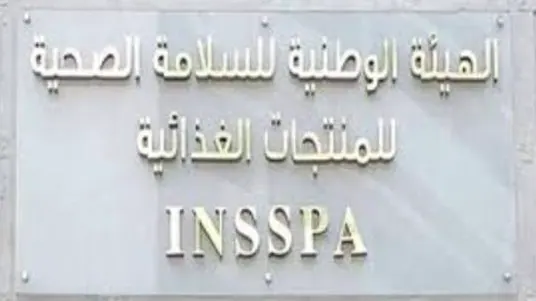
Tunisia's experience in food safety was recently showcased at the 3rd African Forum of Food Control Authorities (AFRAF) in Cairo. The forum brought together over 100 representatives from 25 African countries. Mohamed Rabaoui, head of Tunisia's National Health Safety Authority for Food Products, presented the country's legislative and institutional reforms in the food safety sector. He highlighted the development of Tunisia's national control system and the challenges of establishing a unified and effective system.
Rabaoui emphasized the significant transformation in Tunisia's food control system, particularly with the introduction of Law No. 25 of 2019, which established the National Health Safety Authority for Food Products. This law created a unified control authority with independence in performing its tasks and ensuring the health safety of food products. The new system replaced a previous fragmented system where responsibilities were distributed among several administrative structures.
The new system is based on a scientific approach that analyzes risks and covers all stages of the food chain, from production to consumption. This approach follows the "farm-to-table" principle. Rabaoui outlined the practical steps taken to establish the new system, including the creation of a regional network of 24 regional departments that cover all regions of Tunisia. This network supports effective monitoring and prevention of health risks associated with food products.
The restructuring of the sector has led to unified regulatory decision-making, promoting consistency in applying control measures and equal treatment of all stakeholders in the food sector. Rabaoui also highlighted the importance of updating working methods and developing the technical capabilities of the Authority through digitalization and international quality standards, such as ISO 9001, ISO 17020, and ISO 17025.
These standards contribute to improving service quality, enhancing the efficiency of control agents, and supporting the reliability of laboratory analyses. They also promote the harmonization of procedures according to international practices and standards. Tunisia's participation in the African Forum is part of its efforts to strengthen regional cooperation and exchange experiences with food control authorities in Africa.
The participation aims to support the development of more integrated and effective control systems that can respond to increasing challenges in food safety and adapt to changes in the sector at the African and international levels. Rabaoui's presentation showcased Tunisia's experience in reforming its food safety system, which can serve as a model for other countries.
The reforms in Tunisia's food safety system have improved the country's ability to ensure the health safety of food products. The National Health Safety Authority for Food Products continues to work towards strengthening its control systems and enhancing its technical capabilities to address emerging challenges in food safety.
Key points
- Tunisia's National Health Safety Authority for Food Products has introduced significant reforms in the country's food safety system, including the establishment of a unified control authority and a regional network of departments.
- The reforms are based on a scientific approach that analyzes risks and covers all stages of the food chain, from production to consumption.
- Tunisia's experience in food safety reform can serve as a model for other countries in Africa.