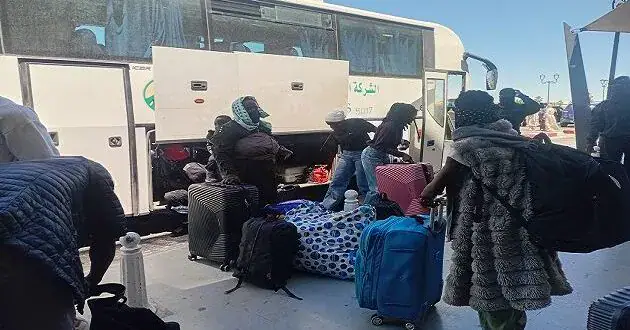
Tunisia's Minister of Foreign Affairs, Migration, and Tunisians Abroad, Mohamed Ali Al-Nafti, reported a substantial increase in the voluntary return of irregular migrants. As of November 2026, 27,342 migrants have participated in the program, a significant rise from 976 in 2021. This data was shared during a session at the Bardo Palace, where the minister discussed the Foreign Ministry's role in the state's 2027 budget project.
The Ministry of Foreign Affairs coordinates regularly with the International Organization for Migration (IOM) in Tunisia to manage voluntary return programs. Monthly meetings and ministerial-level discussions facilitate the process and address related challenges in collaboration with national structures and countries of origin. The minister emphasized efforts to enhance awareness and expedite the voluntary return process, including facilitating travel documents and securing funding for migrants.
Despite the overall increase, the minister noted a decline in the rate of voluntary returns during the first months of 2026. He attributed this decline to factors such as a decrease in the number of migrants, difficulties in coordinating with certain countries of origin, and challenges in obtaining transit permits. The ministry aims to mitigate these issues through improved procedures.
Al-Nafti stressed the importance of balancing irregular migration control with facilitating legal migration and promoting economic opportunities. He highlighted Tunisia's approach to addressing the root causes of migration, focusing on development, employment, poverty reduction, and combating marginalization while respecting migrants' rights and dignity.
The Ministry of Foreign Affairs is working to mobilize financial support from concerned countries, including Italy, Switzerland, and Denmark, to enhance national capacities in combating irregular migration. This support includes funding infrastructure projects and security equipment for police and naval guard centers across various regions.
The minister's statement also underscored the ongoing coordination with the Ministry of Health and the IOM to monitor the health conditions of migrants. He called for increased European investments in Tunisia and countries of origin to address the economic causes of migration.
Tunisia's efforts to tackle irregular migration reflect a comprehensive strategy that includes promoting voluntary returns, enhancing migration management, and addressing underlying socio-economic issues. The government's approach seeks to balance security concerns with humanitarian considerations and international cooperation.
Key points
- The number of migrants participating in Tunisia's voluntary return program has risen significantly, from 976 in 2021 to 27,342 as of November 2026.
Reporting sources
- بالأرقام: وزير الخارجية يكشف تطور العودة الطواعية للمهاجرين.. · ar.webmanagercenter.com