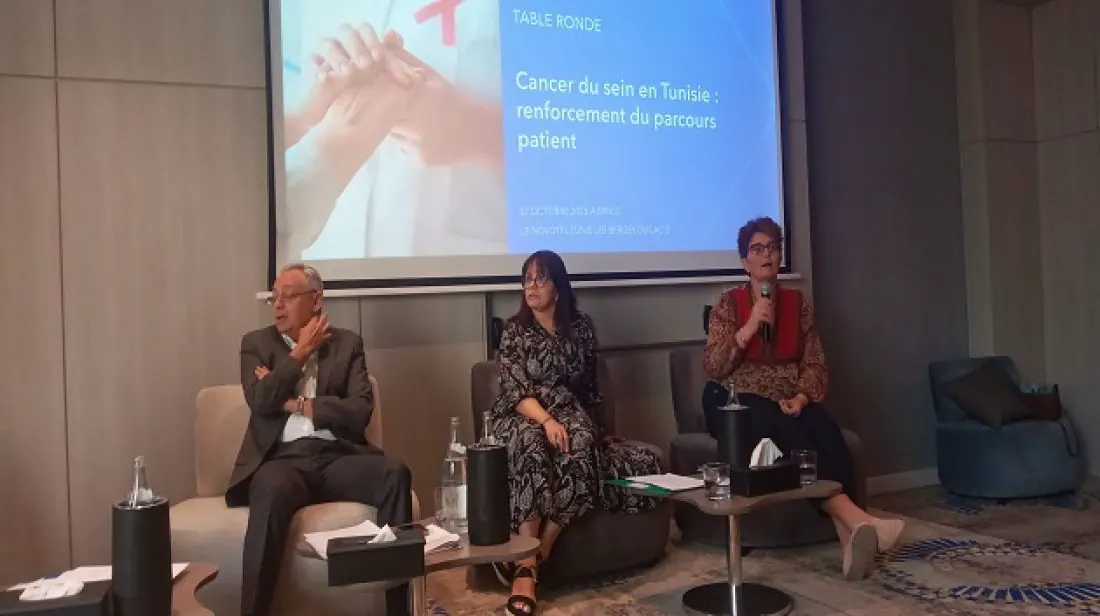
Tunisia is bracing for a significant increase in breast cancer cases, with projections indicating a rise to 6,000 cases by 2030. Dr. Henda Al-Rais, head of a department at Salah Aziz Hospital, highlighted this trend during a roundtable discussion on improving healthcare pathways for patients. The discussion was part of the first series of "Roch Health" dialogues.
Dr. Al-Rais emphasized that while the increasing number of screening campaigns during Breast Cancer Awareness Month and the involvement of various institutions in these efforts are crucial, they also underscore the importance of early detection. By identifying the disease in its initial stages, treatment can be more effective. Screening campaigns, particularly those conducted during October, known as "Pink October," play a vital role in this early detection process.
Dr. Jamal Daoud, a radiology specialist, noted that women can often detect breast cancer through noticeable changes in tumor size over several years. In Tunisia, the average tumor size at diagnosis has decreased to 3.5 centimeters, down from 6 centimeters in the 1980s. This reduction suggests improvements in detection methods and awareness. Dr. Daoud also mentioned that efforts are ongoing to increase the number of women who recover from the disease, currently at about 50%.
A recent study revealed that 30% of patients who could potentially be cured of cancer discontinue their treatment due to social reasons or lack of follow-up care after hospital discharge. This statistic underscores the need for comprehensive care pathways that support patients throughout their treatment and recovery. Ensuring that patients adhere to their treatment plans is crucial for improving survival rates.
Dr. Habiba Al-Mizouni, head of the radiology department at a hospital in Tunis, pointed out that the introduction of digital health services in Tunisia has enhanced screening capabilities. She stressed the importance of patients continuing their healthcare journey to maximize the effectiveness of their treatment. The integration of digital tools in healthcare has been a significant step towards improving patient outcomes.
The involvement of various institutions in breast cancer awareness and screening campaigns is seen as a positive development. These efforts not only help in early detection but also in educating the public about the importance of regular check-ups and monitoring. By increasing awareness and access to screening, Tunisia aims to improve its response to the rising incidence of breast cancer.
As Tunisia prepares for an expected increase in breast cancer cases, the focus remains on enhancing detection, treatment, and care for patients. With a concerted effort from healthcare professionals, institutions, and the public, there is hope for improving outcomes and survival rates for those affected by the disease.
Key points
- Tunisia expects 6,000 breast cancer cases by 2030.
- Early detection is crucial for effective treatment of breast cancer.
- Digital health services are enhancing screening capabilities in Tunisia.