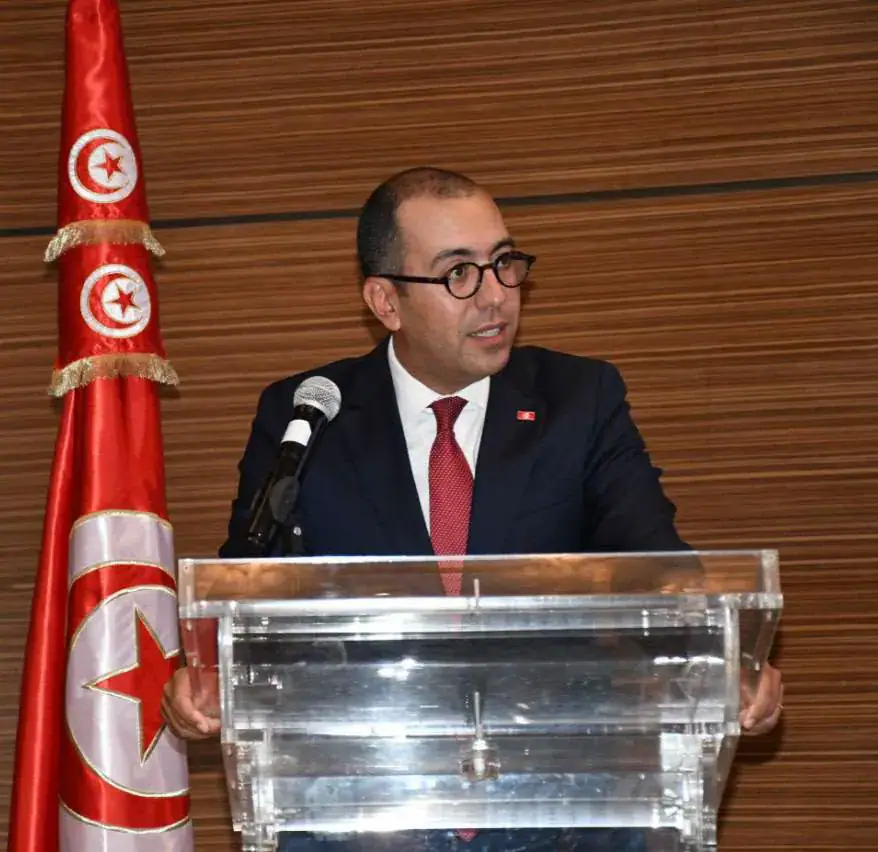
Tunisia's Minister of Energy Transition, Wail Chouchane, emphasized the importance of transitioning to a low-carbon economy and removing carbon from the industrial sector. This move is seen as a strategic choice for the country's future economic development, enhancing competitiveness, and modernizing the industrial fabric. Chouchane made these remarks during the launch of national consultations on the "Africa Green Industrialization Hub" initiative in Tunis.
The global industry is undergoing profound transformations due to the reorganization of value chains, rapid technological advancements, and growing environmental requirements. The need for competitive and reliable energy is becoming increasingly important. According to Chouchane, carbon removal from the industrial sector presents an opportunity to control production costs, improve energy performance, and reduce dependence on external resources.
Chouchane highlighted that Tunisia possesses the necessary elements to adapt to these changes, including accumulated industrial experience, human and technical skills, and the integration of some of its institutions into global value chains. These assets contribute to the transition towards a more sustainable, innovative, and competitive industrial model. He stressed that building a future industry requires adopting a comprehensive vision for energy transition.
The "Africa Green Industrialization Hub" initiative, developed by the United Nations Industrial Development Organization (ONUDI) in collaboration with the National Agency for Energy Control (ANME), focuses on four main areas. These include developing public policies and sectoral roadmaps, enhancing human skills and capacities, supporting the adoption of modern technologies, and mobilizing financing mechanisms.
The success of the initiative will be measured by its ability to respond to the actual needs of industrial institutions and convert strategic orientations into executable projects. These projects aim to reduce production costs, improve energy efficiency, introduce new technologies, and enhance the value added to the national economy. Chouchane also emphasized the strategic importance of Tunisian-Italian cooperation in achieving this goal.
The global industrial transformations represent a strategic opportunity for the African continent to enhance local production with added value and develop its participation in international value chains. Chouchane called for special attention to be given to the industrial sectors that consume the most energy, such as cement, metallurgy, and textiles. He noted that addressing the challenges they face requires integrating public policies, technological capacities, and financing mechanisms.
The session was attended by Italian Ambassador to Tunisia Alessandro Brunass, Resident Representative of the United Nations Industrial Development Organization Lsaad Ben Hussein, and General Director of the National Agency for Energy Control Nafaa Bekkari. The event brought together several officials, experts, and representatives of institutions and actors in the industrial sector.
Key points
- Carbon removal can help Tunisia control production costs and improve energy performance.