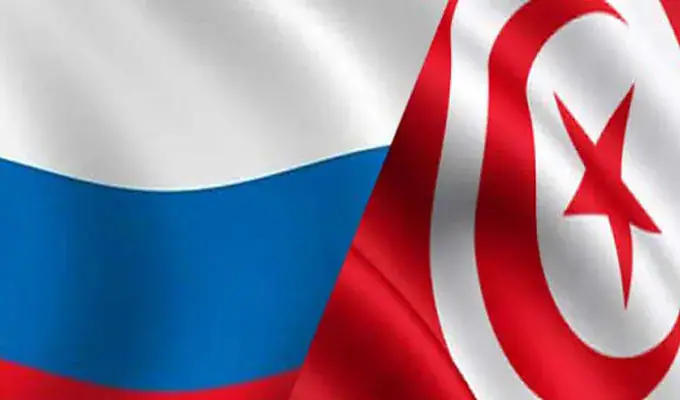
Tunisia is participating in the 3rd Russia-Africa Summit in Moscow, with a focus on peace, security, and development. The country is implementing a comprehensive strategy to enhance its economic presence in the Russian market, targeting untapped export potential and reviving tourism. According to Amira Jaouadi, director of the Centre de Promotion des Exportations (Cepex) in Moscow, Tunisia's untapped export potential in Russia is estimated at around $27 million.
The main opportunities for Tunisian exports to Russia lie in olive oil, shoes, and medical equipment. In the first nine months of 2026, bilateral trade between Tunisia and Russia increased by 14% to approximately 32.5 million dinars. The agro-food sector accounts for around 70% of Tunisian exports to Russia, driven by olive oil, dates, and tomato concentrate. Textiles and mechanical industries are also among Tunisia's exports to Russia.
To capitalize on these opportunities, Tunisian export promotion agencies, including Cepex, the Embassy, and the ONTT, are organizing various initiatives, such as a joint pavilion at the Russia-Africa Summit and B2B meetings during professional trade shows. Despite challenges related to the lack of direct freight connections and financial restrictions imposed on Russia, exporters are developing alternative mechanisms to maintain transactions.
On the tourism front, Tunisia is relying on its diverse offer, including cultural heritage, local gastronomy, and ecotourism, to attract Russian tourists. According to Neji Gouider, representative of the Office National du Tourisme Tunisien (ONTT) in Moscow, Russian tourists typically stay for over 10 nights, prefer 3- and 4-star hotels, and enjoy excursions. The tourism sector has been recovering gradually since the crisis between Russia and Ukraine.
In 2019, Tunisia welcomed a record 600,000 Russian tourists. The sector recorded 35,000 Russian tourists in 2025, thanks to direct flights operated by Nouvelair. As of October 20, 2026, 51,000 Russian tourists have visited Tunisia, driven by additional direct flights from Pyramids Airlines, Belavia, and Armenian airlines. The main factor influencing Russian tourists' decisions is the availability of direct flights without layovers.
Industry stakeholders believe that Tunisia can regain its 2019 tourism numbers if air capacity is increased. To achieve this, they recommend allocating seat blocks to tour operators on the national airline, opening a regular Tunisair line to Tunis-Carthage airport, and actively participating in international events, such as the MITT trade show in Moscow.
Tunisia's efforts to boost exports and tourism to Russia come as the country seeks to strengthen its economic ties with the Russian market. With a focus on diversifying its economy and enhancing its global presence, Tunisia aims to capitalize on emerging opportunities and strengthen its position as a key player in the region.
Key points
- Tunisia has an estimated $27 million in untapped export potential to Russia.
- The country welcomed a record 600,000 Russian tourists in 2019.
- Tunisia is seeking to increase air capacity to boost tourism from Russia.