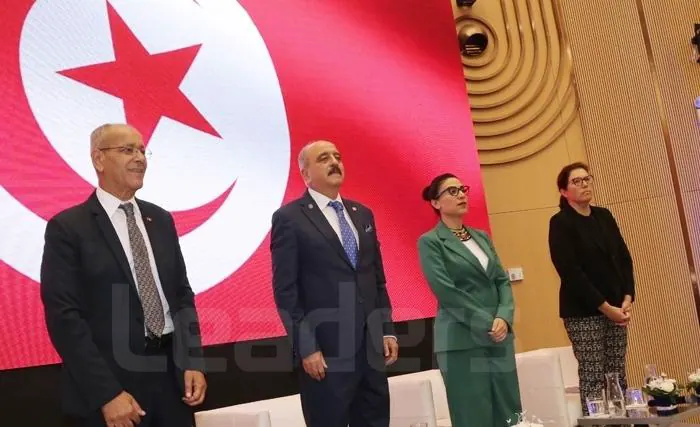
Tunisia's Minister of Foreign Affairs, Migration, and Tunisians Abroad, Mohamed Ali Nafti, has called for a change in approach to mobilize more financial resources for climate projects. Speaking at a national workshop on accessing climate financing, Nafti emphasized the need for innovative solutions, including debt conversion and shorter deadlines. The workshop, organized with the ministries of Environment, Finance, Economy, and Planning, as well as the UN Development Programme, aims to strengthen the country's capacity to design and implement large-scale, bankable projects.
The estimated financial needs for Tunisia's climate projects from 2026 to 2035 stand at $55 billion. The government is looking to tap into various sources beyond traditional subsidies and credits. Nafti stressed the importance of better national coordination, a common vision for priorities, and a portfolio of projects. The diplomatic network will support identifying opportunities, bringing together stakeholders, and realizing ambitions.
The Minister of Environment, Habib Abid, reviewed Tunisia's long-standing commitment to addressing climate change and successful projects under bilateral and international cooperation. The workshop features presentations and panel discussions by Tunisian and foreign experts, aiming to enhance participants' understanding of climate fund instruments and requirements. The goal is to formulate concrete recommendations for improving governance and coordination mechanisms for mobilizing climate financing.
The national workshop brings together various stakeholders to address the challenges of accessing climate financing. Participants will discuss ways to design and implement projects that align with national priorities and meet the requirements of technical and financial partners. The event aims to facilitate the sharing of experiences and expertise in climate financing.
Tunisia's efforts to secure climate financing are crucial for implementing its climate change mitigation and adaptation strategies. The country's commitment to addressing climate change is reflected in its participation in international agreements and cooperation with development partners. The workshop is an important step towards enhancing Tunisia's capacity to access climate financing.
The government is seeking to develop a pipeline of bankable projects that can attract climate financing. This involves identifying priority projects, strengthening institutional capacity, and improving coordination among stakeholders. The diplomatic network will play a key role in supporting these efforts and facilitating partnerships with international organizations and donors.
The outcome of the workshop is expected to contribute to the development of a national strategy for accessing climate financing. The strategy will aim to mobilize financial resources, enhance coordination among stakeholders, and support the implementation of climate projects in Tunisia. The government is committed to working with various partners to achieve its climate goals.
Key points
- Tunisia needs $55 billion for climate projects by 2035.
- The government is seeking innovative solutions, including debt conversion, to mobilize climate financing.
- A national workshop aims to strengthen Tunisia's capacity to design and implement large-scale, bankable climate projects.