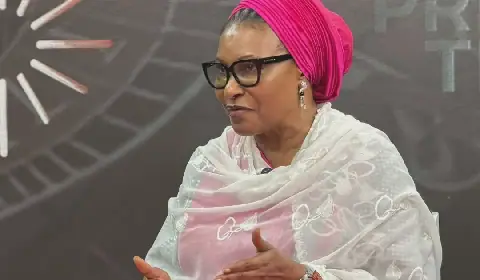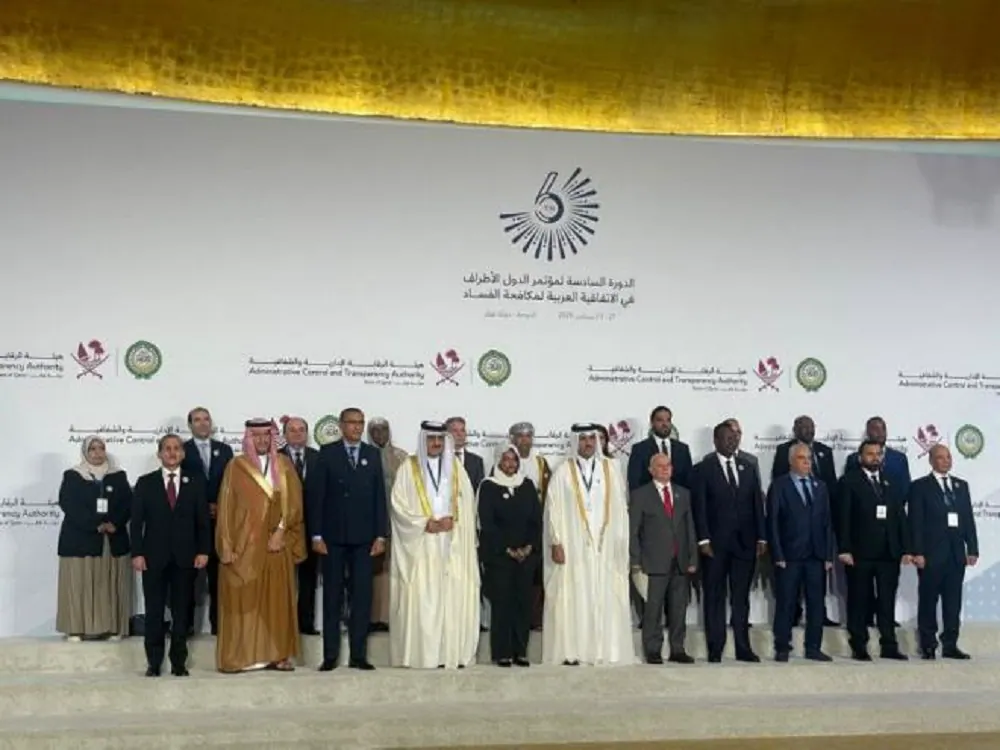
Tunisia's President of the High Committee for Administrative and Financial Control, Imed Hazgui, has reaffirmed the country's commitment to fighting corruption. Speaking at the sixth session of the Conference of States Parties to the Arab Convention against Corruption in Doha from December 21-23, 2026, Hazgui emphasized Tunisia's policy of applying the law and promoting integrity in the public and private sectors.
According to a statement released by the Committee, Tunisia's anti-corruption policy has led to the revision of several legislative texts, simplification of administrative procedures, and digitalization of public services. These measures aim to reduce the scope for human intervention and the risks of corrupt practices. The policy also focuses on strengthening control structures, establishing accountability mechanisms, and combating impunity.
Hazgui highlighted the importance of regional cooperation between Arab states and organizations, based on exchanging experiences, expertise, and best practices. He stressed that this cooperation should align with the Arab Convention against Corruption and its objectives. Tunisia's efforts to enhance anti-corruption cooperation are part of a broader strategy to promote transparency and accountability.
The Arab Convention against Corruption aims to promote cooperation and coordination among Arab states in combating corruption. The Convention, which came into force in 2010, provides a framework for Arab states to develop and implement anti-corruption policies and strategies. Hazgui's call for enhanced cooperation reflects Tunisia's commitment to implementing the Convention's provisions.
Hazgui also emphasized the need for Arab countries to work together to encourage the international community to develop more effective cooperation mechanisms in the fight against corruption. He specifically called for the implementation of the United Nations Convention against Corruption and the facilitation of procedures for recovering embezzled funds.
The Doha conference brought together representatives from Arab states and international organizations to discuss anti-corruption strategies and best practices. The conference aimed to promote cooperation and coordination among Arab states in combating corruption and to review progress made in implementing the Arab Convention against Corruption.
Tunisia's efforts to combat corruption are part of a broader strategy to promote good governance and transparency. The country's commitment to anti-corruption cooperation reflects its determination to address the challenges posed by corruption and to promote a culture of integrity and accountability.
Key points
- Tunisia's Imed Hazgui calls for stronger Arab cooperation to combat corruption.
- Tunisia has implemented several measures to combat corruption, including revising legislative texts and digitalizing public services.
- The Arab Convention against Corruption aims to promote cooperation and coordination among Arab states in combating corruption.