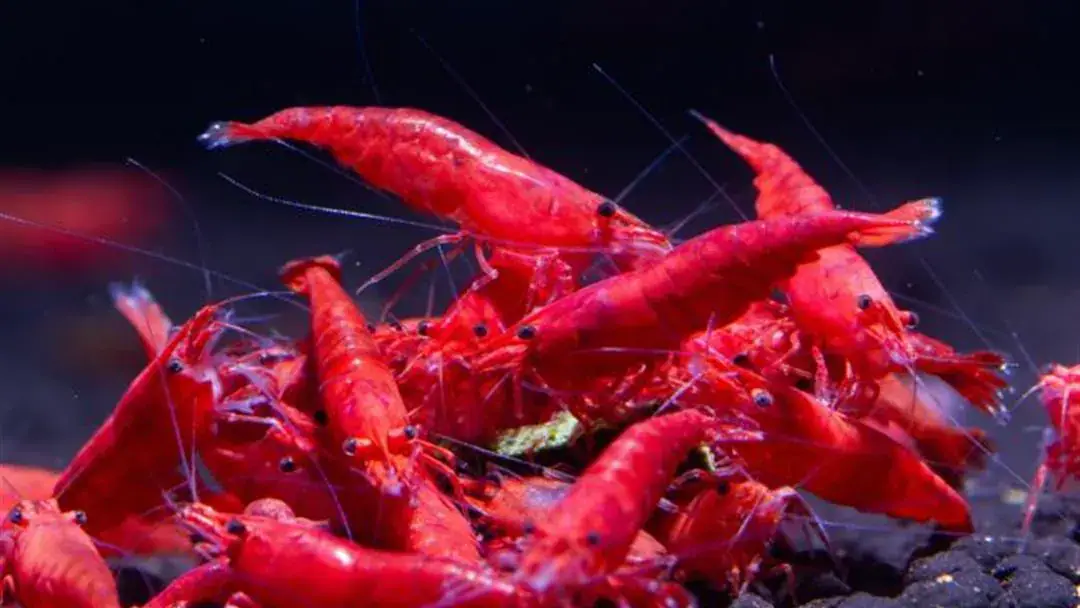
Tunisia has successfully negotiated an increase in its quota for deep-sea red shrimp in the Mediterranean Sea. The agreement was reached during the 49th session of the General Fisheries Commission for the Mediterranean, held in Rome from October 26 to 30. The talks involved representatives from various Tunisian sectors and ministries, as well as the European Union. The quota increase is a significant development for Tunisia's fishing industry.
The General Fisheries Commission for the Mediterranean, which is part of the Food and Agriculture Organization, adopts a system of periodic updates to member countries' quotas every three years. This system aims to balance the economic viability of the sector with the need to preserve marine resources and ecosystems in the Mediterranean. The commission's decisions are crucial for countries like Tunisia, which rely heavily on fishing as a source of income.
In early October, Italian authorities issued a note calling on suppliers to suspend purchases of Tunisian red shrimp until the end of 2026. This decision was based on Tunisia's reported exports exceeding its allocated quota by over 41%, with exports surpassing 50 tons. Tunisia had requested a revision of its production ceiling, citing outdated data that did not reflect the current structure of its deep-sea fishing fleet.
The Tunisian deep-sea fishing fleet has undergone significant modernization, with between 70 and 100 modern and well-equipped vessels currently in operation. This development has increased the country's fishing capacity, making the existing quota allocation outdated. The agreement to increase Tunisia's quota is expected to benefit the country's fishing industry and ensure the sustainability of the resource.
The European Union has expressed its willingness to continue dialogue with Tunisia and work towards a sustainable solution. The EU's ambassador to Tunisia, Giuseppe Perroni, emphasized the EU's commitment to finding a mutually beneficial agreement. The negotiations aim to update the framework for managing shared deep-sea crustacean stocks and ensure that Tunisian fishermen are not adversely affected.
The agreement to increase Tunisia's quota for deep-sea red shrimp is a positive development for the country's fishing industry. The increased quota is expected to boost the country's exports and provide a significant source of income for Tunisian fishermen. The agreement also highlights the importance of cooperation between Tunisia and the European Union in managing shared marine resources.
The updated quota allocation will be implemented as part of the General Fisheries Commission for the Mediterranean's efforts to ensure the sustainable management of marine resources in the region. The commission's work is crucial for maintaining the health of marine ecosystems and promoting sustainable fishing practices. Tunisia's increased quota for deep-sea red shrimp is a significant step towards achieving these goals.
Key points
- Tunisia's quota for deep-sea red shrimp in the Mediterranean has been increased following negotiations with the European Union.