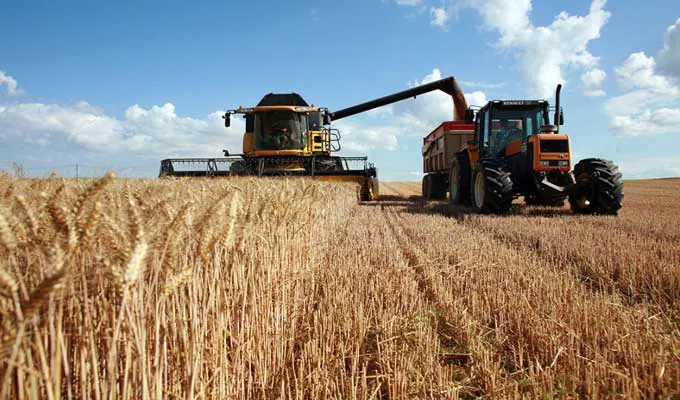
The Tunisian government has programmed 87,000 hectares in the Zaghouan region for major crops, with approximately 70% dedicated to cereals and 30% to fodder. This development is part of the country's efforts to boost agricultural production. According to the Regional Commissariat for Agricultural Development, recent rainfall has enhanced land preparation for the upcoming sowing season. The region is optimistic about the prospects of a successful harvest.
The Regional Commissariat for Agricultural Development reported that 77 out of 81 financing requests from local farmers have been approved. This financial support will enable farmers to purchase necessary equipment and inputs for their crops. The approved requests reflect the government's commitment to supporting the agricultural sector in the region. Farmers in Zaghouan will benefit from these funds to enhance their productivity.
The Zaghouan region has recently organized information and awareness days for farmers, focusing on best practices for sowing and fertilization. These events also covered topics such as selecting suitable seed varieties, adjusting sowing and harvesting machinery, and preventing fungal diseases. The training sessions aim to equip farmers with the knowledge needed to optimize their crop yields. By sharing expertise, the government hopes to improve agricultural outcomes.
The improved rainfall conditions in the region have positively impacted land preparation for the sowing season. This development is crucial for the success of the agricultural program in Zaghouan. With 87,000 hectares allocated for major crops, the region is poised to make a significant contribution to Tunisia's agricultural production. The government's efforts to support farmers through financing and training are expected to yield positive results.
The agricultural program in Zaghouan is part of Tunisia's broader strategy to enhance food security and promote sustainable agriculture. By investing in the agricultural sector, the government aims to reduce the country's reliance on imports and improve the livelihoods of rural communities. The Zaghouan region's allocation of 87,000 hectares for major crops is a significant step towards achieving these goals.
The Tunisian government's support for the agricultural sector is also reflected in its efforts to promote mechanization and modern farming techniques. By providing financing and training, the government is helping farmers to adopt more efficient and productive methods. This support is expected to have a positive impact on crop yields and farmers' incomes in the Zaghouan region.
The Zaghouan region's agricultural program is a positive development for Tunisia's agricultural sector. With the right support and resources, farmers in the region are well-positioned to increase their productivity and contribute to the country's food security. The government's commitment to supporting the agricultural sector is crucial for the success of this program.
Key points
- The Zaghouan region has allocated 87,000 hectares for major crops, mainly cereals and fodder.
- 77 out of 81 financing requests from local farmers have been approved.
- The region has organized information and awareness days for farmers, focusing on best practices for sowing and fertilization.