A recent scene in Tunisia has left many in shock, as long queues formed outside major supermarkets and tensions rose over the availability of bottled water. The situation has become so dire that some have taken to running to grab bottles of water as soon as they become available, often leading to disputes. This stark contrast to the past, when water was freely available, has left many wondering what has changed.
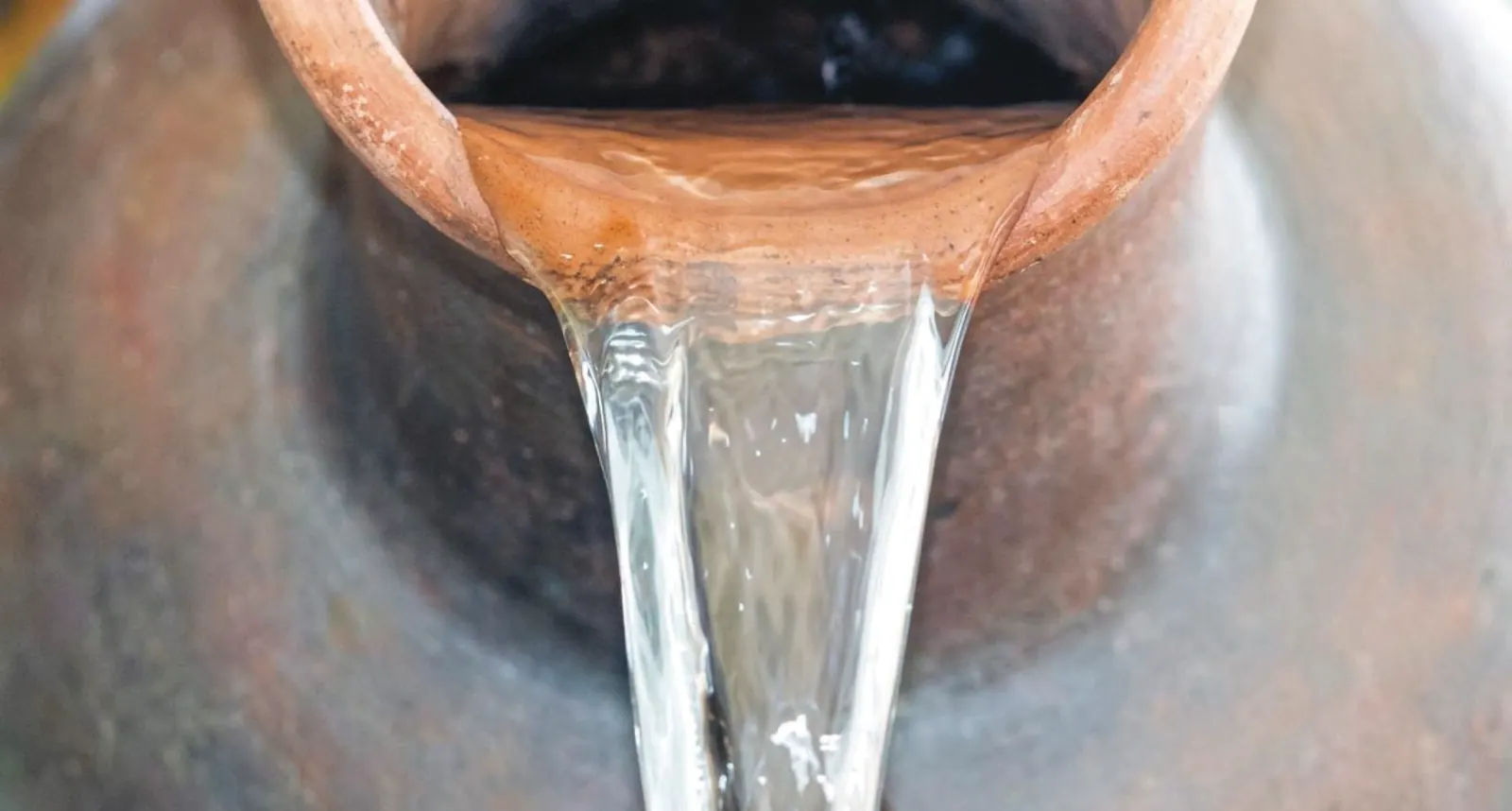
For many Tunisians, the struggle to access bottled water is a far cry from their childhood experiences. One elderly man, born and raised in the old medina of Tunis, recounted his story of growing up with an abundance of water. In his family's home, a "kolla" or large jar, was always filled with water, which was used for drinking, cooking, and washing. Outside, public fountains, known as "saballas", provided additional access to water.
The introduction of piped water in the 1950s and 1960s revolutionized daily life in Tunisia. The national water company, SONEDE, worked tirelessly to install pipes and provide households with a direct supply of clean water. For many, this marked a significant improvement in their quality of life, as women no longer had to spend hours collecting water from public sources.
However, over the years, Tunisians' relationship with water has undergone a significant shift. Many have begun to rely on bottled water, rather than tap water, due to concerns over quality and taste. This trend has led to a surge in demand for bottled water, which has become increasingly scarce. The elderly man lamented the change, recalling a time when water was not considered a luxury item.
The current water crisis in Tunisia has raised questions about the country's approach to managing its water resources. Despite having a reliable supply of piped water, many households have turned to bottled water, leading to a shortage. Experts argue that this trend is unsustainable and that the country needs to rethink its approach to water management.
The impact of the water crisis is being felt across the country, with many households struggling to access bottled water. Some have reported waiting in long queues for hours, only to find that supplies have run out. The situation has become so dire that some have begun to call for a return to using tap water.
As Tunisia grapples with its water crisis, many are calling for a rethink of the country's approach to managing its water resources. The elderly man's story serves as a reminder of a time when water was abundant and freely available. As the country looks to the future, it remains to be seen whether Tunisians will return to a time when water was simply "water", or whether the current trend towards bottled water will continue.
Key points
- Tunisians face long queues and tensions as bottled water becomes scarce
- The country's relationship with water has shifted significantly over the years
- Experts argue that the trend towards bottled water is unsustainable and that the country needs to rethink its approach to water management