The Via Bagrada – La Route de la Medjerda project, launched in 2020 by the Museum Lab association, is set to transform the northwest region of Tunisia into a major tourist destination. The project covers several governorates, including Béja, Jendouba, Le Kef, and Siliana, and aims to create a chain of economic activities around tourism. By leveraging the region's rich cultural heritage and natural resources, the project seeks to generate employment and stimulate local growth. The initiative has gained significant attention, with a recent meeting held to discuss its progress and future plans.
The northwest region of Tunisia is home to a wealth of historical and cultural landmarks, including ancient cities, medinas, and natural landscapes. However, despite its potential, the region's tourism industry remains underdeveloped. According to Hatem Drissi, founder of Museum Lab, the region lacks a cohesive network of local actors, visibility, and shared experiences. The Via Bagrada project aims to address these challenges by bringing together local associations, authorities, tourism professionals, artisans, and young entrepreneurs to create a synergistic approach to tourism development.
The project's focus on sustainable and circular tourism is designed to generate direct revenue for local communities. By integrating local artisans into official tourist circuits, the project provides them with access to new markets and a national and international clientele. Additionally, the project aims to boost local commerce, including restaurants, guesthouses, and proximity shops, which will benefit directly from the increased flow of visitors. The project's agro-tourism component will also highlight the region's flagship products, such as olive oil, pomegranates, and cheese.
To ensure the project's long-term impact, a territorial meeting will be held on September 24, 2026, to equip local actors with tools to measure the project's effects. Participants will have access to precise indicators to track visitor numbers, direct economic returns, and the scope of their actions, guaranteeing transparent and effective governance. This approach will enable local stakeholders to assess the project's success and make informed decisions about its future development.
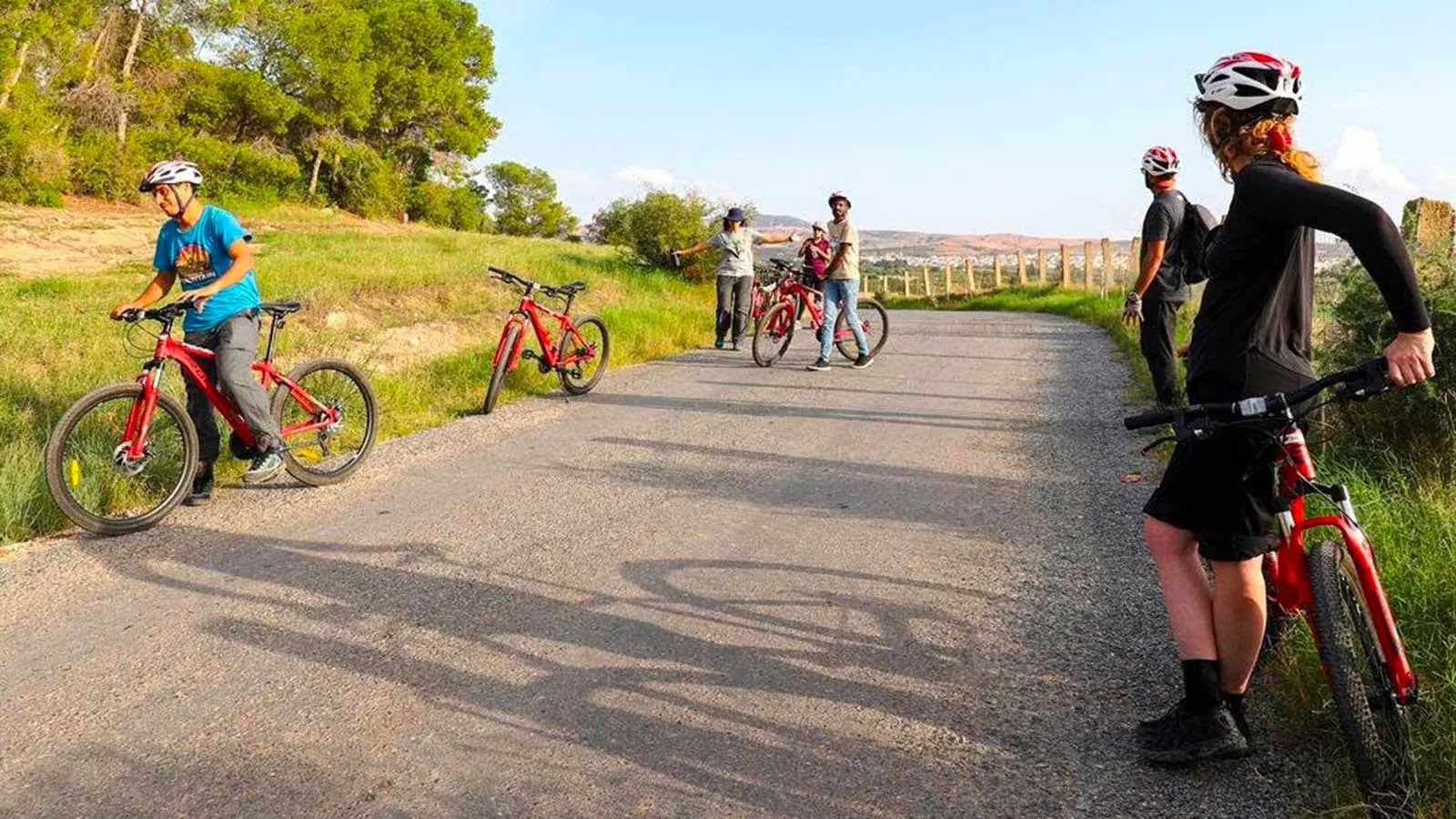
A major public event will take place from October 2 to 4, 2026, in the cities of Testour, Teboursouk, and Slouguia, showcasing the region's new tourist offer. The event will feature immersive itineraries designed to stimulate the local economy, with a mix of professional development and public entertainment. Visitors will be able to explore the region's medinas, historical sites, and natural landscapes, as well as sample local products and artisanal crafts.
The Via Bagrada project has already generated significant interest, with around 30 local actors responding to a call for expressions of interest. The project's success will depend on the continued involvement of local stakeholders, who will play a crucial role in shaping the region's tourism industry. By creating a shared cultural and tourist strategy, the project aims to establish a strong territorial brand for the northwest region of Tunisia.
The project's focus on community-led tourism development has the potential to transform the region's economy and enhance its cultural heritage. With its emphasis on sustainability, local participation, and economic growth, the Via Bagrada project offers a promising model for tourism development in Tunisia and beyond. As the project enters its next phase, local stakeholders and international observers will be watching closely to assess its impact and potential for replication.
Key points
- The Via Bagrada project aims to create a new tourist destination in northwest Tunisia, focusing on cultural and sustainable tourism.
- The project covers several governorates, including Béja, Jendouba, Le Kef, and Siliana, and seeks to generate employment and stimulate local growth.
- A major public event will take place from October 2 to 4, 2026, showcasing the region's new tourist offer and featuring immersive itineraries designed to stimulate the local economy.