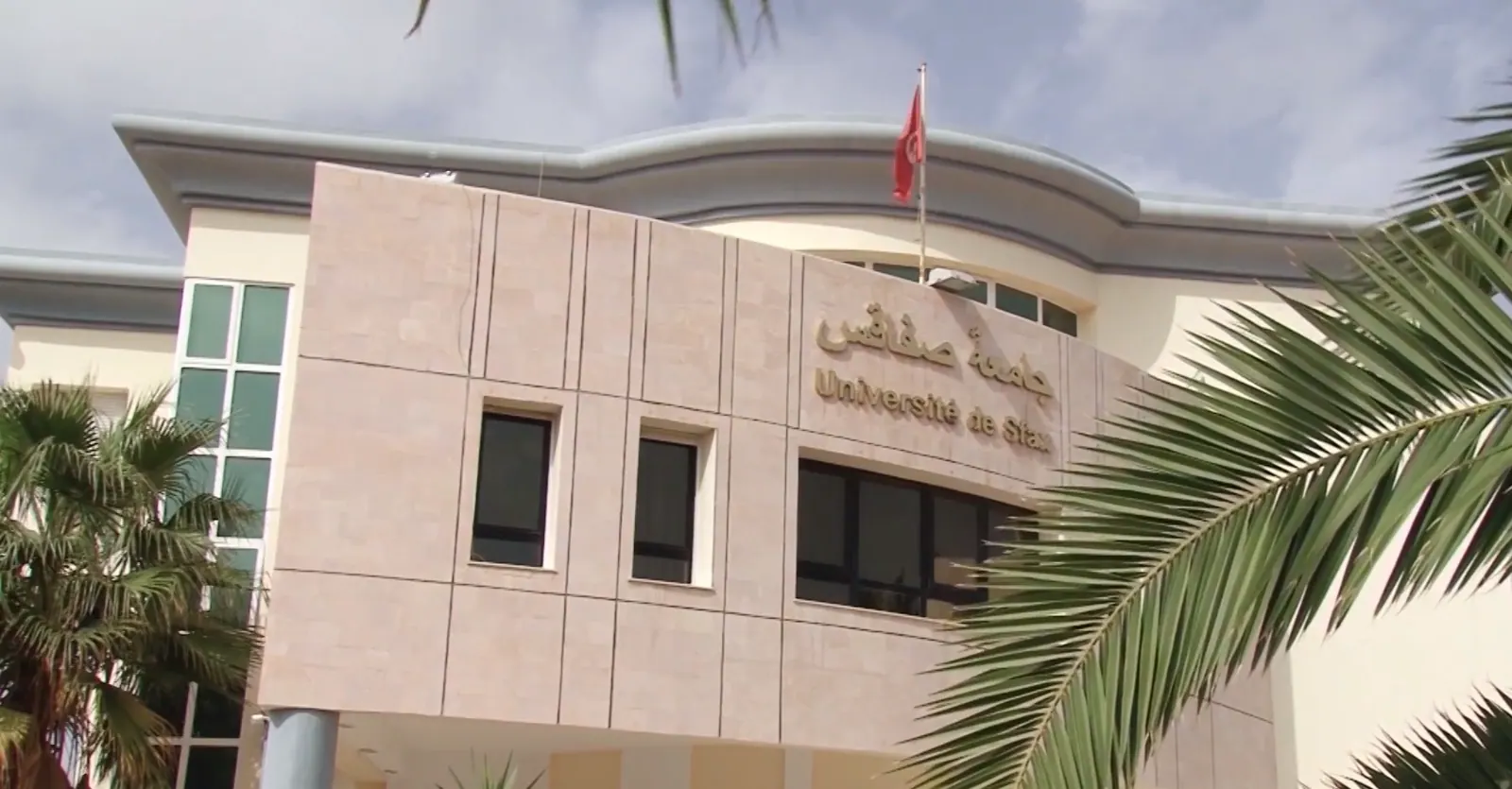
The University of Sfax has recently convened a meeting of its Scientific Research Ethics Committee, bringing together members to discuss several matters related to its establishment and organization. During the meeting, attendees approved a draft decision to create the Committee for Ethics in Scientific Research at the University of Sfax (CERS-US). They also endorsed a draft decision to define the committee's composition.
The committee's establishment is part of the University of Sfax's efforts to promote the principles of integrity, responsibility, and ethics in scientific research. By setting up this committee, the university aims to enhance the quality of scientific research and ensure adherence to internationally recognized scientific and ethical standards. This move demonstrates the university's commitment to fostering a culture of research excellence.
The meeting also involved the development of essential documents to govern the committee's operations, including its internal regulations and a charter for scientific research ethics. Furthermore, the committee began preparing a file for requesting project studies and files, as well as a model decision in Arabic, French, and English. These documents will provide a framework for the committee's work and ensure consistency in its decision-making processes.
The University of Sfax, established in August 1986 as the University of the South, has undergone several transformations over the years. Following the creation of the universities of Gabès and Gafsa, its scope was limited to the university institutions in Sfax, and it was subsequently renamed the University of Sfax. Today, the university comprises around 20 institutions, including faculties, schools, and higher institutes, offering a diverse range of programs.
The university's diverse range of programs reflects its multidisciplinary nature and its engagement with the economic, social, and professional environment. Its institutions cover various fields, including medicine, science, economics, management, arts, humanities, law, engineering, and technology. This diversity enables the university to cater to the needs of its students and the broader community.
The establishment of the Scientific Research Ethics Committee is a significant step towards ensuring that research conducted at the University of Sfax meets the highest ethical standards. By promoting a culture of research integrity, the university can contribute to the advancement of knowledge and address the complex challenges facing society. The committee's work will be crucial in guiding researchers and ensuring that their work is conducted in an ethical and responsible manner.
The University of Sfax's efforts to promote research excellence and ethics are part of a broader national initiative to enhance the quality of education and research in Tunisia. The country's education sector has been working to improve its standards and infrastructure, with a focus on promoting innovation and entrepreneurship. The University of Sfax's commitment to research ethics is a positive step towards achieving these goals and contributing to the country's development.
Key points
- The University of Sfax is establishing a Scientific Research Ethics Committee to promote research integrity and ethics.
- The committee will develop and implement guidelines for research ethics and ensure adherence to international standards.
- The university's efforts are part of a broader national initiative to enhance education and research quality in Tunisia.