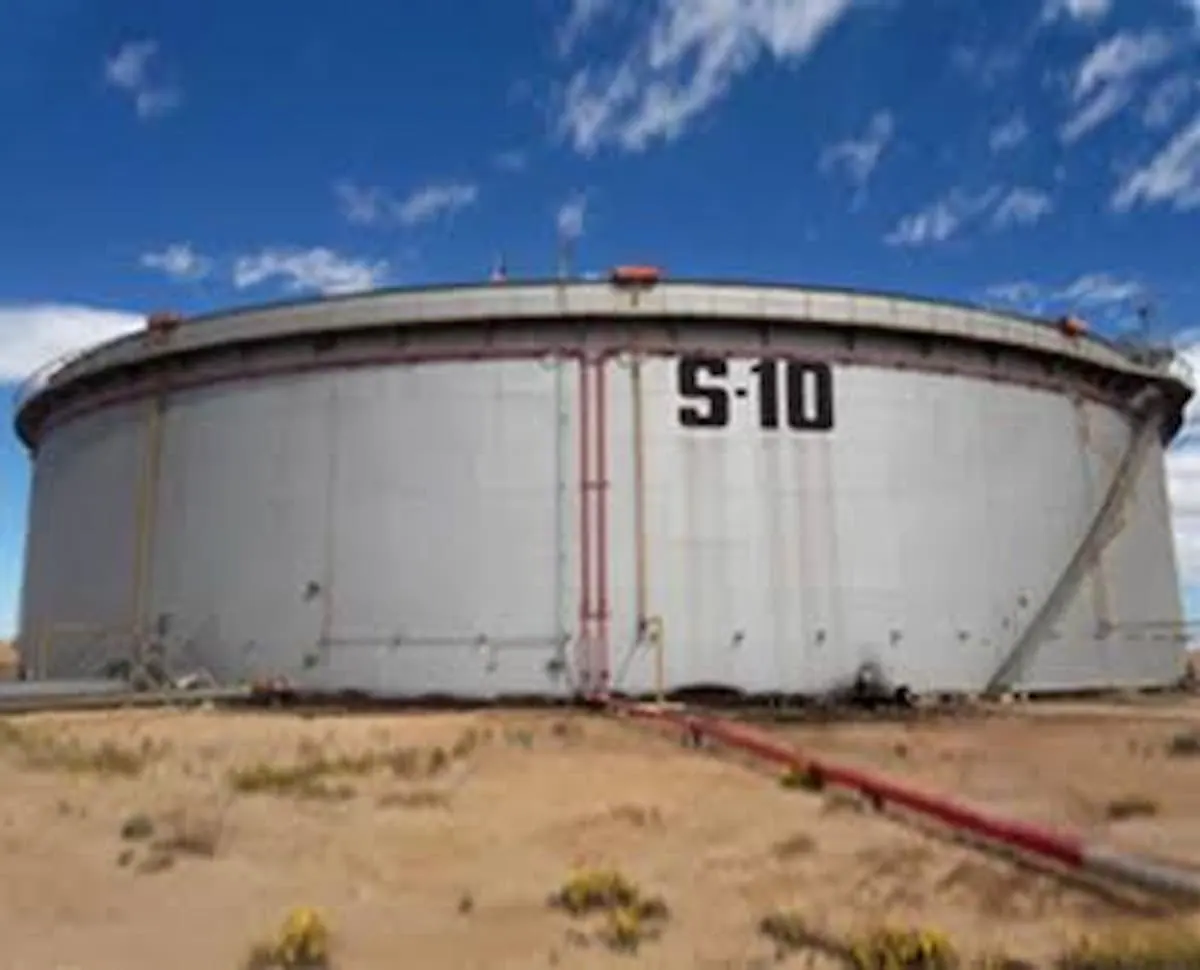
The Compagnie des transports par pipelines au Sahara (TRAPSA), a Tunisian company responsible for transporting, storing, and loading crude oil, will not be listed on the stock exchange for now. According to the Ministry of Industry, Mines, and Energy, this decision is due to the company's strategic role and the need to ensure the continuity of public service and national energy supply security.
The Ministry of Industry, Mines, and Energy justifies its exclusion of TRAPSA from the stock exchange by citing the company's specificity and strategic importance. The ministry is responsible for ensuring the country's energy supply and has deemed it essential to keep TRAPSA under state control. This decision was made in response to a question from Deputy Fatma Mseddi regarding the company's governance, profitability, and financial situation.
TRAPSA is a public enterprise categorized as "A" and operates under the Tunisian-French convention of 1958 and the 1985 law. The company's business model is based on contracts with regularly revised tariffs to reflect changes in operating costs and economic indicators. Recently, several agreements have been updated to reflect the current market conditions.
The company's development plan for 2026-2030 includes a significant modernization program for its infrastructure, covering pipeline maintenance, maritime equipment, and storage facilities. The plan also involves constructing two new basins with capacities of 35,000 m³ and 5,000 m³. These investments aim to enhance security measures, protect the environment, and digitalize operations.
According to the Ministry of Industry, Mines, and Energy, TRAPSA's investments will also focus on strengthening public control over operations. The company's strategic role in ensuring Tunisia's energy supply is deemed essential, and the government has decided to maintain control over its operations. This approach is expected to ensure the continuity of public service and the security of the country's energy supply.
TRAPSA's activities are crucial to Tunisia's energy sector, and its operations have a significant impact on the country's economy. The company's decision to remain off the stock exchange reflects the government's cautious approach to managing strategic assets. By maintaining control over TRAPSA, the government aims to ensure the stability and security of Tunisia's energy supply.
The Ministry of Industry, Mines, and Energy has confirmed that TRAPSA's exclusion from the stock exchange is not a permanent decision and may be reviewed in the future. However, for now, the company's strategic role and importance to Tunisia's energy supply take precedence over potential financial gains from a stock exchange listing.
Key points
- - TRAPSA will not be listed on the stock exchange due to its strategic role in Tunisia's energy supply. - The company's development plan for 2026-2030 includes significant investments in modernizing its infrastructure. - TRAPSA's operations are crucial to Tunisia's energy sector, and the government has decided to maintain control over its operations.