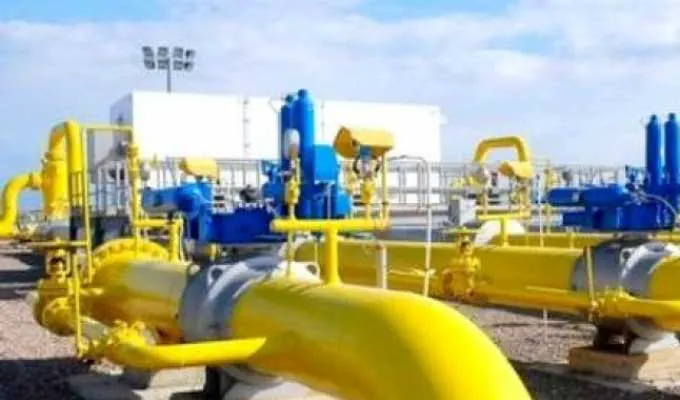
The Compagnie des transports par pipelines au Sahara (TRAPSA), a Tunisian public company, has announced plans to modernize its infrastructure between 2026 and 2030. The company, which specializes in the transportation, storage, and loading of crude oil, as well as petroleum and maritime services, will focus on maintaining its pipeline, maritime equipment, and storage facilities. This move aims to improve the efficiency and safety of its operations.
According to the Ministry of Industry, Mines, and Energy, TRAPSA's modernization plan includes the construction of two new basins with capacities of 35,000 m³ and 5,000 m³. The company will also enhance its security measures, protect the environment, and digitalize its activities. These investments are part of TRAPSA's development plan, which seeks to upgrade its infrastructure and improve public control over its operations.
TRAPSA is a strategic company regulated by a 1958 Tunisian-French convention and a 1985 law. Its business model relies on periodically revised contracts and tariffs to account for changes in operating costs and economic indicators. Recently, several agreements have been updated to reflect these changes. The company's role in ensuring the continuity of public service and national energy security has led the government to exclude the possibility of introducing TRAPSA to the stock market.
The Ministry of Industry, Mines, and Energy has confirmed that there are no plans to introduce TRAPSA to the stock market. This decision is due to the company's specific nature, strategic role, and the need to guarantee the continuity of public service and national energy security. The ministry provided this clarification in response to a question from Deputy Fatma Mseddi regarding TRAPSA's governance, profitability, and financial situation.
TRAPSA's operations are critical to Tunisia's energy sector, and the company's modernization plan is expected to have a positive impact on its performance. The plan will enable TRAPSA to improve its efficiency, safety, and environmental protection measures. By investing in its infrastructure, TRAPSA aims to maintain its position as a key player in the country's energy industry.
The Tunisian government has been working to improve the country's energy sector, and TRAPSA's modernization plan is part of these efforts. The plan aligns with the government's goals to enhance the efficiency and safety of the country's energy infrastructure. By upgrading its facilities and equipment, TRAPSA will be better equipped to meet the country's energy demands.
The modernization plan is expected to be completed by 2030, and TRAPSA will continue to play a vital role in Tunisia's energy sector. The company's commitment to improving its operations and infrastructure will contribute to the country's economic growth and energy security. With its strategic importance and modernization plans, TRAPSA remains a key player in Tunisia's energy industry.
Key points
- TRAPSA has no plans for stock market introduction due to its strategic role and the need to guarantee public service continuity and national energy security.