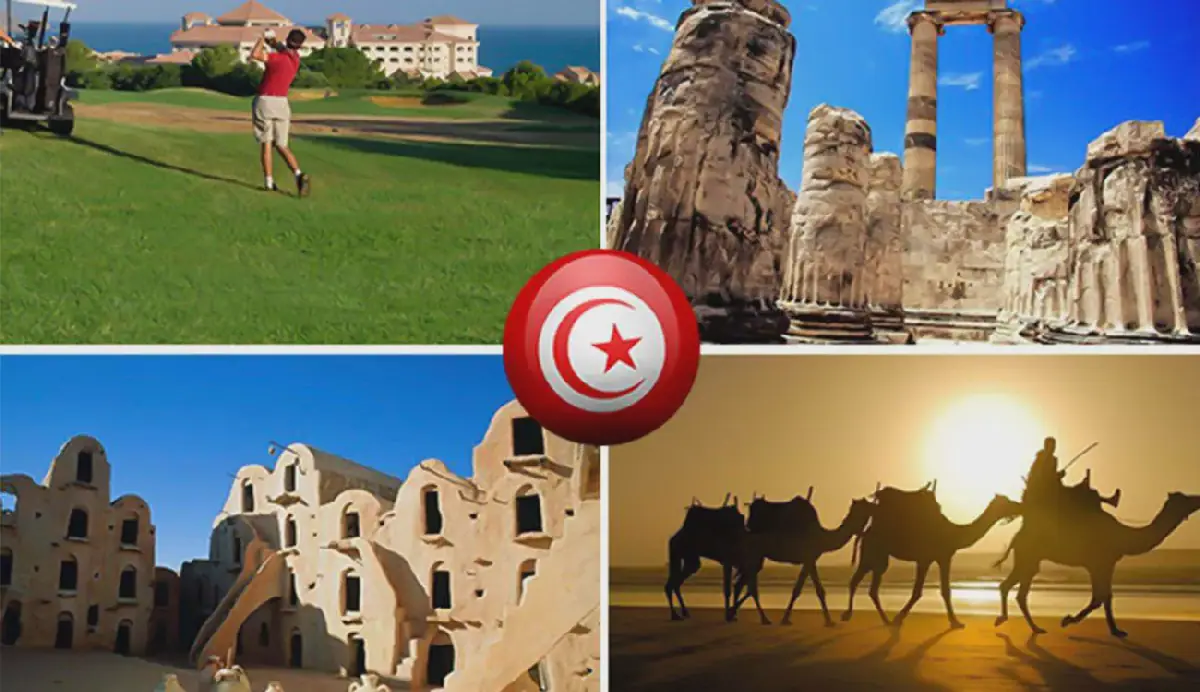
Tunisia's tourism sector is facing significant challenges, including environmental pressures and the limitations of its current model, which is heavily reliant on beach tourism. The industry is being urged to undergo a profound transformation to ensure its long-term sustainability. This involves diversifying its offerings, preserving resources, and increasing the involvement of local actors. According to La Presse, the Mediterranean tourism industry is under pressure to rethink its economic model due to environmental concerns, climate change, and the saturation of popular destinations.
The current model of tourism in Tunisia is showing signs of exhaustion, with a focus on volume rather than value. This approach has led to the overconsumption of water, urbanization of coastal areas, and degradation of ecosystems, ultimately threatening the attractiveness and profitability of investments. To address these challenges, the sector needs to shift towards a more sustainable model that prioritizes the creation of jobs, involvement of local actors, and better distribution of economic benefits. This will require a collaborative effort from hotels, suppliers, public authorities, and local communities.
Manel Ben Ismail, responsible for sustainable development at a Spanish hotel group, emphasized the importance of adopting a sustainable tourism model that balances economic performance, environmental protection, and social responsibility. The group, which operates in over 14 countries with more than 100 hotels, aims to make sustainable tourism a key driver of economic development. This approach involves partnering with local schools, cooperatives, and producers to promote responsible tourism practices and support local communities. In Tunisia and Morocco, the group has established partnerships with local organizations to promote sustainable tourism.
According to Ben Ismail, the transformation of the tourism sector cannot be achieved individually by companies, but requires close cooperation between stakeholders. This involves sharing best practices, promoting responsible tourism, and integrating local communities into the tourism value chain. In Tunisia, over 45 hotels are participating in initiatives to share best practices, while collaborations with training institutions aim to prepare future professionals for the demands of responsible tourism. Ben Ismail also stressed the need to support local cooperatives and small producers to promote entrepreneurship and create jobs.
Mohamed Souissi, a researcher specializing in tourism and territorial development, noted that Tunisia has relied heavily on tourism since the 1960s, with over 11 million visitors in 2025. However, the sector remains largely dependent on beach tourism, package tours, and a concentrated offer on the coast. This model is now showing its limitations, including intense competition, dependence on international tour operators, and fragility in the face of crises. Souissi emphasized the need for a profound reorientation of the tourism model to respond to new market demands and territorial development challenges.
Souissi also highlighted the environmental pressures facing Tunisia's tourism sector, including coastal urbanization, beach erosion, and degradation of marine ecosystems. These challenges directly threaten the attractiveness of destinations and the sustainability of tourism investments. To address these issues, Souissi advocates for the diversification of tourism products, including the valorization of historical, cultural, and natural heritage through rural, ecological, and community tourism. This approach can stimulate local economies, create jobs, and promote more equitable distribution of sector benefits.
The Tunisian tourism sector faces significant challenges, but also opportunities for growth and development. By adopting a sustainable tourism model, the sector can contribute to the country's economic development while preserving its natural resources and promoting social responsibility. The government, private sector, and local communities must work together to promote responsible tourism practices and ensure the long-term sustainability of the sector. This will require a coordinated effort to address the challenges facing the sector and capitalize on emerging opportunities.
Key points
- The Tunisian tourism sector must adopt a sustainable model to address environmental pressures and limitations of its current model.
- The sector needs to diversify its offerings, preserve resources, and increase the involvement of local actors to ensure its long-term sustainability.
- Collaboration between stakeholders, including hotels, suppliers, public authorities, and local communities, is essential to promote responsible tourism practices and support local communities.
Reporting sources
- Tourisme tunisien – Modèle touristique : À réinventer au-delà du balnéaire · La Presse de Tunisie