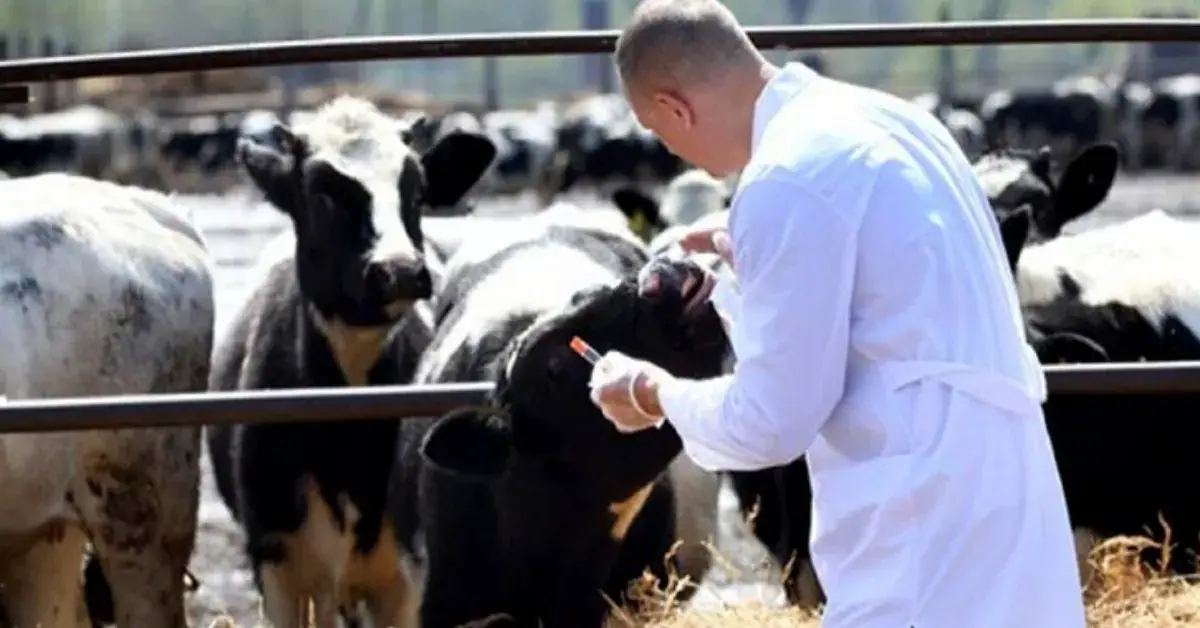
The Tataouine region in southern Tunisia has reported zero cases of foot-and-mouth disease, according to Shimaa Boubaker, head of the animal production department at the regional agricultural development office. The region's livestock, including 350 cattle and 630,000 small ruminants, have been fully vaccinated against the disease this year. Boubaker emphasized that foot-and-mouth disease is a viral animal disease that primarily affects cattle and can be transmitted to small ruminants, but not to humans.
The disease is caused by a highly contagious virus, and its new variant is particularly concerning due to its rapid spread. To prevent the disease, authorities stress the importance of vigilance among farmers and animal owners. Specifically, they advise against keeping animals of unknown origin and isolating infected animals from healthy ones. These measures aim to minimize the risk of transmission and prevent potential outbreaks.
In an effort to enhance public awareness and preparedness, the regional health authority has launched a green phone number, 80106977, for the public to report any concerns or inquiries related to food safety. Authorities emphasize that adhering to safety protocols when handling livestock is crucial in preventing the spread of various diseases, including foot-and-mouth disease.
The regional authorities, led by Governor Amir Al-Qabsi, are taking proactive measures to prevent the spread of foot-and-mouth disease and mitigate its potential impact on the region's livestock, production, and export systems. The governor stressed the importance of coordination with veterinary services and specialized agencies to enhance field monitoring and response.
According to Boubaker, the situation in Tataouine remains stable, with no reported cases of foot-and-mouth disease. The region's animal health services continue to monitor the situation closely and implement preventive measures to protect the local livestock population. The vaccination campaign, which covered all eligible animals, has contributed to the region's favorable situation.
The regional authorities' efforts focus on maintaining vigilance and preparedness to address potential health risks. By working closely with farmers, animal owners, and relevant agencies, they aim to ensure the continued health and well-being of the region's livestock. This approach also seeks to safeguard the local agricultural sector and minimize potential economic impacts.
The collaboration between regional authorities, farmers, and animal health services is crucial in preventing the spread of foot-and-mouth disease and maintaining the region's animal health status. Through sustained efforts and vigilance, the Tataouine region aims to remain free from this disease and protect its livestock population.
Key points
- The Tataouine region has reported zero cases of foot-and-mouth disease, with authorities attributing this to comprehensive vaccination efforts.
Reporting sources
- تطاوين: صفر إصابة بمرض الحمى القلاعية · Diwan FM