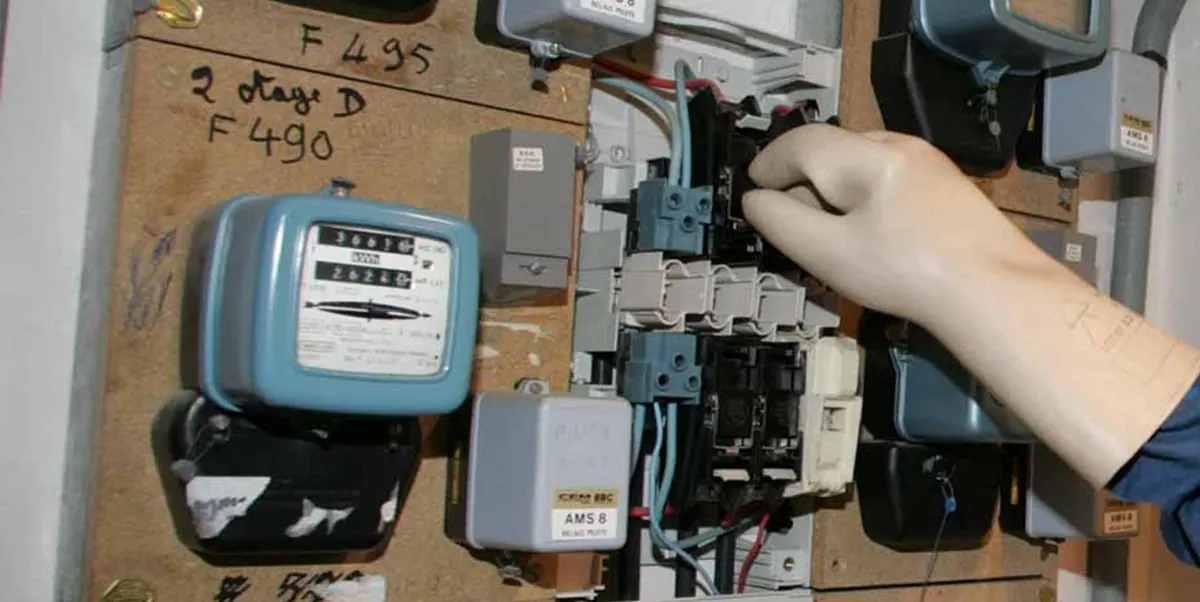
A recent report has revealed that approximately 19% of the electricity produced by Tunisia's Société tunisienne de l'électricité et du gaz (STEG) is not being accounted for in its sales. This translates to a substantial loss of revenue for the state-owned company. According to a source familiar with the matter, these losses can be attributed to technical losses in the network and illegal consumption.
Technical losses account for 12% of the total electricity produced, primarily due to inefficiencies in the transportation and distribution of electricity across the network. These losses occur during the transmission process before the electricity reaches consumers. On the other hand, about 7% of the electricity produced is consumed illegally through unauthorized connections and diversions, without being reflected in STEG's billing.
The issue of illegal consumption has significant financial implications for STEG, as it results in a direct loss of revenue. The electricity produced and transmitted incurs costs, but does not generate corresponding income. This challenge is compounded by the company's substantial unpaid debts. As of June 23, 2026, STEG's outstanding receivables from clients stood at approximately 6.061 billion dinars.
The company's financial struggles are further highlighted by the fact that its total unpaid debts have now risen to around 6.5 billion dinars. This substantial amount poses a considerable challenge for STEG, which must cover the costs associated with electricity production while also dealing with unaccounted-for consumption.
The situation underscores the need for STEG to address both technical losses and illegal consumption to improve its financial sustainability. By reducing these losses, the company can increase its revenue and better manage its debts. This is crucial for ensuring a stable and efficient electricity supply in Tunisia.
The issue of unpaid debts and electricity losses has significant implications for Tunisia's energy sector. It highlights the need for effective measures to tackle these challenges and ensure the financial viability of STEG. The company's financial struggles can have far-reaching consequences, affecting not only its operations but also the overall economy.
In related news, Maher Kettari has stated that STEG is facing a deficit of around 3.5 billion dinars. This financial strain is a pressing concern for the company and the Tunisian government, which must work together to find solutions to these challenges and ensure a stable energy supply for the country.
Key points
- 19% of electricity produced by STEG not accounted for in sales
- Technical losses and illegal consumption major contributors to losses
- STEG's unpaid debts stand at approximately 6.5 billion dinars