The UN Security Council on October 30, 2026, decided not to renew the mandate of the United Nations Mission for the Organization of a Referendum in Western Sahara (MINURSO). This move marks a significant shift in the international approach to the Western Sahara issue, with Morocco hailing it as a major step towards resolving the dispute in its favor.
According to a statement from the Royal Cabinet in Rabat, the decision signifies a substantial change in the management of the Western Sahara issue, moving from a mere administrative approach to one focused on profound transformation. The statement expressed satisfaction with the development, emphasizing that it paves the way for the closure of the Western Sahara dossier at the UN.
The decision was met with a veto from Russia, while eleven members of the Security Council supported the resolution. China, Pakistan, and Somalia abstained from the vote. Morocco views the non-renewal of MINURSO's mandate as a clear indication that the mission's presence in the southern region of the kingdom must come to an end.
The Moroccan government stated that the 35-year-old mission has outlived its purpose and served as an instrument for internationalizing the regional dispute over Morocco's legitimate claim to its Saharan provinces. Rabat expects this development to lead to the removal of the issue from the Security Council's agenda and the cessation of periodic meetings and reports on Western Sahara.
Morocco's satisfaction with the decision is rooted in its belief that over two-thirds of UN member states, including permanent Security Council members and influential international powers, support its autonomy initiative within its sovereignty. The country hopes this international momentum will continue at bilateral and regional levels.
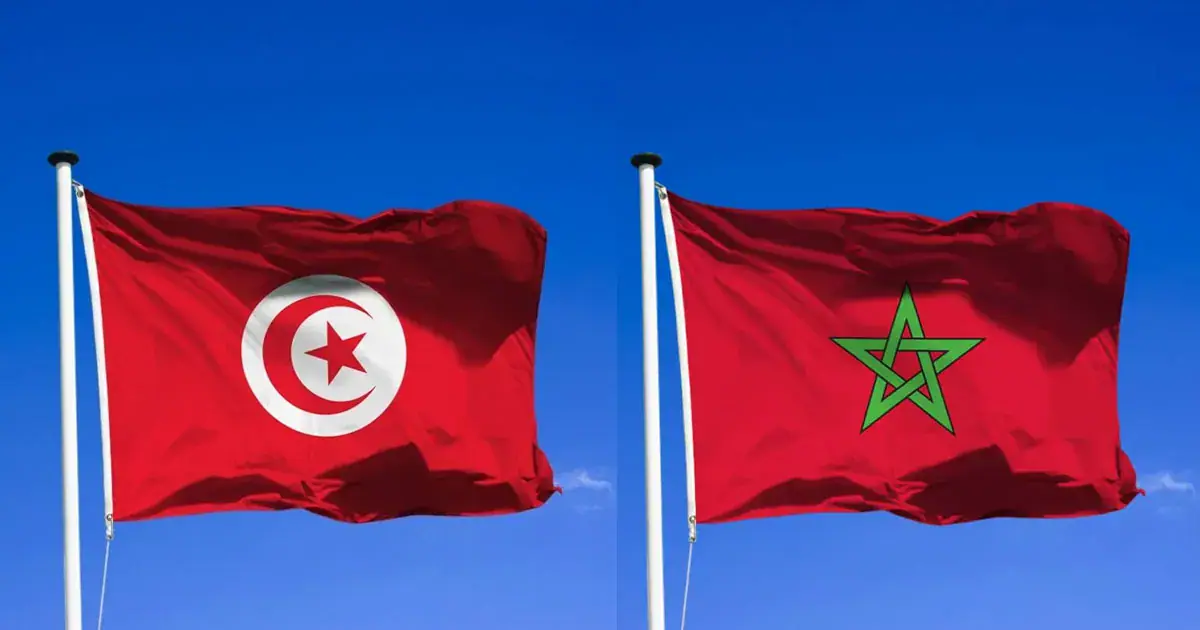
The decision raises questions about Tunisia's stance on Western Sahara, particularly after a diplomatic crisis in August 2022 when Tunisian President Kaïs Saïed hosted the leader of the Polisario Front, Brahim Ghali. This move strained relations with Morocco, which recalled its ambassador, and has since led to a prolonged freeze in diplomatic ties between the two nations.
With most of its international partners, especially Western countries like the US and France, recognizing Moroccan sovereignty over Western Sahara, Tunisia faces pressure to reassess its position. It remains to be seen whether Tunisia will adjust its stance to align with the evolving international landscape or maintain its claimed neutrality on the issue.
Key points
- The UN Security Council's decision not to extend the MINURSO mission marks a significant shift in the international approach to Western Sahara.
- Morocco views the decision as a major step towards resolving the Western Sahara dispute in its favor.
- Tunisia's position on Western Sahara is under scrutiny following a diplomatic crisis with Morocco in 2022.