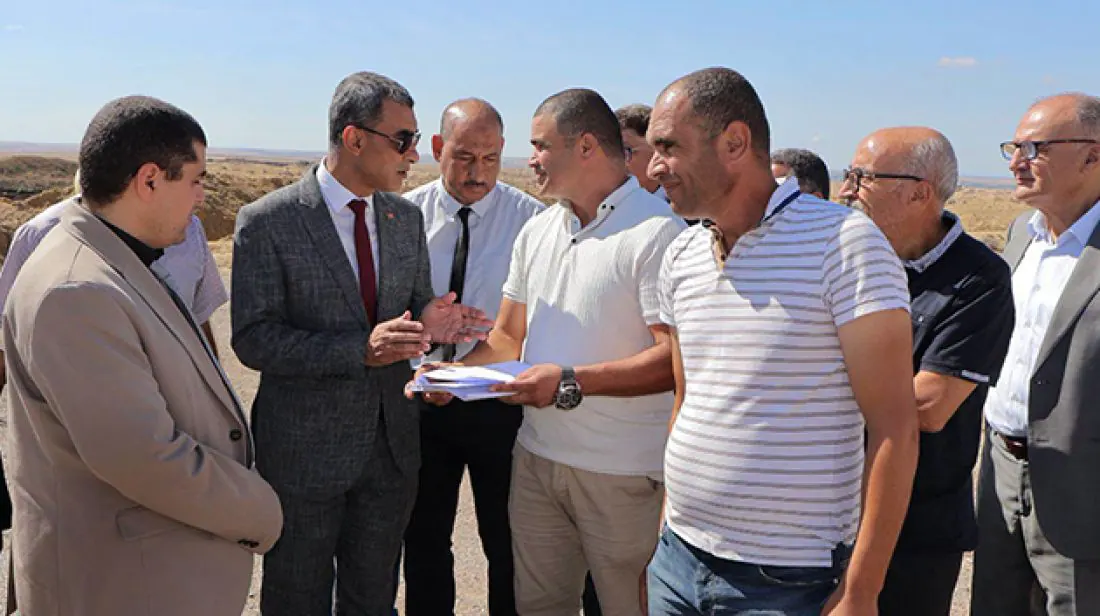
Tunisia's Sousse governorate has begun preparations for the 2026-2027 olive harvest season. Governor Sufyan Al-Tanfuri recently conducted a site visit to assess the readiness of various stakeholders and ensure optimal conditions for a successful harvest. The visit aimed to guarantee the quality of olive oil and proper disposal of olive pomace, minimizing potential environmental risks. This proactive approach is part of the governorate's efforts to monitor and prepare for the upcoming season.
The visit followed a series of site inspections and monitoring by the Regional Technical Committee, which began on September 21, 2026. The committee examined olive pomace disposal sites in the region to ensure they can handle the expected quantities. Governor Al-Tanfuri's visit included a stop at the National Olive Oil Center in Sousse, where he reviewed storage conditions and available capacities. He also listened to data related to preparations for the season, which is expected to yield a significant harvest.
The National Olive Oil Center in Sousse has a capacity of approximately 20,000 tons. Governor Al-Tanfuri also visited several olive pomace disposal sites, including those in Al-Haniaa, Al-Qal'a Al-Kubra, and Wurima in Sidi Bou Ali. The four disposal sites in Sousse governorate have a combined capacity of around 275,000 tons, requiring careful planning, maintenance, and monitoring to ensure smooth operations and environmentally friendly disposal practices.
During his visit, Governor Al-Tanfuri listened to concerns and proposals from disposal site owners, emphasizing the importance of coordination among stakeholders and early intervention to address potential issues. He stressed the need to complete all maintenance work and take necessary measures to provide the required capacity before the start of the olive harvest season. The governor also highlighted the importance of monitoring, supervision, and proactive intervention to prevent any issues that may impact the season's success.
Authorities in Sousse governorate are working to ensure a successful olive harvest season, with a focus on quality, environmental sustainability, and efficient logistics. The governorate's efforts aim to support local farmers and olive oil producers, who play a significant role in Tunisia's economy. By inspecting facilities and engaging with stakeholders, the authorities can identify and address potential challenges, ensuring a smooth and productive harvest season.
Tunisia is a significant producer of olive oil, with the country's olive harvest season typically taking place between October and December. The sector is an essential part of Tunisia's agricultural industry, with many farmers and producers relying on olive oil production as a source of income. The Sousse governorate's preparations for the 2026-2027 season demonstrate the country's commitment to supporting its agricultural sector and promoting sustainable practices.
As the 2026-2027 olive harvest season approaches, authorities in Sousse governorate remain focused on ensuring a successful and sustainable harvest. With careful planning, coordination, and monitoring, the governorate aims to achieve a productive and environmentally friendly season, benefiting local farmers, producers, and the broader community.
Key points
- Authorities in Tunisia's Sousse governorate are preparing for the 2026-2027 olive harvest season, inspecting facilities and engaging with stakeholders to ensure a successful and sustainable harvest.