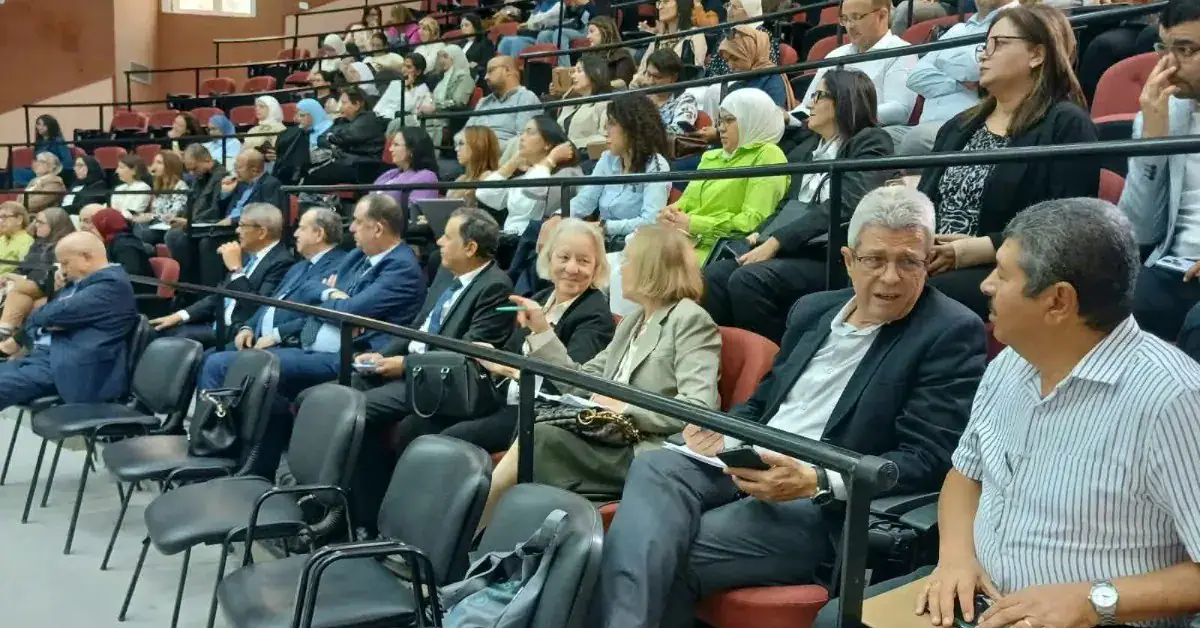
The Regional Health Administration of Sfax, Tunisia, recently organized a scientific day on the topic of international nonproprietary names for medicines in medical and pharmaceutical practice. The event, held on November 14, 2026, at the Sfax Faculty of Medicine, brought together over 150 doctors, pharmacists, and dentists. The meeting was conducted in collaboration with the International Nonproprietary Name school of Monastir, the Regional Council of the Pharmacists' Association of Sfax, Sidi Bouzid, and Kasserine, and the faculty of medicine of the region.
The scientific day featured a series of lectures and interactive discussions that focused on the concept of international nonproprietary names and its significance in standardizing practices. The event also emphasized the importance of integrating this concept into training, education, and professional practice, as well as in various stages of patient care. Representatives from pharmaceutical manufacturing institutions, regulatory agencies, and social security funds participated in the discussions.
The meeting highlighted the crucial role of adopting international nonproprietary names in reducing medication errors, preventing risks associated with confusing medicinal products, and promoting patient safety. The adoption of this system is also expected to contribute to rationalizing pharmaceutical spending, improving the efficiency of the healthcare system, and enhancing the quality of services provided to citizens.
The Regional Health Administration of Sfax emphasized that this scientific day was an opportunity for medical professionals to exchange ideas, share experiences, and strengthen their knowledge on the topic of international nonproprietary names. The event also provided a platform for participants to discuss challenges and opportunities related to the implementation of this system in Tunisia.
The International Nonproprietary Name school of Monastir and the Regional Council of the Pharmacists' Association of Sfax, Sidi Bouzid, and Kasserine were key partners in organizing the scientific day. Their involvement ensured that the event was well-structured and provided valuable insights into the topic.
The discussions during the scientific day focused on the benefits of using international nonproprietary names, including improved patient safety, reduced medication errors, and enhanced pharmacovigilance. The participants also explored ways to promote the adoption of this system in Tunisia, including education and training programs for healthcare professionals.
The Regional Health Administration of Sfax plans to build on the momentum generated by the scientific day by continuing to promote the adoption of international nonproprietary names in the region. The administration will work closely with healthcare professionals, regulatory agencies, and pharmaceutical manufacturers to ensure that the benefits of this system are realized.
Key points
- The event highlighted the importance of adopting international nonproprietary names in reducing medication errors and promoting patient safety.