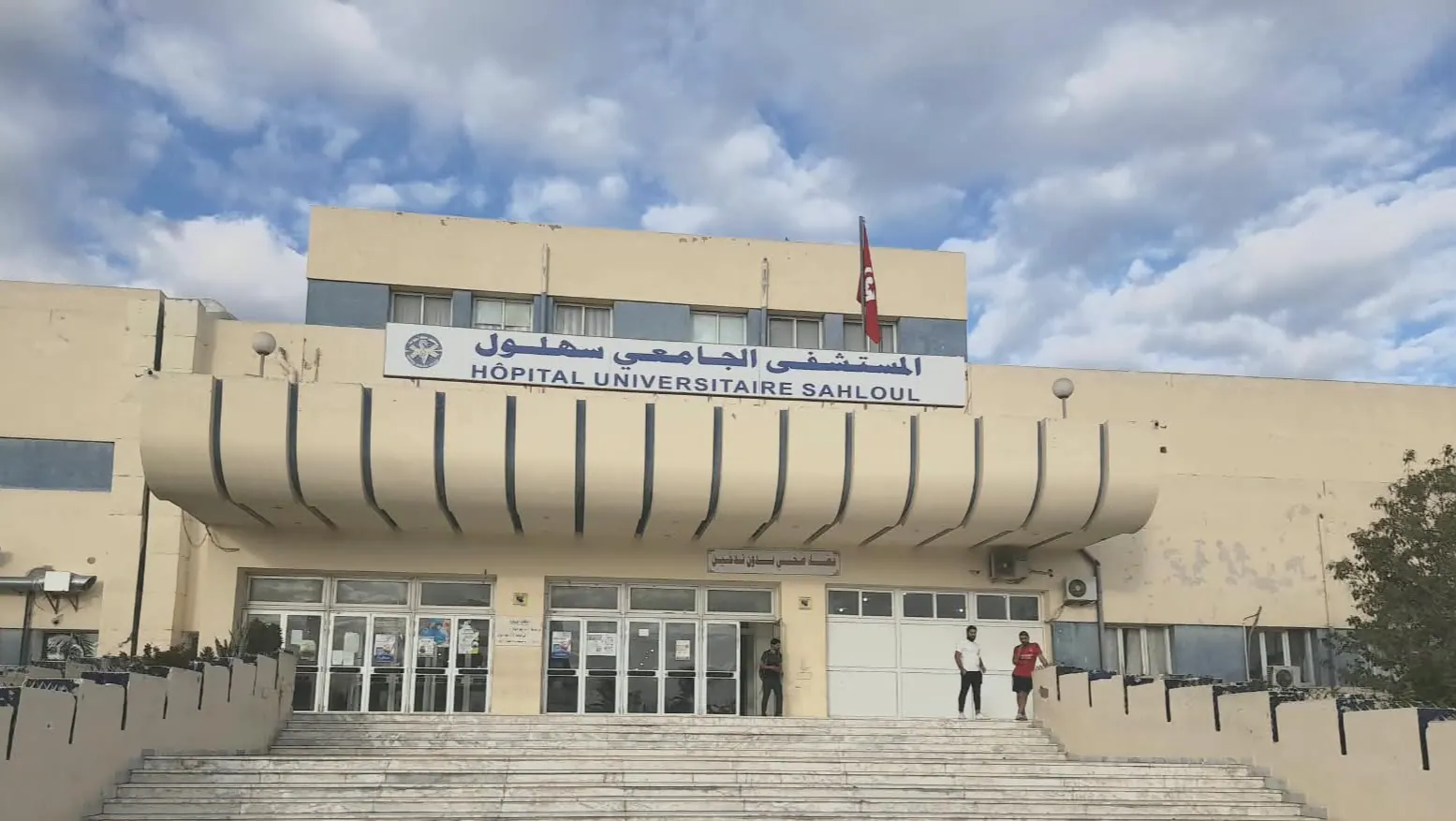
Tunisia's Sahloul Hospital has emerged as a frontrunner in implementing the national health identifier, a crucial component of the country's healthcare transformation. As of October 6, 2026, the hospital has successfully unified 180,000 health identifiers. This milestone was announced during a working session held at the hospital, chaired by its General Director, Shouki Ben Hammouda. The session brought together several high-ranking officials to assess the progress of the national health identifier project.
The working session focused on evaluating the project's advancement and addressing specific challenges that require technical and organizational solutions. Participants agreed on adopting a unified methodology to overcome these hurdles, ensuring the project's continued implementation with the required efficiency. The national health identifier is a vital element in Tunisia's healthcare digitalization efforts, enabling the standardization and linking of patients' health data.
The implementation of the national health identifier at Sahloul Hospital is part of a broader effort to enhance patient care and safety. By providing healthcare providers with access to essential medical information, the system facilitates informed decision-making and streamlined care. This, in turn, contributes to improved health outcomes and better patient experiences. The hospital's commitment to digitalizing healthcare services underscores its dedication to delivering high-quality care.
The national health identifier is a cornerstone of Tunisia's healthcare transformation, allowing for the integration of patient data across different healthcare facilities. This enables healthcare providers to access patients' medical histories, regardless of their geographical location or the healthcare facility they visit. By doing so, the system promotes continuity and coordination of care, ultimately leading to better health outcomes.
Sahloul Hospital's efforts to implement the national health identifier are aligned with the country's broader healthcare goals. The hospital's leadership in this area demonstrates its commitment to staying at the forefront of healthcare innovation. By leveraging technology to improve patient care, Sahloul Hospital is setting a positive example for other healthcare facilities in Tunisia.
The implementation of the national health identifier has significant implications for patient care in Tunisia. By providing a unified and standardized system for managing patient data, the national health identifier enables healthcare providers to deliver more effective and efficient care. This, in turn, contributes to improved health outcomes and enhanced patient satisfaction.
As Tunisia continues to invest in its healthcare infrastructure, the implementation of the national health identifier at Sahloul Hospital serves as a model for other facilities. The hospital's success in unifying 180,000 health identifiers demonstrates the feasibility and benefits of this initiative. With continued support and investment, the national health identifier has the potential to transform Tunisia's healthcare landscape.
Key points
- Sahloul Hospital has unified 180,000 health identifiers as of October 6, 2026.
- The national health identifier is a crucial component of Tunisia's healthcare transformation.
- The system enables healthcare providers to access patients' medical histories, promoting continuity and coordination of care.