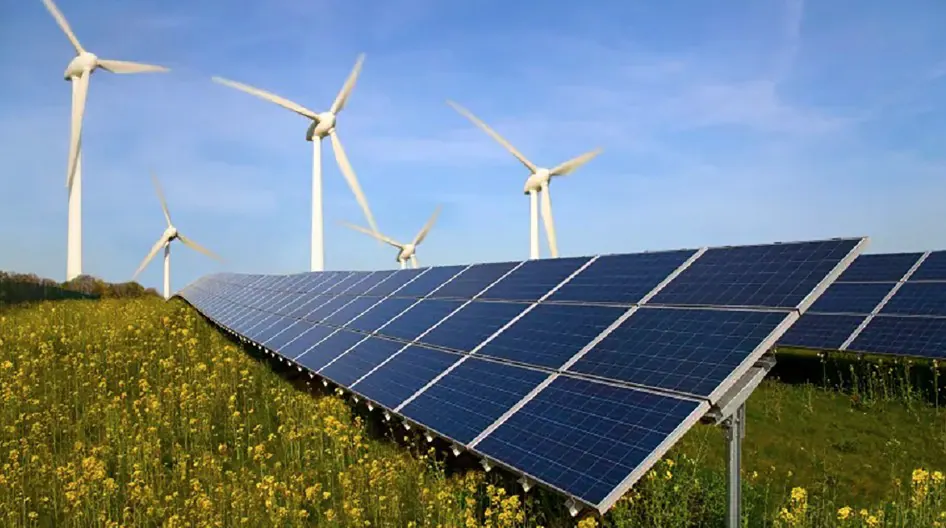
Tunisia's renewable energy sector has seen a significant surge in investment following the reform of its licensing system. According to Ali Al-Kanzari, head of the National Chamber of Photovoltaic Energy, the reform has led to a substantial increase in interest from Tunisian investors in renewable energy projects. The fifth and sixth rounds of evaluating requests for producing electricity from photovoltaic solar energy under the licensing system have resulted in the approval of projects for nearly 500 investors.
The approved projects have a total capacity of approximately 750 megawatts, reflecting the growing interest of the private sector in investing in renewable energy electricity production. Al-Kanzari noted that the licensing system has successfully attracted private investors, but the implementation of projects still faces several challenges, including connection to the electrical grid and administrative procedures. Additionally, there is a need for more reliable data on energy efficiency.
The statements come ahead of the fourth edition of the International Salon for Energy Transition, which will take place with the participation of over 60 companies and 10 start-ups, as well as foreign companies from Italy, Germany, and Libya. The event will feature six scientific workshops on investment programs, financing, energy efficiency, and hydrogen, among other topics. The meetings are expected to promote investments and partnerships in renewable energy projects.
The International Salon for Energy Transition aims to boost investments and partnerships in solar and wind power projects, as well as develop smart grids and create new job opportunities. Al-Kanzari emphasized that one of the main challenges facing the energy transition is accelerating the completion of major projects and improving coordination regarding grid connection. He also stressed the need for simplifying procedures, providing financing, and offering tax incentives.
Al-Kanzari proposed several measures to overcome these challenges, including the complete exemption of photovoltaic panels, inverters, and batteries from customs duties and value-added tax. He also suggested accelerating the digitalization of administrative procedures and licenses. Furthermore, he recommended reforming the self-production system for medium-voltage grid subscribers by abolishing the 30% cap and revising the electricity purchase tariff.
In addition, Al-Kanzari proposed launching a national program titled "Energy Citizenship," which aims to equip one million low-income families with free photovoltaic systems over five years, with an expected installed capacity of around 600 megawatts. This initiative is expected to contribute to the country's efforts to increase its renewable energy production and reduce its reliance on fossil fuels.
The growth of Tunisia's renewable energy sector is crucial for the country's energy security and sustainable development. With its abundant solar and wind resources, Tunisia has significant potential for renewable energy production. The government's efforts to reform the licensing system and promote investments in the sector are expected to contribute to the country's transition towards a more sustainable energy mix.
Key points
- Nearly 500 investors have been attracted to Tunisia's renewable energy sector in less than a year since the reform of its licensing system.
- The approved projects have a total capacity of approximately 750 megawatts.
- The sector still faces challenges, including connection to the electrical grid and administrative procedures.