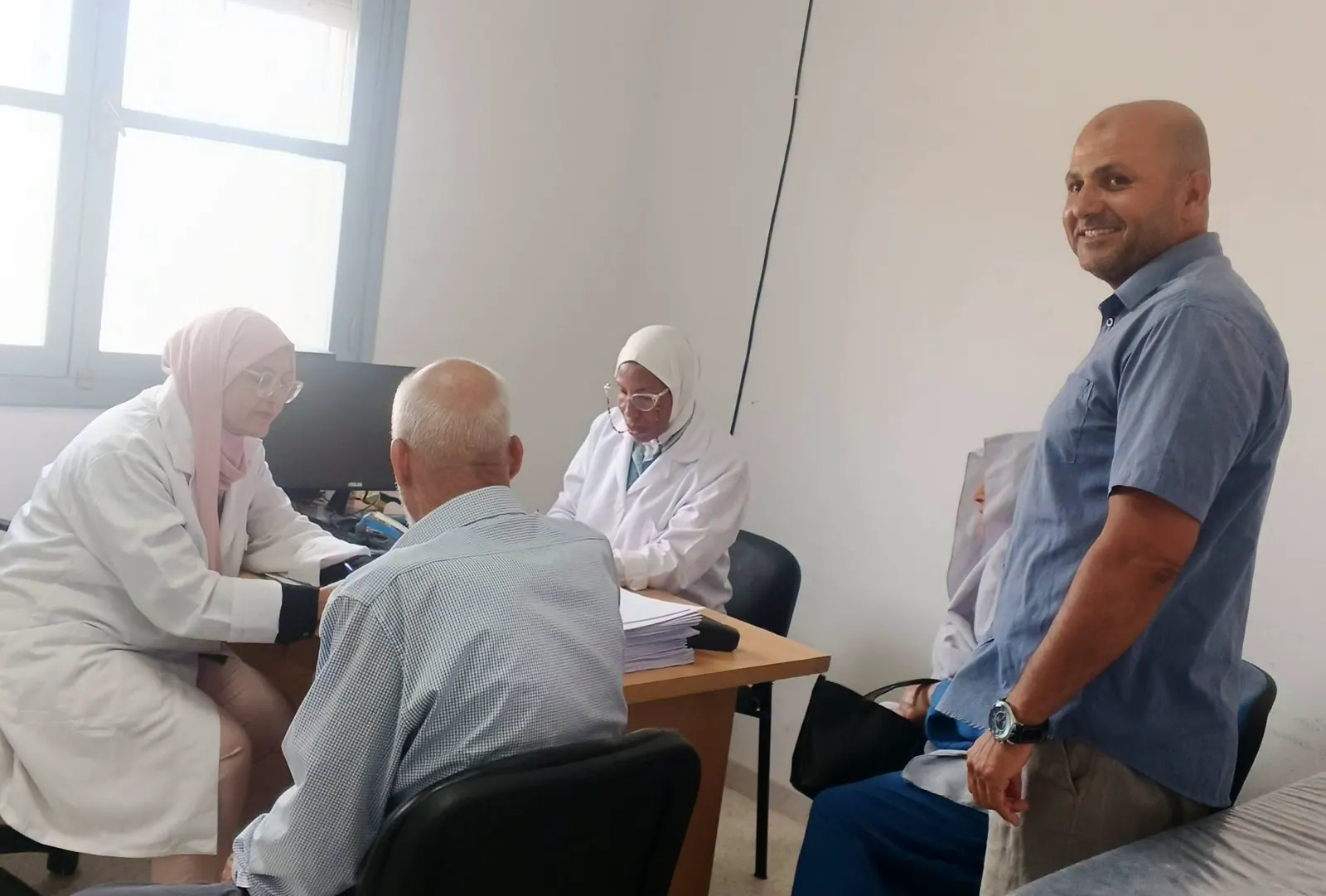
The regional department of religious affairs in Qebli, Tunisia, is making final preparations for the Hajj season, which is set to take place in 1448. According to the regional director of religious affairs, Aida Lagha, the department is working to complete medical examinations for all 335 registered pilgrims. This process is a crucial step in ensuring the health and well-being of pilgrims before they embark on their spiritual journey.
The Hajj season is a significant event for Muslims worldwide, and Tunisia's religious authorities are taking steps to ensure a smooth and successful experience for all pilgrims. The medical examinations are a mandatory requirement for all pilgrims, and the department is working diligently to complete the process. The examinations aim to identify any potential health risks and provide pilgrims with necessary vaccinations and medical care before their departure.
The regional department of religious affairs in Qebli is responsible for organizing and coordinating the Hajj season for pilgrims from the region. The department provides support and guidance to pilgrims throughout the process, from registration to departure. This includes providing information on travel arrangements, accommodation, and other essential services.
According to Lagha, the department is working closely with healthcare professionals to ensure that all pilgrims receive the necessary medical care. The medical examinations are being conducted in accordance with international health standards and regulations. The department is also providing pilgrims with information on health and safety guidelines to follow during their journey.
The Hajj season typically takes place in Saudi Arabia, and pilgrims from Tunisia are expected to travel to the holy cities of Mecca and Medina. The journey is a significant spiritual experience for many Muslims, and the Tunisian government is working to ensure that all pilgrims have a safe and enjoyable experience.
In addition to the medical examinations, the department is also providing pilgrims with information on cultural and logistical aspects of the Hajj season. This includes guidance on traditional practices, dress codes, and other essential information. The department is working to ensure that all pilgrims are well-prepared for their journey and can focus on their spiritual experience.
The Tunisian government has announced that it will continue to support and facilitate the Hajj season for its citizens. The government has allocated resources and personnel to ensure a smooth and successful experience for all pilgrims. With the medical examinations nearing completion, the 335 registered pilgrims from Qebli are one step closer to embarking on their spiritual journey.
Key points
- The regional department of religious affairs in Qebli is finalizing medical exams for 335 pilgrims ahead of the Hajj season.
- The medical examinations aim to identify potential health risks and provide pilgrims with necessary vaccinations and medical care.
- The Tunisian government is working to ensure a smooth and successful experience for all pilgrims, with the Hajj season set to take place in 1448.