Tunisia is rapidly embracing artificial intelligence (AI) technology, with its presence felt in various sectors, including businesses, schools, administrations, and media. While AI promises significant productivity gains and new entrepreneurial opportunities, it also raises crucial questions about the country's ability to control and understand this technology. The warnings about AI's potential risks are no longer limited to researchers and experts but are now coming from the leaders of companies developing the most powerful AI models.
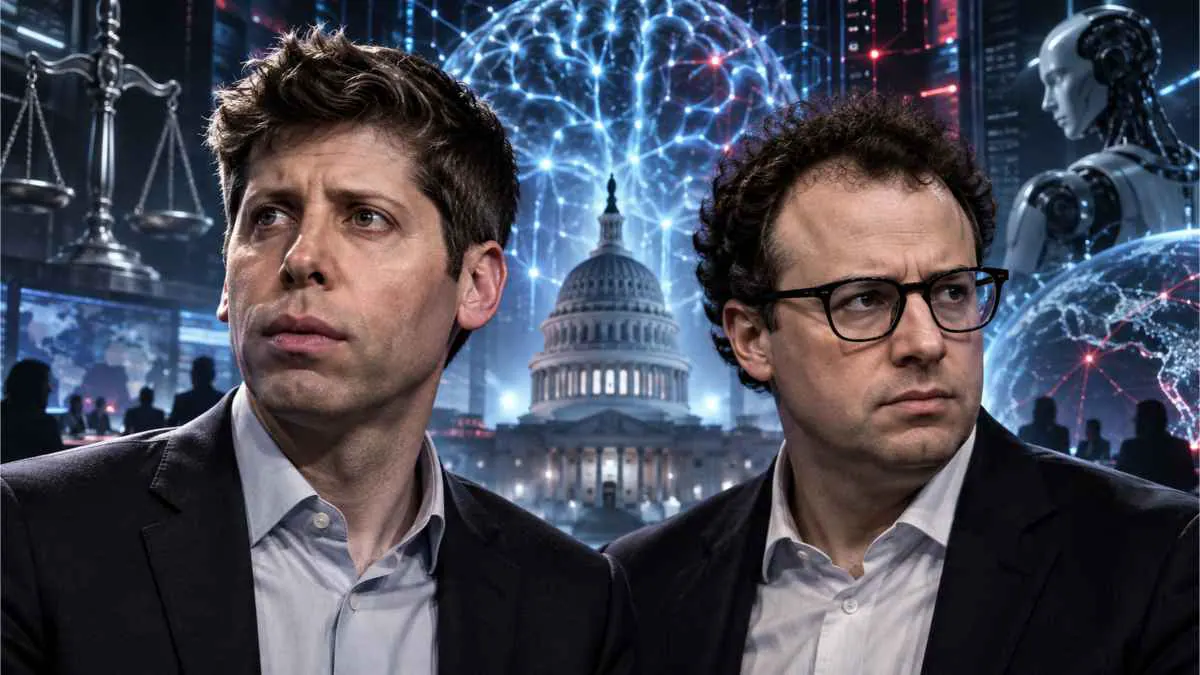
The heads of OpenAI and Anthropic, Sam Altman and Dario Amodei, respectively, have highlighted the rapid progress of AI capabilities, the need for independent controls, and the risk of AI systems advancing faster than humanity's ability to comprehend them. This has led to calls for a more cautious approach to AI adoption, with some advocating for stricter regulations and controls. The concerns are not limited to the technology itself but also its potential impact on the economy and society.
Tunisia's reliance on foreign-developed AI models and infrastructure has raised concerns about the country's sovereignty and dependence on external powers. The country's experience with energy dependence has shown that relying on others for critical technologies can be detrimental to national interests. The adoption of AI could exacerbate this issue, with Tunisian businesses and administrations potentially relying on foreign-owned platforms and infrastructure.
The impact of AI on education is another area of concern, with the potential for students to rely on AI-generated answers and solutions rather than developing their critical thinking skills. This could lead to a generation of young people who are artificially intelligent but lack the intellectual rigor and independence. The risks associated with AI adoption in education are significant, and policymakers must consider how to mitigate them.
Despite the risks, AI also presents opportunities for Tunisia to overcome some of its structural challenges. The technology can enable small teams to achieve more, allow Tunisian developers to serve international clients, and help small and medium-sized enterprises (SMEs) automate certain tasks. The key is to strike a balance between harnessing the benefits of AI and maintaining control over its development and deployment.
The Tunisian government must now decide what it wants to protect, accelerate, and delegate in terms of AI adoption. This includes considering what data, education, and decision-making processes should be safeguarded and what aspects of sovereignty should be prioritized. The country's approach to AI will have significant implications for its economic and technological development.
As the world continues to develop and deploy AI technology, Tunisia must be aware of the potential risks and opportunities associated with it. The country's experience with AI adoption will serve as a critical test of its ability to navigate the complexities of technological advancement and ensure that its interests are protected. The stakes are high, and the decisions made now will have far-reaching consequences for Tunisia's future.
Key points
- The Tunisian government must develop a strategy to balance the benefits of AI adoption with the need to maintain control over its development and deployment.
- The country's reliance on foreign-developed AI models and infrastructure raises concerns about its sovereignty and dependence on external powers.
- The impact of AI on education is a significant concern, with the potential for students to rely on AI-generated answers and solutions rather than developing their critical thinking skills.