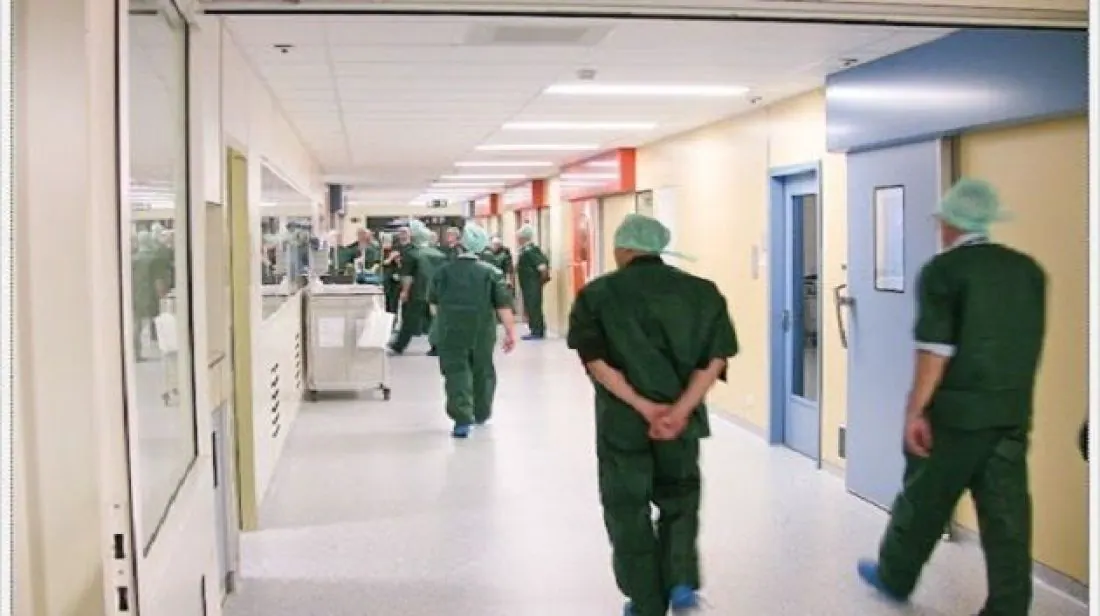
Tunisia's private hospitals have called for urgent intervention to settle their outstanding dues with the National Health Insurance Fund (CNAM), which have been delayed for eight months. The hospitals warned that if the situation persists, it may threaten their ability to continue operating and impact the continuity of healthcare services provided to social security beneficiaries.
The National Chamber of Private Hospitals issued a statement after an emergency general meeting on September 24, 2026, at the Tunisian Union of Industry, Commerce and Traditional Industries. They requested a clear schedule for the payment of their dues with CNAM to ensure regular payment and continuity of their activities.
The delayed payment of dues has led to a worsening of the hospitals' financial difficulties, with some unable to meet their obligations to suppliers and pay employee salaries. The hospitals warned that if the situation continues, some may be forced to stop operating. Despite financial difficulties, the hospitals continue to provide services to social security beneficiaries professionally and without discrimination.
The hospitals' financial situation has become unsustainable, particularly since their transactions with CNAM account for 30-70% of their total transactions, depending on the hospital and location. The continued issuance of healthcare coverage letters by CNAM, while not paying hospital dues, has further complicated their financial situation.
The private hospitals also pointed out that their financial dues with the Libyan state have been accumulating since 2016. These debts, which have been audited on several occasions, have caused financial damage and affected their balances. The hospitals expressed rejection of being assigned social contributions for private sector doctors practicing within them.
The hospitals emphasized that these doctors practice under their own names and responsibilities and receive their fees directly from service recipients or as part of cooperation agreements with the hospitals. Therefore, they are required to pay their social contributions themselves as non-salaried workers under the social security system.
The Chamber indicated that discussions with CNAM's general management proposed signing an agreement with the concerned doctors, taking into account their activity outside the hospital and their integration into the social security system for non-salaried workers. The hospitals demanded swift intervention from the National Social Security Fund to issue a general memo clarifying its stance on social contributions related to doctors practicing privately within hospitals.
Key points
- Private hospitals in Tunisia face financial difficulties due to delayed payments from the National Health Insurance Fund.
- The hospitals warn that if the situation persists, it may threaten their ability to continue operating.
- The hospitals also face accumulating financial dues with the Libyan state since 2016.