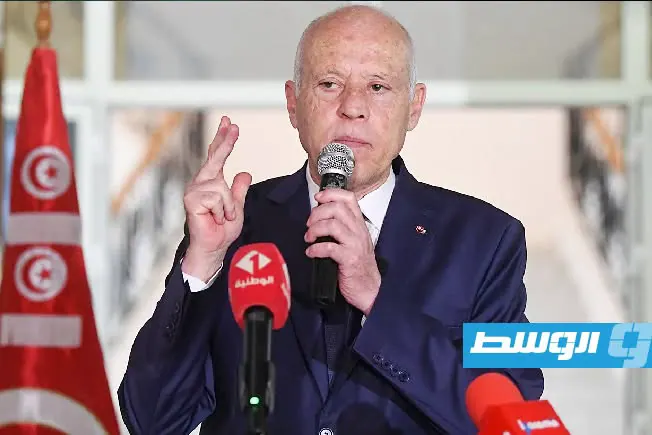
On Wednesday, September 30, 2026, Tunisian President Kais Saied signed a decree amending a law that had been widely criticized by the political opposition and human rights groups. The law, which aimed to combat fake news, had been used to prosecute journalists, activists, and politicians who spoke out against the government. The amendment reduces the prison sentence for those convicted of spreading false news from five years to six months.
The amended law still imposes significant fines, up to 50,000 dinars ($15,000), for those who intentionally spread false news. However, the reduction in prison sentences is seen as a step towards greater freedom of expression in Tunisia. The law had been used to target several high-profile figures, including journalists, activists, and politicians, who were sentenced to prison terms for their criticism of the government.
Human rights groups had long criticized the law, saying it was too broad and could be used to silence anyone who spoke out against the government. The law's critics argued that it was an attempt to restrict freedom of expression and stifle dissent. The amendment is seen as a response to these criticisms, but some groups say it does not go far enough.
The International Committee to Protect Journalists had called for the law to be repealed entirely, saying it was a threat to press freedom. While the amendment is a step in the right direction, some critics say it still leaves too much room for government overreach. The Tunisian government has faced criticism for its handling of human rights and freedom of expression since Saied took office.
In 2022, several journalists and activists were prosecuted under the law, including a prominent lawyer and journalist, Sonia Dahmani. The law had also been used to target politicians, including a prominent opposition leader, Abir Moussi. The amendment may help to ease tensions between the government and its critics, but it remains to be seen how it will be implemented.
Some observers see the amendment as a tactical move by President Saied to ease pressure from his critics. Saied has faced opposition from several groups, including the Islamist party Ennahda, which has criticized his policies. The amendment may help to reduce tensions, but it is unclear whether it will lead to significant changes in the government's approach to human rights and freedom of expression.
The amendment to the law is a significant development in Tunisia, where freedom of expression has been under threat in recent years. While the change is seen as a positive step, many critics argue that more needs to be done to protect human rights and ensure that the government is held accountable. The country's human rights record remains a concern for many observers.
Key points
- President Kais Saied has reduced prison sentences for those convicted of spreading false news.
- The amendment to the law still imposes significant fines for those who intentionally spread false news.
- Human rights groups have long criticized the law, saying it was too broad and could be used to silence anyone who spoke out against the government.