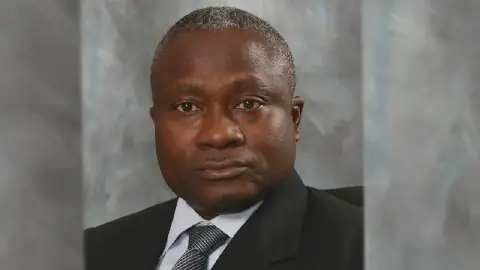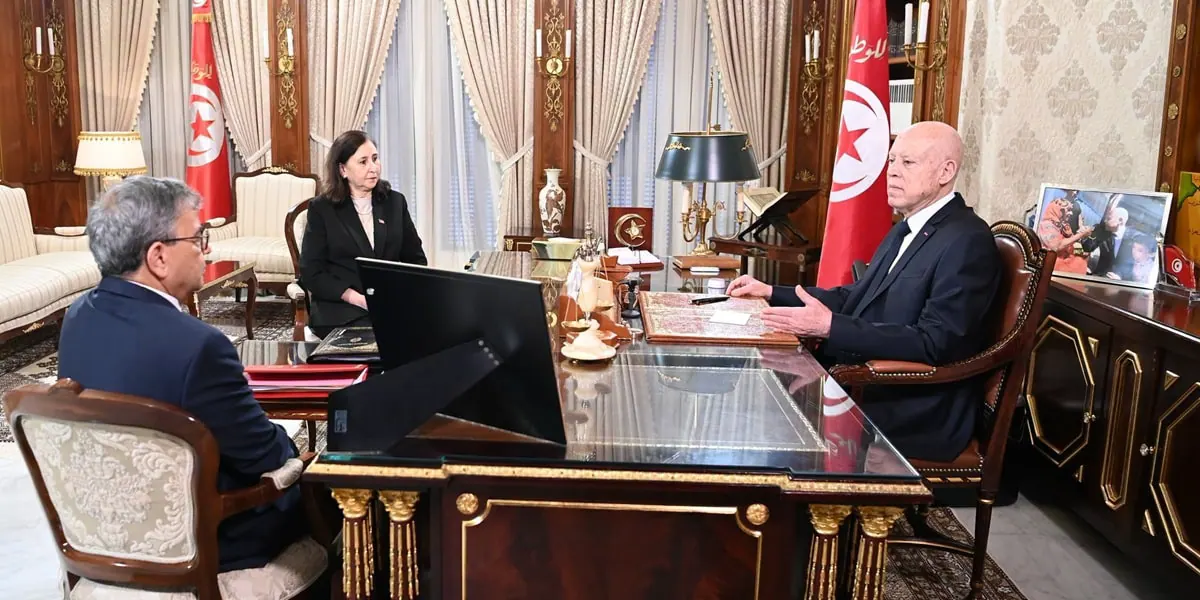
On September 23, Tunisian President Kaïs Saïed convened a meeting with Prime Minister Sara Zaafrani Zenzri and Central Bank Governor Fethi Zouhair Nouri to address the country's economic challenges. The focus was on the surge in prices and its impact on the population. Saïed emphasized the need to reassess the import policy and intensify the fight against corruption, which he believes is hindering the country's economic growth.
The meeting highlighted the issue of soaring prices, which has become a major concern for Tunisians. Saïed called for the rationalization of imports, but did not specify which products would be affected or announce new measures. This initiative is part of a broader effort to promote economic stability and improve the business environment. The fight against corruption was also a key topic, with Saïed stressing that it goes beyond traditional corruption to include fraud, bureaucratic hurdles, and poor treatment of citizens by public services.
Saïed also focused on the role of banks in supporting the economy. He urged the Central Bank to play a more active role in finding solutions to achieve financial equilibrium. The president emphasized that public banks, established to support state efforts, must facilitate access to credit for citizens and businesses. Other banks are also expected to make credit more accessible under favorable conditions and in line with Central Bank guidelines.
The president's message aimed to address two key economic challenges: managing imports in a context of rising prices and improving access to financing for citizens and businesses. Saïed's emphasis on the importance of the public sector in driving economic growth and providing essential services such as healthcare, education, and social coverage reflects his vision of an active role for the state in the economy.
During the meeting, Saïed reiterated his commitment to social justice and the importance of public services. He argued that the state should be a guarantor of social justice and that its role should be visible in everyday life, particularly in regions that are often neglected. This vision is part of a broader policy aimed at promoting complementarity between the public and private sectors.
Saïed also addressed the issue of vested interests, accusing certain circles of trying to undermine the revolutionary process and trivialize the demands of the revolution. He warned that these attempts would not succeed and reaffirmed his commitment to the ideals of the revolution.
The president's call for rationalization of imports and improved access to credit reflects his efforts to address the country's economic challenges. The implementation of these measures will depend on the government's ability to balance the interests of various stakeholders and ensure that the needs of citizens and businesses are met.
Key points
- President Kaïs Saïed calls for rationalization of imports to tackle rising prices in Tunisia.
- Saïed emphasizes the importance of public banks in facilitating access to credit for citizens and businesses.
- The president reaffirms his commitment to social justice and the role of the state in promoting economic growth and providing essential services.