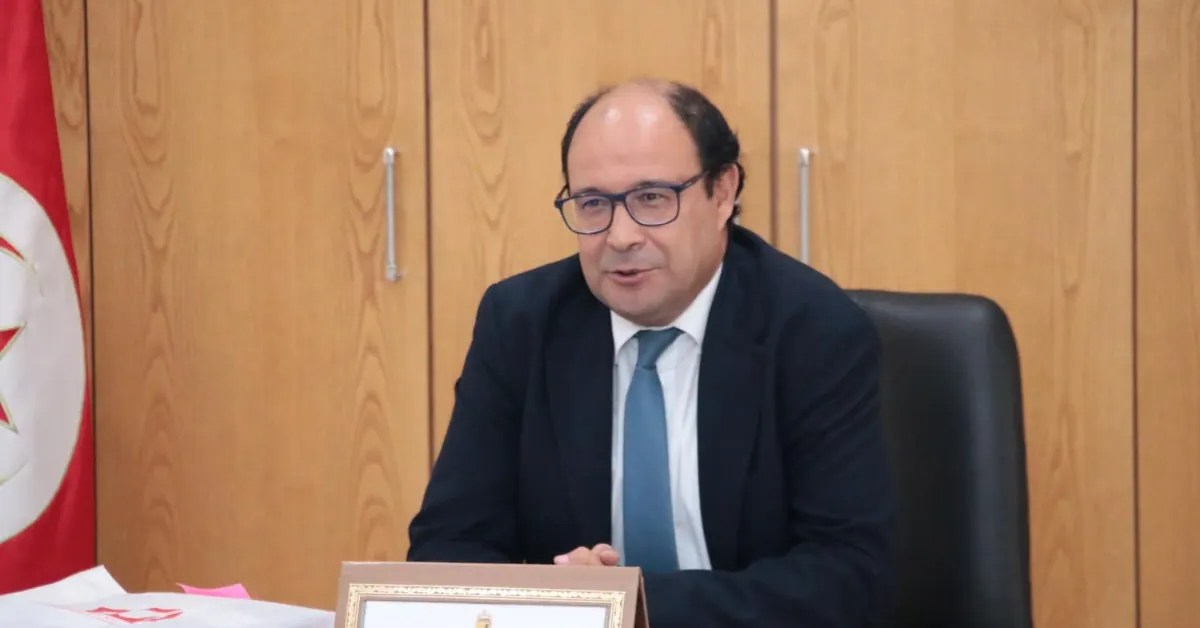
Tunisia's Minister of Communication Technologies, Sufian Al-Hamisi, has announced that the country's postal service, Post Tunisie, is preparing for a new phase of digital transformation. This move is part of a broader strategy for 2026-2030 that focuses on supporting digital transformation and developing postal services. The strategy aims to improve services, make them more accessible to citizens, and promote financial and social inclusion for various segments of society.
Al-Hamisi made these remarks during a statement to Diwan FM on the sidelines of the celebration of World Post Day. He highlighted that Tunisia is one of the founding countries of the Universal Postal Union. The new strategy seeks to modernize postal services in line with economic and social changes. This initiative is expected to enhance the role of Post Tunisie in serving the national economy, institutions, and citizens.
The Minister expressed confidence in the capabilities of Post Tunisie employees, emphasizing their ability to continue playing a vital role in the national economy. He also stressed the importance of adopting modern technologies, such as artificial intelligence and digital identity. According to Al-Hamisi, these technologies are crucial for advancing the postal service and aligning it with international standards.
Al-Hamisi further emphasized the need to keep pace with major technological developments while ensuring that these advancements serve humanity. He noted that the national vision involves harnessing technology to benefit society, while respecting the country's specificities and fundamental rights enshrined in the Tunisian Constitution. This balanced approach aims to maximize the benefits of technology while mitigating potential risks.
The adoption of new technologies, including artificial intelligence and digital identity, requires careful consideration of their implications. Al-Hamisi pointed out that digital transformation and artificial intelligence are key components of Tunisia's development plan, aimed at supporting the national economy. He also highlighted the importance of addressing challenges related to technological autonomy and digital sovereignty.
When implementing these technologies, it is essential to ensure that they align with Tunisia's values and societal norms. The Minister stressed that this approach will help preserve Tunisia's identity and protect societal privacy. By doing so, the country can harness the benefits of technology while safeguarding its unique cultural and social characteristics.
The new strategy for Post Tunisie is set to have a significant impact on the country's communication and technological landscape. With a focus on digital transformation and improved services, the postal service is poised to play a more prominent role in Tunisia's economic and social development. The successful implementation of this strategy will depend on the effective integration of modern technologies and the ability to balance progress with societal needs.
Key points
- The new strategy for Post Tunisie aims to improve services, promote financial and social inclusion, and modernize postal services in line with economic and social changes.