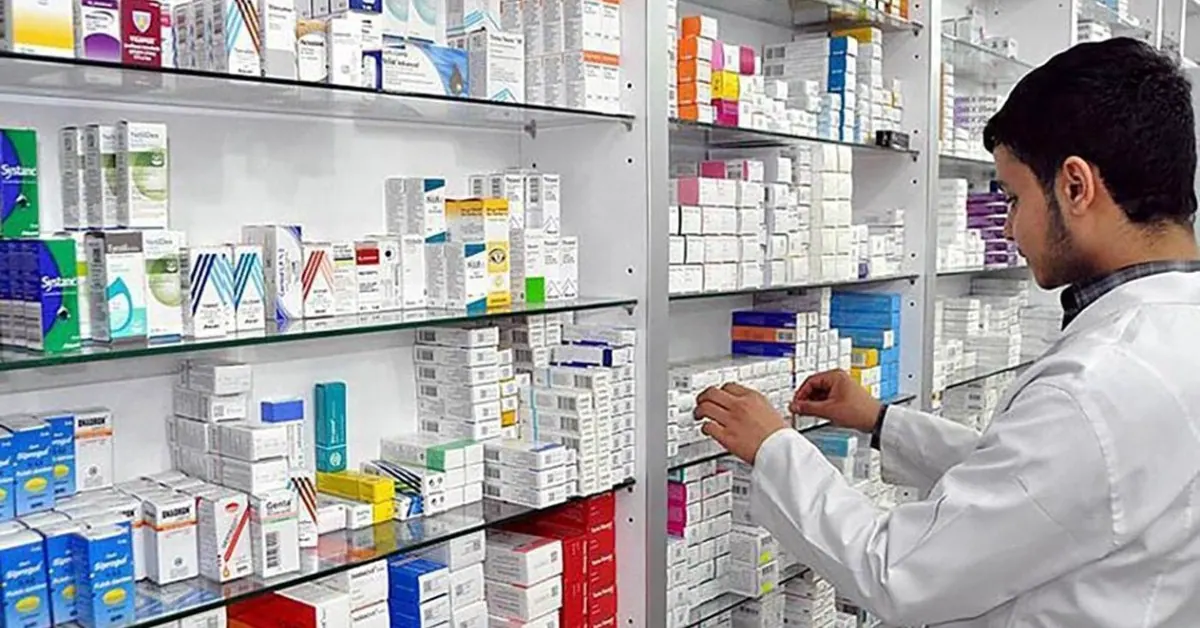
The National Pharmacists' Council in Tunisia has confirmed that the country remains secure from the spread of counterfeit and fake medicines. According to Dr. Thraya Neifer, the council's general secretary, this is largely due to the country's pharmaceutical vigilance system and the centralization of medicine import operations at the Central Pharmacy. This setup serves as the first line of defense against counterfeit products in the market.
Dr. Neifer warned about the risks associated with purchasing medicines through parallel distribution channels, particularly on social media and websites that promote products and medicines introduced into the country illegally. She emphasized that the National Agency for Medicines has launched an interactive mechanism for reporting and periodic monitoring after marketing. This proactive measure aims to detect suspicious or non-compliant medicines.
The National Agency for Medicines has introduced a system for citizens to report any medicines they suspect are of dubious origin or have deteriorated in quality. This can be done by filling out an electronic form, sending an official letter, or visiting the agency's headquarters. Citizens can also approach their local pharmacist, who will initiate the necessary reporting procedures on their behalf.
In cases where irregularities or non-compliance are confirmed, the National Agency for Medicines intervenes to take necessary actions. These may include withdrawing the affected batches or operations from the market and suspending the medicine's license if required. The agency also tracks the supply chain, manufacturing, and distribution to ensure accountability.
Dr. Neifer stressed that protecting public health is a shared responsibility among citizens, doctors, and pharmacists. She urged citizens to only purchase medicines from official channels, such as private pharmacies, hospitals, and clinics, to avoid risks associated with unknown or counterfeit medicines.
The National Pharmacists' Council plays a crucial role in maintaining the integrity of Tunisia's pharmaceutical sector. By working closely with the National Agency for Medicines and other stakeholders, the council helps ensure that citizens have access to safe and effective medicines.
The vigilance system in Tunisia's pharmaceutical sector has proven effective in preventing the spread of counterfeit medicines. With the continued efforts of the National Pharmacists' Council and the National Agency for Medicines, citizens can trust that their medicines are safe and reliable.
Key points
- Tunisia's pharmaceutical vigilance system and centralized medicine import operations help protect the market from counterfeit products.