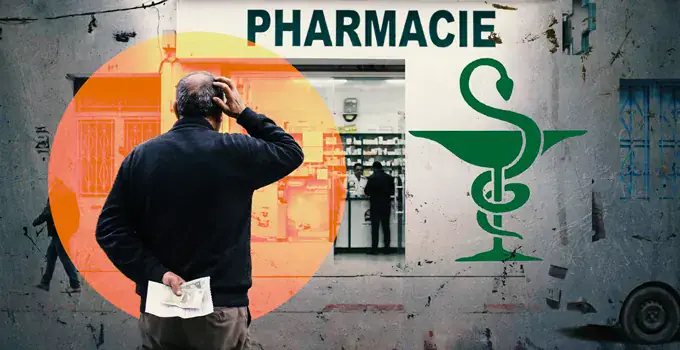
The Tunisian pharmaceutical sector has been plagued by a perfect storm of challenges, including a shortage of essential medicines and a significant increase in drug prices. This crisis has left thousands of patients struggling to access life-saving treatments. The Central Pharmacy, a key player in the country's healthcare system, has been embroiled in a financial dispute with the National Health Insurance Fund and public hospitals.
In July 2026, the Central Pharmacy announced a price hike for numerous medications, with some essential drugs experiencing increases of up to 556%. This move has further exacerbated the challenges faced by patients, particularly those with chronic conditions such as cancer, diabetes, and mental health disorders. Many Tunisians are now forced to embark on arduous journeys to secure essential medications, often with limited success.
Patients like Samah, who suffers from bipolar disorder, are struggling to access affordable medication. Despite having a doctor's prescription, Samah often finds herself searching for alternative, generic medications that are in short supply. The situation has become so dire that some patients are being forced to choose between paying exorbitant prices for medications or going without treatment altogether.
The crisis has been attributed to a complex interplay of factors, including a shortage of domestic production, a lack of transparency in the pharmaceutical supply chain, and inadequate funding for the healthcare system. According to the National Institute of Statistics, Tunisia's imports of pharmaceutical products have increased by 75% over the past five years, with the value of imports reaching 2.27 billion dinars in 2025.
The financial struggles faced by the National Health Insurance Fund and public hospitals have also contributed to the crisis. The Fund's debts to the Central Pharmacy have reportedly reached 1.442 billion dinars, while the pharmacy's own debts stand at 1.3 billion dinars. This financial quagmire has resulted in a shortage of essential medications, leaving patients to bear the brunt of the crisis.
Industry experts, such as Zbeir Qiqah, head of the National Union of Private Pharmacy Owners, have expressed concerns about the long-term consequences of the crisis. Qiqah warns that if the situation is not addressed, the entire healthcare system could collapse, leaving Tunisians without access to affordable medication. The situation has sparked widespread criticism of the government's handling of the crisis.
In response to the crisis, President Kais Saied has called for a crackdown on corruption and inefficiencies in the pharmaceutical sector. He has also emphasized the need for greater transparency and accountability in the management of the healthcare system. However, it remains to be seen whether these measures will be sufficient to address the deep-seated challenges facing Tunisia's healthcare system.
Key points
- The Tunisian government must take concrete steps to address the pharmaceutical crisis, including increasing funding for the healthcare system and implementing measures to improve transparency and accountability in the management of the sector.