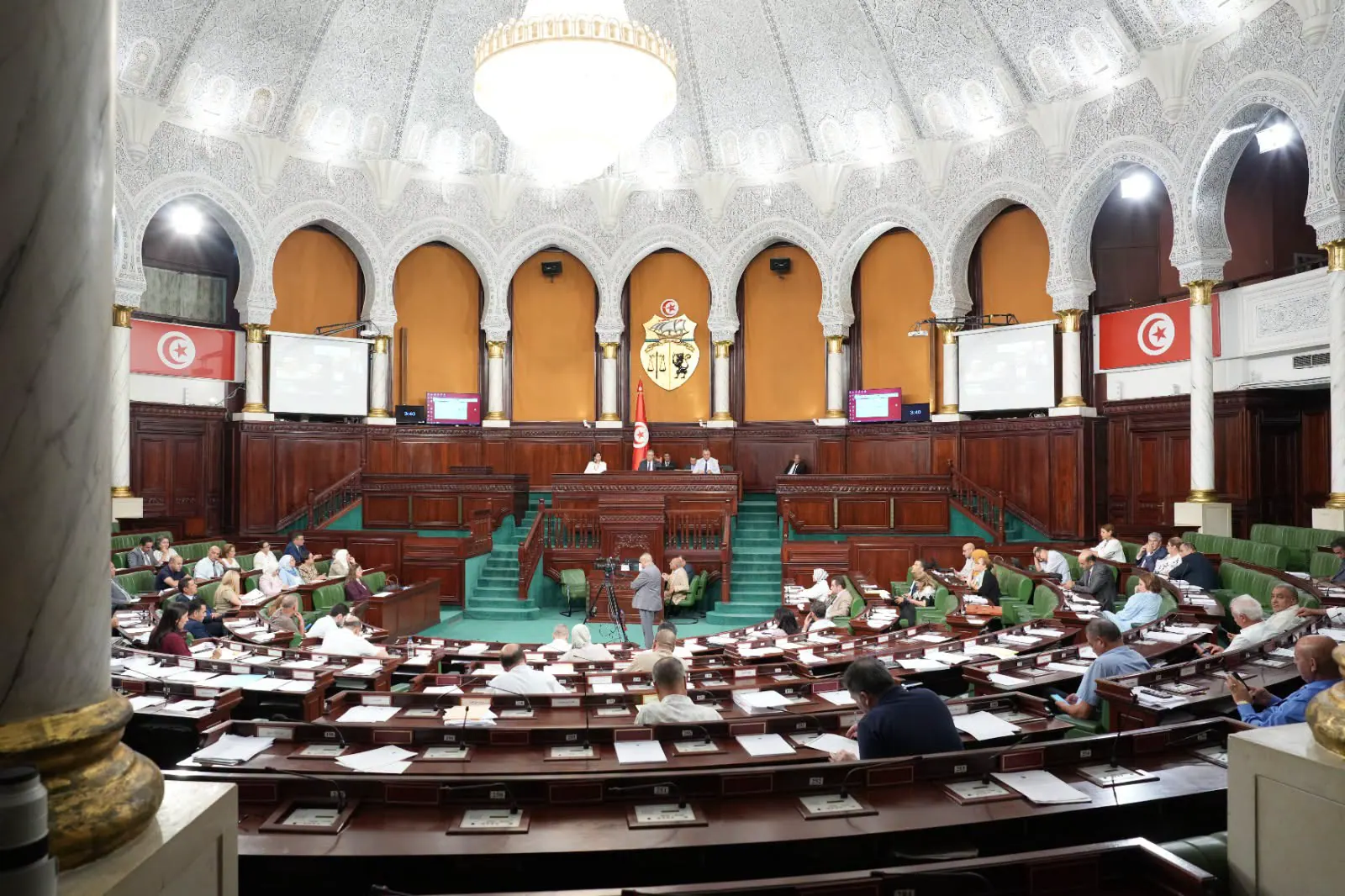
Tunisia's parliamentary finance and budget committee is set to convene a session to discuss the reasons behind the delay in presenting the 2026 state budget report. The meeting, scheduled for September 21, 2026, will also examine the major assumptions and directions for the 2027 state budget project. According to committee head Maher Kattari, the session aims to address pressing issues, including infrastructure projects in the electricity and drinking water sectors.
The committee's discussions will focus on avoiding a repeat of the disruptions experienced during the summer of 2026. The goal is to ensure preparedness for the upcoming summer season. This move comes amid concerns over potential shortages and disruptions in essential services. The committee will likely scrutinize the government's plans to mitigate these risks and ensure a stable supply of electricity and water.
The session takes place against a backdrop of ongoing economic challenges in Tunisia. Recently, Minister of Trade, Mohamed Al-Sahimi, announced that a strike in the fuel transport sector remains in effect. This development may impact the country's fuel supply and overall economic activity. Meanwhile, the Ministry of Trade is working to ensure a steady supply of household gas cylinders.
In related news, Tunisia is set to host the fourth International Energy Transition Salon from October 1 to 3, 2026. This event aims to promote sustainable energy solutions and discuss the country's transition to cleaner energy sources. The salon will bring together experts and stakeholders to explore opportunities for investment and cooperation in the energy sector.
Tunisia is also seeking to promote its investment opportunities and explore partnership prospects with Spanish institutions. A recent initiative aims to highlight the country's potential for growth and investment, particularly in key sectors such as energy and infrastructure. This effort is part of a broader strategy to attract foreign investment and stimulate economic growth.
The country's economic challenges are being addressed on multiple fronts. The government is working to ensure a stable supply of essential goods and services, including food and energy. This involves coordination between various ministries and stakeholders to address potential shortages and disruptions.
As Tunisia navigates its economic challenges, the government's budget plans and policies will be closely watched by citizens and international observers. The upcoming session of the finance and budget committee will provide valuable insights into the country's economic strategy and priorities for the coming year.
Key points
- The Tunisian parliament's finance committee will discuss the delayed 2026 budget report and 2027 budget plans.
- The committee aims to address infrastructure challenges in the electricity and drinking water sectors.
- Tunisia is hosting the International Energy Transition Salon to promote sustainable energy solutions.