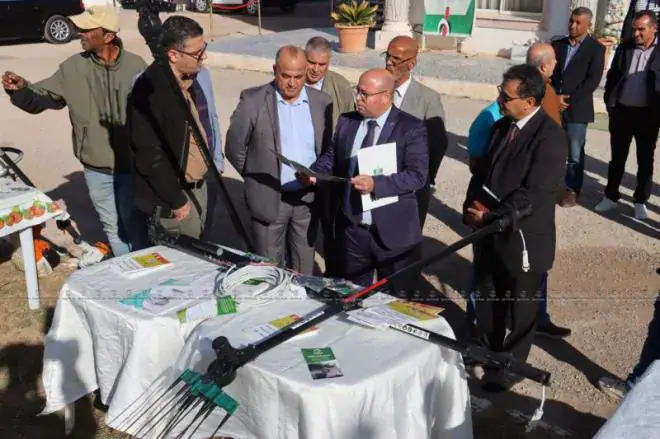
A regional information day was held in Zaghouan, Tunisia, to address the prevention and control of olive leaf disease and the valorization of pomace in agriculture. The event was organized by the Regional Commission for Agricultural Development and attended by local authorities, farmers, and representatives from agricultural organizations. Zaghouan Governor Karim Bernaji emphasized the importance of the olive sector in the region, highlighting its role as a key agricultural activity and source of employment.
The olive sector in Zaghouan faces challenges from diseases and pests, with 1500 olive trees infected with bacterial leaf spot disease. To combat this, authorities have taken technical and preventive measures to limit the spread of the disease. Participants were informed about the disease's symptoms, prevention methods, and the importance of using clean pruning and harvesting tools to prevent infection. The event also covered best practices for olive cultivation and the safe disposal of agricultural waste.
The valorization of pomace, a byproduct of olive oil production, was also discussed during the event. Last season, over 360 hectares of land received pomace applications, following approval from relevant authorities. This practice aims to promote sustainable agriculture and reduce waste in the olive sector. Governor Bernaji stressed the need for environmentally friendly practices and the conversion of agricultural waste into valuable resources.
On the sidelines of the event, Zaghouan Governor Karim Bernaji visited an exhibition showcasing innovative technologies in olive harvesting and processing. The exhibition featured advanced machines capable of collecting up to 900 kg of olives per day, as well as equipment for cold-pressing olive oil. These innovations aim to improve the quality of olive oil production and increase efficiency in the sector.
The regional information day was attended by various stakeholders, including the Regional Union of Agriculture and Maritime Fishing, the Agricultural Extension and Promotion Department, and representatives from local agricultural organizations. The event provided a platform for farmers, experts, and authorities to exchange ideas and discuss challenges facing the olive sector in Zaghouan.
Tunisia's olive sector is a significant contributor to the country's economy, and efforts to protect and promote it are ongoing. The Regional Commission for Agricultural Development is working to support farmers and improve agricultural practices in the region. The event in Zaghouan highlights the importance of collaboration and innovation in addressing the challenges facing the olive sector.
The Zaghouan region is known for its olive production, and local authorities are committed to supporting the sector. Recent initiatives, such as the information day and the adoption of innovative technologies, demonstrate the efforts being made to promote sustainable agriculture and improve the livelihoods of farmers in the region.
Key points
- Innovative technologies showcased at the event aim to improve olive oil production efficiency and quality.
Reporting sources
- Radio Monastir · Radio Monastir