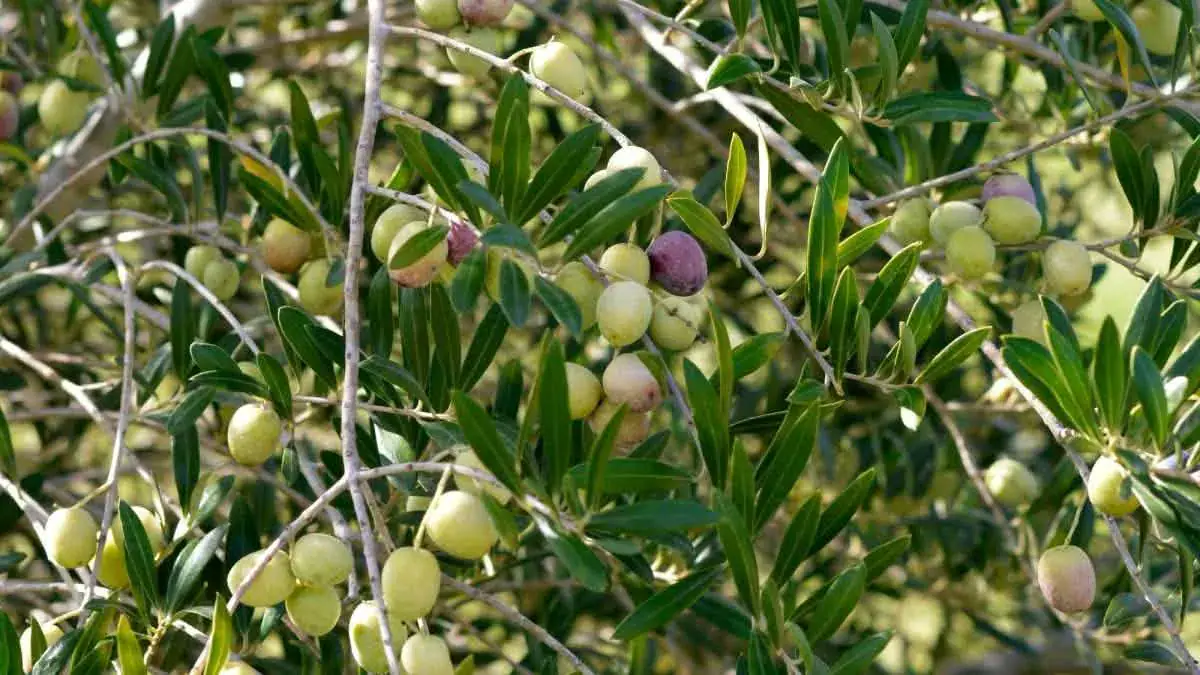
The Kasserine region in Tunisia is gearing up for the olive harvest season, with estimates suggesting a production of around 100,000 tons of olives. This represents a slight decline compared to last season, due to the impact of a heatwave and hailstorms that caused damage to olive crops. The region's olive groves cover an area of approximately 145,000 hectares, with around 15 million trees, of which 40% are rain-fed and 60% are irrigated.
The Kasserine region has seen significant expansion of its olive groves in recent years. The region is home to 37 olive oil mills, with 26 of them currently operational. However, one of the major challenges facing the industry is the lack of storage capacity for olive oil, which stands at around 10% of production. This has led to calls for farmers and private investors to invest in storage facilities.
According to Fatma Halim, head of the plant production department at the Kasserine Regional Commission for Agricultural Development, the region's olive oil production is expected to be slightly lower than last season. Despite this, the region remains one of the main olive oil-producing areas in Tunisia. The local authorities are encouraging farmers to adopt modern farming techniques and invest in irrigation systems to improve crop yields.
The olive oil sector is a significant contributor to the local economy, providing employment and income for thousands of farmers and rural communities. However, the sector faces several challenges, including climate change, pests, and diseases that affect olive crops. The authorities are working to support farmers and promote sustainable agriculture practices to ensure the long-term viability of the sector.
In addition to the challenges facing the olive oil sector, the region is also working to promote tourism and rural development. Several initiatives have been launched to support rural communities and promote local products, including olive oil, dates, and handicrafts. The authorities hope that these initiatives will help to boost the local economy and improve living standards for rural communities.
The Kasserine region has a rich cultural heritage, with several historical sites and festivals celebrating the region's history and traditions. The region is also home to several natural attractions, including the Bou-Hedma National Park, which is known for its diverse flora and fauna. The authorities are working to promote sustainable tourism practices and protect the region's natural resources.
As the olive harvest season gets underway, farmers and local authorities are working together to ensure a successful harvest. The region's olive oil production is expected to make a significant contribution to Tunisia's national production, and the authorities are hopeful that the sector will continue to thrive in the coming years.
Key points
- The Kasserine region in Tunisia is expected to produce around 100,000 tons of olives this season.
- The region's olive oil sector faces challenges such as a lack of storage capacity and the impact of climate change.
- The authorities are working to support farmers and promote sustainable agriculture practices to ensure the long-term viability of the sector.