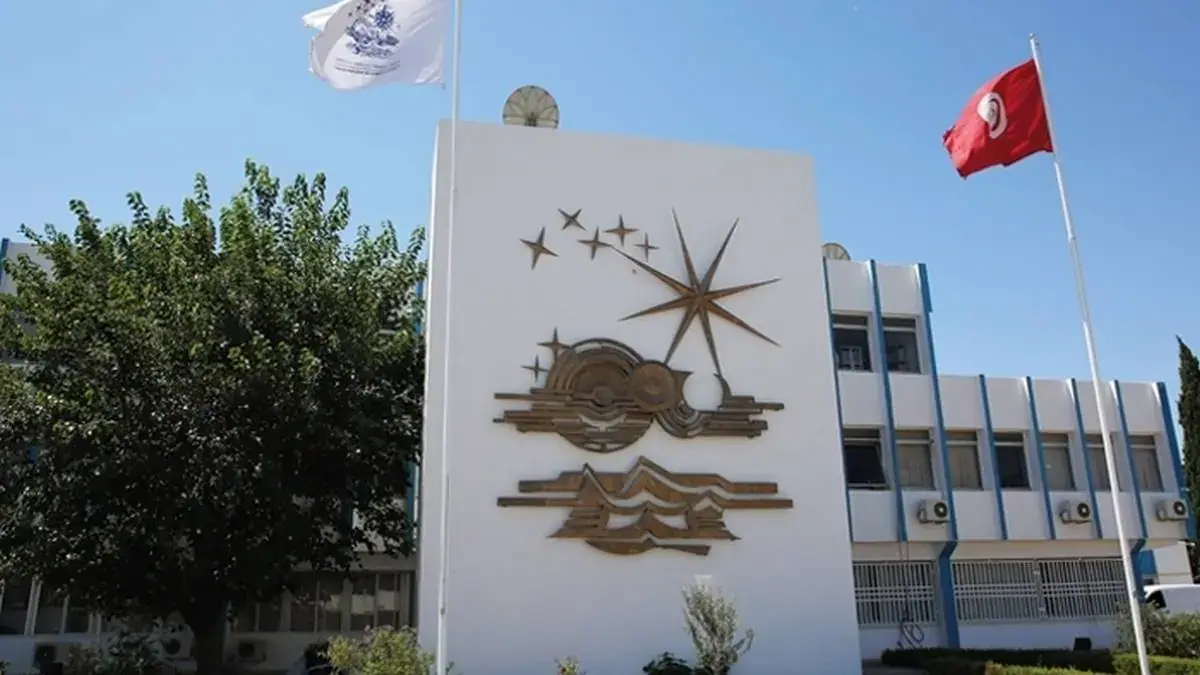
The National Meteorological Institute of Tunisia has released a bulletin predicting that temperatures will be higher than usual during the November-December-January season of 2026-2027. According to the institute, temperatures are expected to exceed the seasonal averages, while rainfall is likely to be below normal, particularly in the north and central regions. This season typically marks the transition to winter, characterized by lower temperatures and significant rainfall.
The institute's forecast is based on reference data from 1991 to 2020. During this period, average seasonal temperatures in the north and central regions ranged from 8 to 15 degrees Celsius, while in the south, they ranged from 12 to 16 degrees Celsius. The lowest seasonal temperatures were recorded at Tala station. In terms of rainfall, the institute reports that average seasonal totals range from 116 to 475 mm in the north and coastal areas, 56 to 106 mm in the central west, and 29 to 89 mm in the south.
The November-December-January season is a critical period in Tunisia's climate, with significant rainfall and cooler temperatures. However, this year's forecast suggests that temperatures will be above average, with November temperatures expected to range from 11 to 18 degrees Celsius in the north and central regions, and 15 to 19 degrees Celsius in the south. Rainfall in November is typically more abundant in the north, ranging from 39 to 96 mm, with totals reaching 160 mm in Tabarka.
In December, average temperatures are expected to range from 7 to 14 degrees Celsius in the north and central regions, and 11 to 15 degrees Celsius in the south. Rainfall in December is typically more significant in the far north, with totals exceeding 100 mm and reaching 161 mm in Tabarka. In contrast, rainfall in the central region is expected to range from 14 to 47 mm, while in the south, it will be generally less than 32 mm.
January temperatures are expected to range from 6 to 13 degrees Celsius, with rainfall more abundant in the north, ranging from 51 to 148 mm. In the central region, rainfall is expected to range from 19 to 38 mm, while in the south, it will not exceed 24 mm. These forecasts are based on historical climate data and are subject to change.
The National Meteorological Institute's forecast has implications for various sectors, including agriculture, water resources, and infrastructure. The predicted warmer temperatures and reduced rainfall may impact crop yields, water availability, and energy demand. Tunisian authorities and citizens are advised to take these forecasts into account when planning and making decisions.
This forecast is part of a series of climate updates provided by the National Meteorological Institute. In September, the institute predicted that October, November, and December 2026 would experience temperatures above the reference averages. The institute continues to monitor climate conditions and provide updates to support informed decision-making.
Key points
- Tunisia's National Meteorological Institute predicts higher temperatures than usual for the November-December-January season of 2026-2027.
- Rainfall is expected to be below normal, particularly in the north and central regions.
- The forecast has implications for various sectors, including agriculture, water resources, and infrastructure.