Tunisia is set to develop its third directive example for national land planning, according to statements made by officials. The new plan is expected to provide a fresh perspective on land use, taking into account changes that have occurred over the past 20 years. The last directive example was prepared two decades ago, and since then, the country has experienced significant transformations in various sectors, including legislation, institutions, economy, urban planning, environment, and climate.
The new directive example is being developed following a workshop held in the capital city, Tunis. The workshop saw the presentation of the first set of studies and work related to the preparation of the third directive example for national land planning. According to officials, the new plan will enable the country to review previous choices related to the distribution of major programs and projects, particularly those related to infrastructure and public facilities.
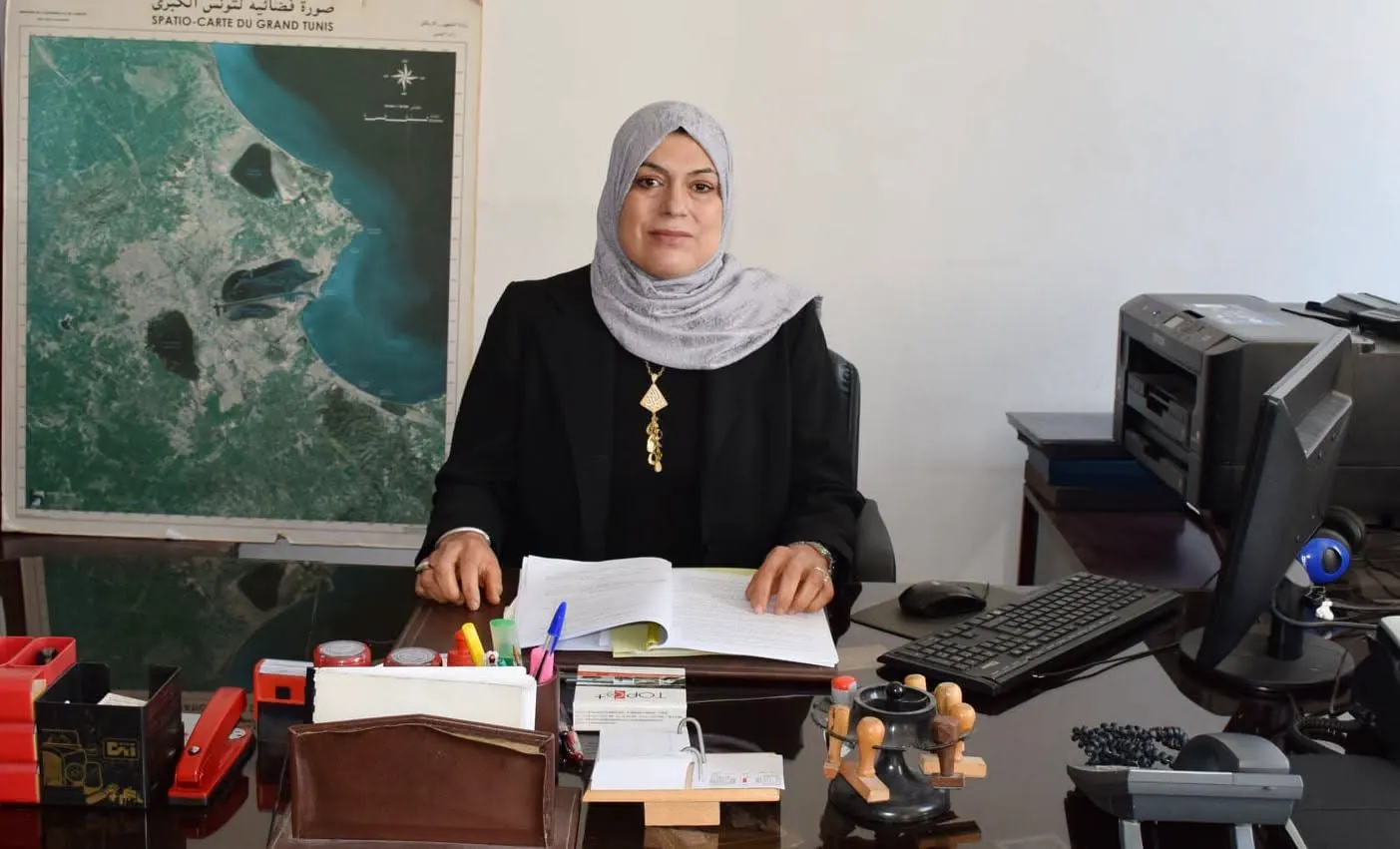
The Director-General of Land Planning, Basma Qasntini, stated that the new directive example will take into account the changes that have occurred in the country over the past 20 years. She added that the plan will provide a new vision for land use and will be aligned with current transformations, including the review of several legislative and legal texts. The new plan is expected to be completed by 2026.
The development of the new directive example is part of Tunisia's efforts to improve its land planning and management. The country has experienced significant urbanization and economic growth in recent years, which has put pressure on its land resources. The new plan is expected to provide a framework for sustainable land use and management, taking into account the needs of different sectors, including agriculture, industry, and urban development.
The preparation of the new directive example involves the participation of various stakeholders, including government agencies, private sector organizations, and civil society groups. The plan is expected to be implemented in a participatory approach, involving all stakeholders in the decision-making process. This approach is expected to ensure that the plan is inclusive and responsive to the needs of different stakeholders.
The new directive example is expected to have a positive impact on Tunisia's economic and social development. The plan is expected to provide a framework for sustainable land use and management, which will contribute to the country's economic growth and social stability. The plan is also expected to improve the living conditions of Tunisian citizens, particularly in rural areas.
The implementation of the new directive example is expected to start soon, with the government allocating resources and capacity to ensure its effective implementation. The plan is expected to be monitored and evaluated regularly to ensure that it is achieving its objectives and to make adjustments as needed.
Key points
- The new directive example for national land planning will provide a fresh perspective on land use in Tunisia.
- The plan will take into account changes that have occurred in the country over the past 20 years.
- The plan is expected to be completed by 2026.