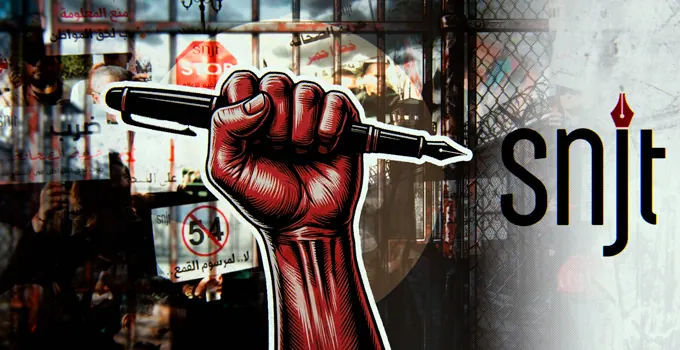
The National Journalists' Union of Tunisia (SNJT) is convening its seventh conference as an independent and free union since its founding in 2008. The event takes place under exceptional circumstances, with the profession facing severe restrictions and repression. The union declared a state of press emergency on September 8 following the imprisonment of journalist Mohamed Yousfi, who joins colleagues Ziad Heni, Mourad Zeghidi, and media personality Borhen Besis behind bars.
The conference brings together journalists and union members at a critical time for the sector. Several journalists are currently in prison or in hiding to avoid persecution. The union aims to defend its dignity and reputation, which have been tarnished by some who have spread conspiracy theories and defended extremist ideologies. The SNJT seeks to promote press freedom and protect the rights of journalists in Tunisia.
The current context is challenging for Tunisia and the media sector, requiring candidates for union leadership to demonstrate courage, experience, and a commitment to defending journalists' rights. The union's role is crucial in promoting freedom of expression and opinion, which are essential for a healthy and functioning democracy. The SNJT's efforts are closely watched by Tunisian society, which expects the union to play a key role in promoting press freedom.
The conference comes amid concerns about the erosion of press freedom in Tunisia. The SNJT has called for attention to the plight of journalists facing repression, including those in prison or in exile. The union's leadership has emphasized the need for solidarity and collective action to defend journalists' rights and promote a free and independent press.
The SNJT's seventh conference will also focus on the situation of journalists who have been imprisoned or are facing prosecution. The union plans to establish a new committee to support journalists who are being persecuted, providing them with legal and psychological assistance. This move aims to ensure that journalists are not forgotten or isolated, even if they are in prison or in hiding.
The outcome of the conference will have significant implications for the future of the SNJT and the media sector in Tunisia. The union's leadership and policies will shape the organization's role in promoting press freedom and defending journalists' rights. The SNJT's efforts will be closely watched by Tunisian society and the international community, which are concerned about the erosion of press freedom in the country.
Key points
- The SNJT's conference aims to promote press freedom and protect journalists' rights in Tunisia.
- The union is seeking to defend its dignity and reputation, which have been tarnished by some who have spread conspiracy theories and defended extremist ideologies.
- The conference will focus on the situation of journalists who have been imprisoned or are facing prosecution, with plans to establish a new committee to support them.