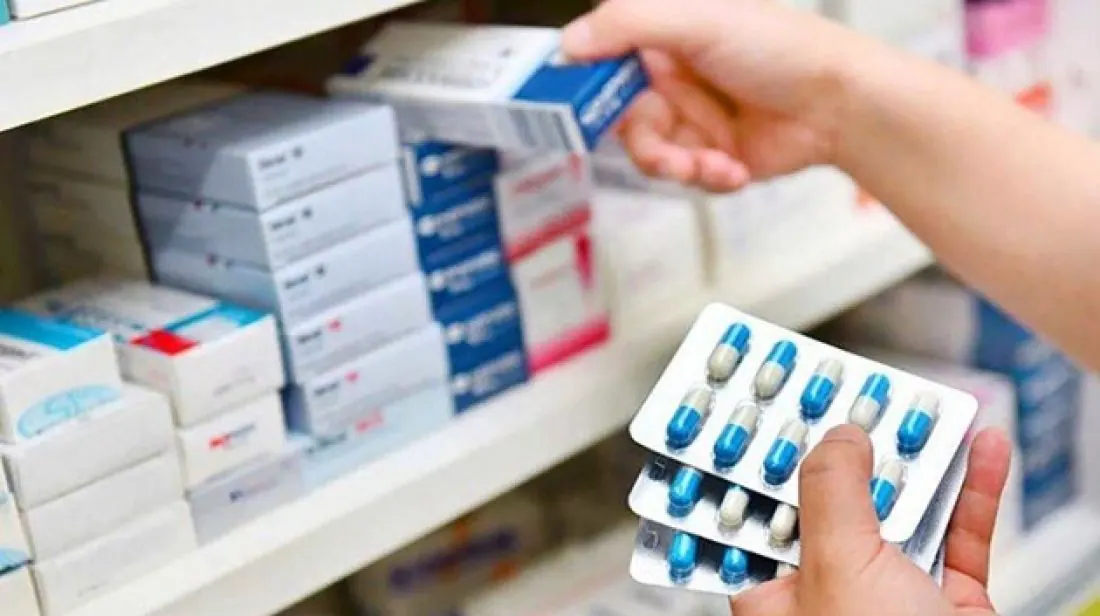
The National Drug Agency in Tunisia has introduced a new system that allows the public and healthcare professionals to report any medicines or health products that are suspected to be counterfeit or substandard. This move aims to enhance regulatory oversight and protect public health. The agency has emphasized that this service is available to everyone, including patients, consumers, and healthcare professionals, and encourages immediate reporting if there are any doubts about the safety of a medicine or health product.
The agency has outlined key indicators that necessitate reporting, such as unusual packaging, unfamiliar product appearance, unexpected effects after using the product, and instances of sales outside authorized channels or at suspiciously low prices. These reports will help the agency to take prompt action against counterfeit products. The agency has categorized reportable cases into two main groups: products that do not meet standards, including licensed medicines that fail to meet technical specifications and quality standards, and counterfeit products, such as fake medicines or those with misleading information about their identity, chemical composition, or origin.
The National Drug Agency has established three direct channels for receiving notifications and reports. These include a digital platform where an electronic form can be completed on the agency's official website, an email address where details and documents can be sent, and a postal address where formal reports can be submitted. The agency has urged reporters to provide as much detail as possible about the product in question, including its name, dosage, batch number, expiration date, and a description of the issue, along with clear images of the product and its packaging.
The agency has assured reporters that their identities will be protected and that submitted data will be kept confidential. Reports can be made anonymously. The agency has stressed the importance of public and professional vigilance in enabling it to take swift action against non-compliant shipments and issue necessary warnings to protect public health. This initiative is part of the agency's efforts to enhance the safety and quality of medicines and health products in Tunisia.
The National Drug Agency's move has been welcomed by stakeholders, who see it as a crucial step towards safeguarding public health. The agency's efforts to engage with the public and healthcare professionals are seen as essential in the fight against counterfeit medicines. By providing a simple and secure reporting mechanism, the agency aims to encourage more people to come forward with information about suspicious products.
Counterfeit medicines pose a significant risk to public health, as they may be ineffective or even toxic. The World Health Organization has estimated that counterfeit medicines affect millions of people worldwide, with often devastating consequences. In Tunisia, the National Drug Agency is committed to preventing the distribution of counterfeit products and ensuring that medicines and health products available in the market are safe and effective.
The National Drug Agency's initiative is part of a broader effort to strengthen regulatory frameworks and enhance public health in Tunisia. The agency is working closely with international partners and stakeholders to address the issue of counterfeit medicines and ensure that the country's healthcare system is equipped to deal with this challenge. By launching this reporting mechanism, the agency has demonstrated its commitment to protecting public health and promoting the safety and quality of medicines and health products.
Key points
- The National Drug Agency in Tunisia has launched a mechanism for reporting counterfeit medicines and health products.
- The agency has established three direct channels for receiving notifications and reports.
- The agency has assured reporters that their identities will be protected and that submitted data will be kept confidential.