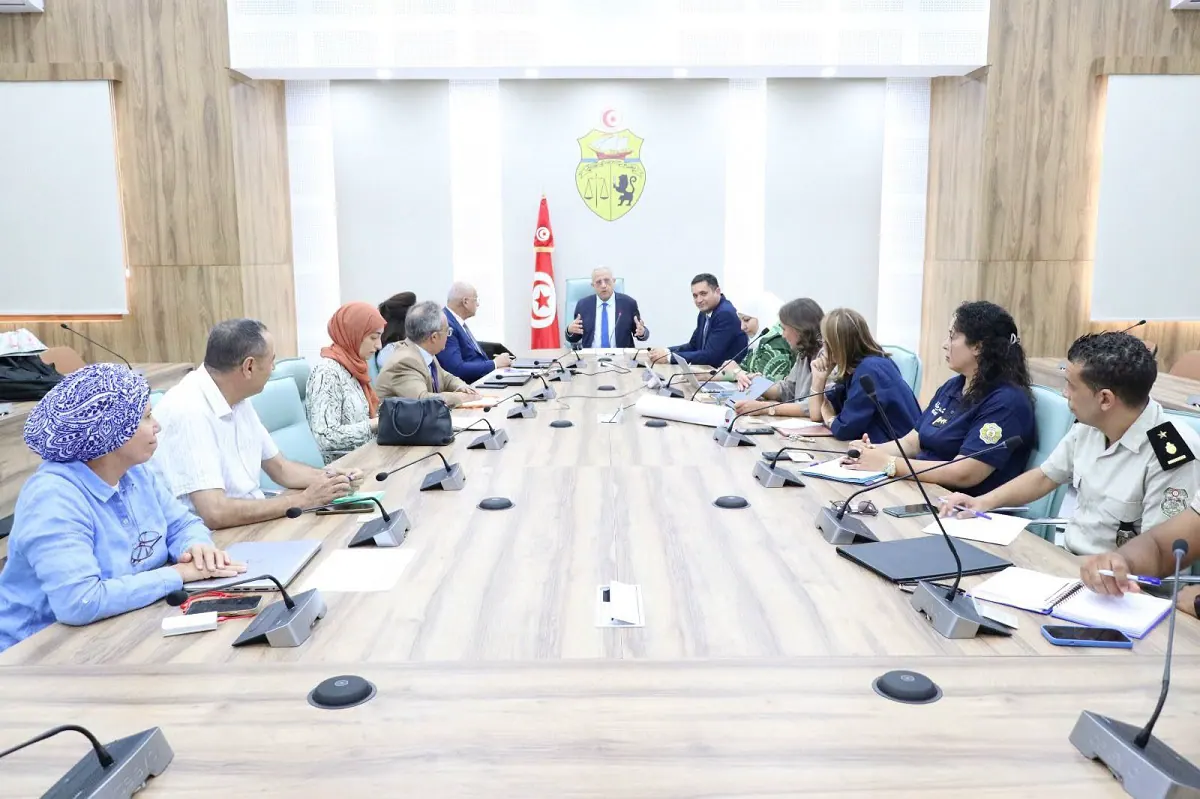
Tunisia's Minister of Health, Mustapha Ferjani, chaired a meeting of the National Commission Against Rabies on September 19, 2026. The meeting was attended by representatives from the Ministries of Agriculture and Interior, as well as other stakeholders. The commission discussed strategies to combat the spread of rabies in the country. The meeting's outcome was a set of recommendations aimed at reducing the risk of rabies transmission.
The commission agreed to intensify dog vaccination efforts and enhance continuous training for emergency service medical professionals. This aims to improve the care provided to individuals exposed to potential rabies contamination. According to the Ministry of Health, these measures are crucial in preventing the spread of the disease. The commission also emphasized the importance of regular waste collection.
The Minister of Health stressed the need for regular waste collection and better coordination with the Ministry of Environment and municipal authorities. This coordination aims to limit animal gatherings around waste disposal sites and accumulation points. Reducing these gatherings is seen as key to controlling the spread of rabies. The commission also discussed the need for more effective management of stray dog populations.
Participants at the meeting highlighted the importance of managing stray dog populations and exploring new solutions for their vaccination. Limiting their proliferation and reducing the risks they pose are also priorities. The commission's recommendations include examining new strategies for controlling the stray dog population. Effective management of these populations is seen as crucial in preventing the spread of rabies.
The commission also agreed to monitor the implementation of the recommended measures regularly. This follow-up will ensure that the strategies are effective and make adjustments as necessary. Regular monitoring is essential in assessing the success of the commission's recommendations. It will also help identify areas that require further attention.
The meeting's recommendations reflect a comprehensive approach to addressing the issue of rabies in Tunisia. By involving multiple ministries and stakeholders, the commission aims to tackle the problem from various angles. This multi-faceted strategy is seen as essential in effectively combating the spread of rabies. The involvement of various stakeholders is crucial in ensuring the success of the commission's recommendations.
The National Commission Against Rabies in Tunisia continues to play a vital role in coordinating efforts to combat the disease. Through its recommendations, the commission aims to reduce the incidence of rabies and ultimately eliminate the disease. The commission's efforts are supported by various stakeholders, including the Ministries of Health, Agriculture, and Interior.
Key points
- The commission recommends intensifying dog vaccination efforts and improving emergency response to combat the spread of rabies in Tunisia.