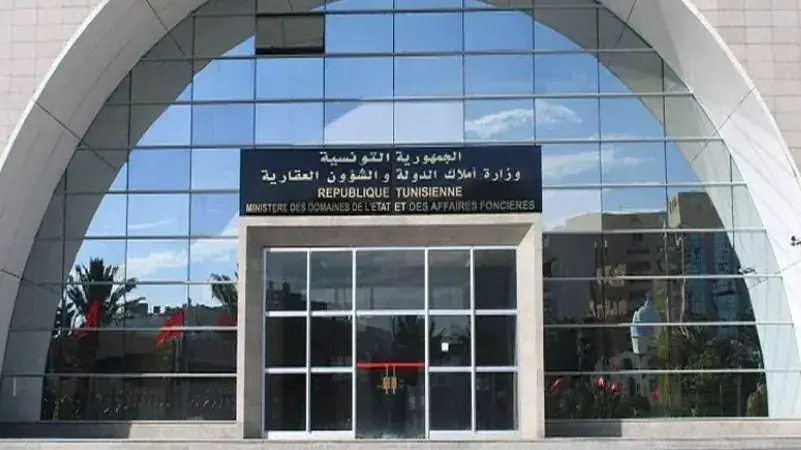
The Ministry of State Properties and Real Estate Affairs in Tunisia has announced the completion of an inventory and valuation of 11,271 state-owned properties across the country as of September 2026. This effort is part of a program aimed at cataloging and economically re-deploying state assets. The inventory includes 6,630 agricultural lands covering about 295,000 hectares.
The remaining properties, totaling 4,641, consist of buildings, administrative housing, and undeveloped lands. The Ministry noted that the exact number and area of unutilized properties suitable for deployment depend on the completion of inventory work, digital mapping of state agricultural lands, and the creation of a specific geographic portal as part of a related presidential project.
In terms of utilizing these properties, the Ministry announced the release of the first list of state-owned farms offered for lease through a competitive process on March 30, 2026. This list included 38 farms spanning approximately 17,000 hectares. The process resulted in the acceptance of 24 applications, with companies undergoing verification and lease agreements being signed.
The Ministry also continues to allocate portions of state agricultural lands to young farmers and unemployed individuals with higher education qualifications through fixed-term contracts and rental fees based on the price of hard wheat per quintal. This approach ensures that the state retains ownership of these lands.
The Ministry emphasized that the leasing of state properties primarily relies on public advertisement and auctions or request for proposals to ensure transparency, equal opportunities, and prevent speculation. The Ministry is working on drafting a new code for state properties to establish a unified and flexible legal framework that supports sustainable development.
This initiative aligns with efforts to optimize the use of state assets and integrate them into the economic cycle. By completing the inventory and implementing measures for the efficient use of these properties, the Ministry aims to enhance economic productivity and contribute to national development.
The Ministry's efforts reflect a broader strategy to manage state properties effectively, promote transparency, and foster economic growth. The implementation of these measures is expected to have a positive impact on Tunisia's economic landscape.
Key points
- The Tunisian Ministry of State Properties has inventoried and valued 11,271 state-owned properties.
- The inventory includes 6,630 agricultural lands covering approximately 295,000 hectares.
- The Ministry continues to lease state properties through transparent processes to ensure optimal utilization and economic benefits.
Reporting sources
- Établissement de la Radiodiffusion-Télévision Tunisienne · Établissement de la Radiodiffusion-Télévision Tunisienne