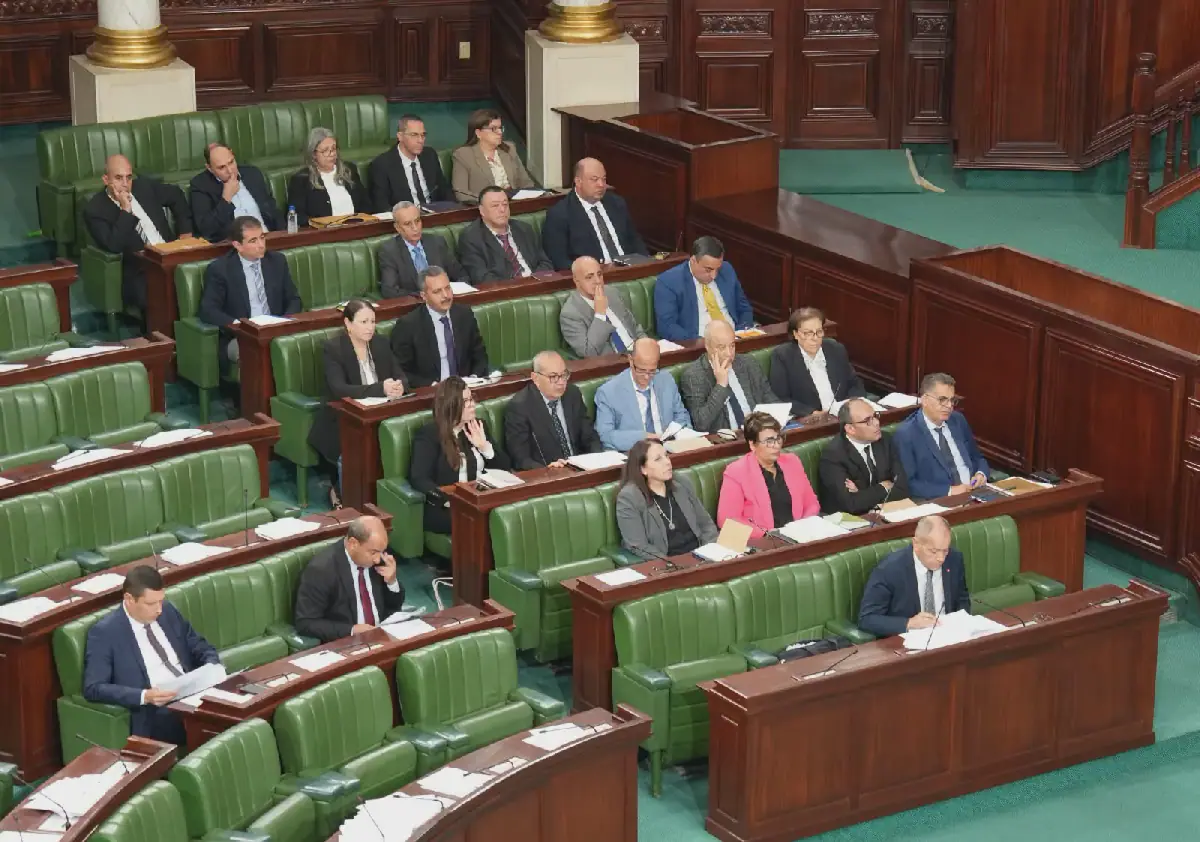
Tunisia's Ministry of Environment is working to improve the country's waste management system by transitioning from traditional disposal methods to waste valorization. This involves reducing the amount of waste sent to landfills and promoting the production of energy and alternative fuels. The goal is to minimize the environmental and health impacts associated with waste disposal. According to Environment Minister Habib Abid, the ministry is committed to implementing this transition in a way that respects sanitary and environmental requirements.
The ministry plans to transform existing landfill sites into valorization centers, with several regions already adopting this approach. For example, the Béja center has shifted towards valorization, while the Sousse center is producing electricity from waste, and the Djerba center is now operational. These successful experiments will be extended to other regions, with the Agareb landfill in Sfax set to be the first site to undergo closure and rehabilitation under the new approach.
The ministry is also focusing on managing industrial waste, with a project underway in Jeradou, Zaghouan, to develop a dedicated management system. Additionally, hospitals will soon be equipped with medical waste treatment devices as part of a program to be implemented in coordination with the Health Ministry. This initiative aims to mitigate the environmental and health risks associated with medical waste.
In terms of construction and demolition waste, the ministry has made significant progress, collecting over 53,000 tons of these materials in nine governorates during the current year. This achievement demonstrates the ministry's commitment to addressing the challenges posed by construction and demolition waste.
To facilitate the use of alternative fuels in cement plants, the ministry is working on a draft decree that will regulate the production and transportation of fuels made from non-hazardous waste. This move is expected to promote the use of waste-derived fuels and reduce the country's reliance on traditional energy sources.
The ministry is also exploring ways to utilize organic waste, such as food waste, for energy production. Other types of waste can be converted into alternative fuels or used in agriculture. By adopting a more circular approach to waste management, Tunisia aims to reduce its environmental footprint and promote sustainable economic growth.
The transition to waste valorization is part of a broader effort to modernize Tunisia's waste management system and address the country's environmental challenges. With the implementation of these new approaches, Tunisia is expected to make significant strides in reducing waste, promoting sustainable development, and improving the quality of life for its citizens.
Key points
- The Ministry of Environment aims to reduce the amount of waste sent to landfills and promote the production of energy and alternative fuels.