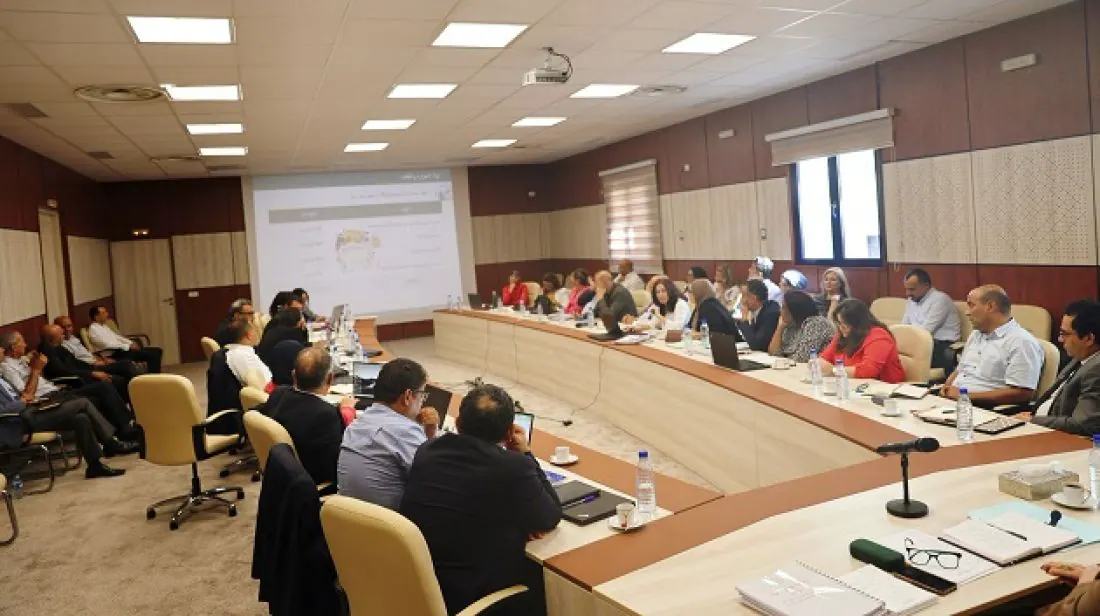
On October 1, 2026, Tunisia's Minister of Cultural Affairs, Amira Sarraf, led an expanded working session to outline priorities for the upcoming period. The session involved directors and general directors from various structures and institutions under the ministry. According to a ministry statement, the meeting aimed to build on presentations made by these officials. The discussions focused on setting strategic objectives based on the current status and future goals of the ministry.
Minister Sarraf emphasized the need to transition from diagnosing issues and monitoring files to implementing concrete actions and measuring tangible results. She highlighted the importance of focusing on programs that directly impact the cultural landscape and citizens. The minister also stressed the necessity of addressing structural and logistical challenges within a defined timeline and with clear responsibilities. This approach aims to enhance the effectiveness and efficiency of the ministry's initiatives.
The working session resulted in several key recommendations. One major point was the development of translation programs targeting young audiences. The ministry plans to support translation workshops for children, enriching translated content and providing works suitable for this age group. This initiative seeks to promote linguistic and cultural diversity among young Tunisians. By investing in this area, the ministry aims to foster a more inclusive and culturally aware society.
Another significant recommendation was the expansion of cultural and tourist pathways. The ministry intends to integrate archaeological sites, historical locations, and palaces into comprehensive cultural and tourism circuits. This strategy aims to enhance Tunisia's cultural heritage and incorporate it effectively into the economic and cultural spheres. By doing so, the ministry hopes to boost tourism and promote economic growth.
The ministry also emphasized the importance of enhancing collaboration among various structures under its supervision. Plans include establishing joint sectoral projects that rely on coordinated efforts to ensure effective implementation. This integrated approach seeks to maximize the impact of cultural initiatives and optimize resource allocation. By working together, different entities can pool their expertise and resources to achieve common goals.
Furthermore, the ministry aims to develop a national reference document for cultural indicators. This involves collecting accurate and updated statistical data on festivals and events from various structures and institutions. The goal is to create a comprehensive database that allows for precise measurement of the developmental and economic impact of cultural activities. This data will inform future policy decisions and help evaluate the effectiveness of cultural programs.
The ministry has also announced plans to schedule festivals and events well in advance. By setting a fixed calendar for national and regional festivals, the ministry aims to alleviate pressure on deadlines and ensure better logistical and technical coordination among all stakeholders. Additionally, the ministry will focus on revitalizing art spaces in regions across Tunisia, providing platforms for artistic works and supporting creative endeavors nationwide.
Key points
- The Ministry of Cultural Affairs in Tunisia has set priorities for the upcoming period, focusing on strategic objectives such as developing translation programs for young audiences and expanding cultural and tourist pathways.
- The ministry aims to enhance collaboration among various structures under its supervision and develop a national reference document for cultural indicators to measure the impact of cultural activities.
- By scheduling festivals and events in advance and revitalizing art spaces, the ministry seeks to promote cultural development and economic growth in Tunisia.